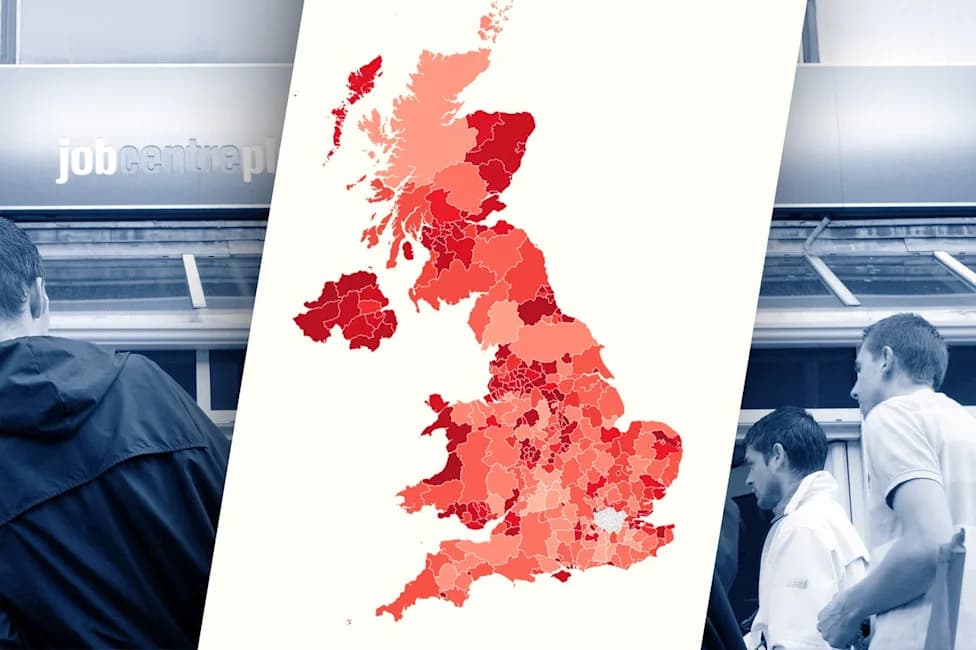
Sefton Council moved in 2019 to offer personalised, one-to-one careers support to under-16s via Career Connect, using school and local data to identify those at risk of becoming NEET. The initiative — which includes home visits, college open days and vocational placements — has helped about 5,000 under-16s and pushed Sefton’s 16–17 NEET rate down to 3.8%, roughly half its 2019 level. A Leeds pilot is extending early intervention to Year 8 pupils, and national experts warn the UK still faces a broader NEET challenge driven by education gaps, mental-health issues and labour-market weakness.
How Sefton’s Early Careers Support Is Cutting Youth NEETs — A Model for the UK

[Getty Images]
Sefton Council in Merseyside has dramatically reduced the number of young people becoming NEET (not in education, employment or training) by intervening earlier with personalised careers support. The council began offering one-to-one help to under-16s in 2019 through the charity Career Connect, and the results show a clear benefit for vulnerable young people and for the wider community.
Personal Help Changed One Teenager’s Path
Sixteen-year-old Chloe, who lives in Sefton and has severe anxiety, left school at 14 and was being educated at home. As her anxiety grew, she became increasingly reluctant to leave the house and uncertain about what to do next. Local services identified her as at risk of becoming NEET and arranged early support.
'I was only doing my maths and English at home; I wasn't going out of the house or anything, I was just doing that,' Chloe says. With the help of her careers adviser, Kate Timmins, Chloe attended college open days, secured a place on a vocational childcare course and gradually rebuilt her confidence to travel independently.
Chloe’s mother, Danielle, says the change has been striking: 'She's gone from being stuck in her bedroom all day to now getting up and going to college every day. She's got more confidence now.'
How the Sefton Model Works
Before 2019 Sefton offered careers support only to those aged 16 and over. Changing tack, the council now proactively uses school and local-service data to identify children at risk — including those with poor attendance, SEND, experience of the care system, involvement with youth justice, or who are home-educated. Career Connect advisers often make multiple home visits, build trusted relationships and provide tailored steps such as college visits, vocational placements and travel coaching.
Since 2019 Career Connect has worked with roughly 5,000 under-16s in Sefton. Today nearly a third (31%) of the council’s career support interventions are with under-16s. In the latest available figures for March, just 3.8% of 16- to 17-year-olds in Sefton were NEET — roughly half the rate recorded when the programme began.
Expanding Prevention: A Leeds Pilot
Recognising that risk often appears well before age 16, the Cockburn Multi-Academy Trust in Leeds has introduced a preventative pilot in partnership with the Ahead Partnership that targets Year 8 pupils (age 12–13). Around 60 pupils with low attendance, special educational needs or other risk factors will visit local employers, take employability workshops, and receive one-to-one support every half-term for four years. After three months, 58% of participating pupils had improved their school attendance.
Why Early Intervention Matters
Nationally, the NEET rate in the UK is high relative to other European countries. A major review by former minister Alan Milburn warns of a potential 'lost generation' unless urgent action is taken to support more than one million 16–24-year-olds currently out of work and education. Experts at the Resolution Foundation point to weaknesses in the education system — especially poor non-university routes into work — combined with a weaker labour market and rising mental-health problems as key drivers of the long-running problem.
Nye Cominetti of the Resolution Foundation says the UK's NEET crisis has been 'decades in the making' and that improving vocational pathways is essential. Education Secretary Bridget Phillipson has urged a broader response: schools must play a central role but cannot be expected to solve the issue alone. The government has committed to expanding vocational options, including T-levels and new V-levels, and reforming apprenticeships to better serve younger people.
Conclusion
Sefton's experience suggests targeted, relational careers support offered well before age 16 can reduce the likelihood that vulnerable teenagers slip out of education and work. The combination of data-driven identification, home outreach and sustained one-to-one guidance appears to be an effective way to restore confidence and create concrete next steps — a model worth testing and scaling elsewhere in the UK.
Help us improve.