Jakarta has begun a citywide effort to remove invasive suckermouth catfish — locally known as "sapu-sapu" or "janitor fish" — that thrive in polluted, slow-moving waters. Crews and volunteers pulled about 705 pounds from a 19-foot reservoir during a mid-April operation as part of a campaign targeting at least 10 tons. Officials plan to process the catch into animal feed or fertilizer due to contamination concerns, while scientists stress that river rehabilitation is essential for a lasting solution.
Jakarta Pulls Tons of Invasive 'Janitor Fish' From Waterways — City Aims for 10-Ton Cleanup
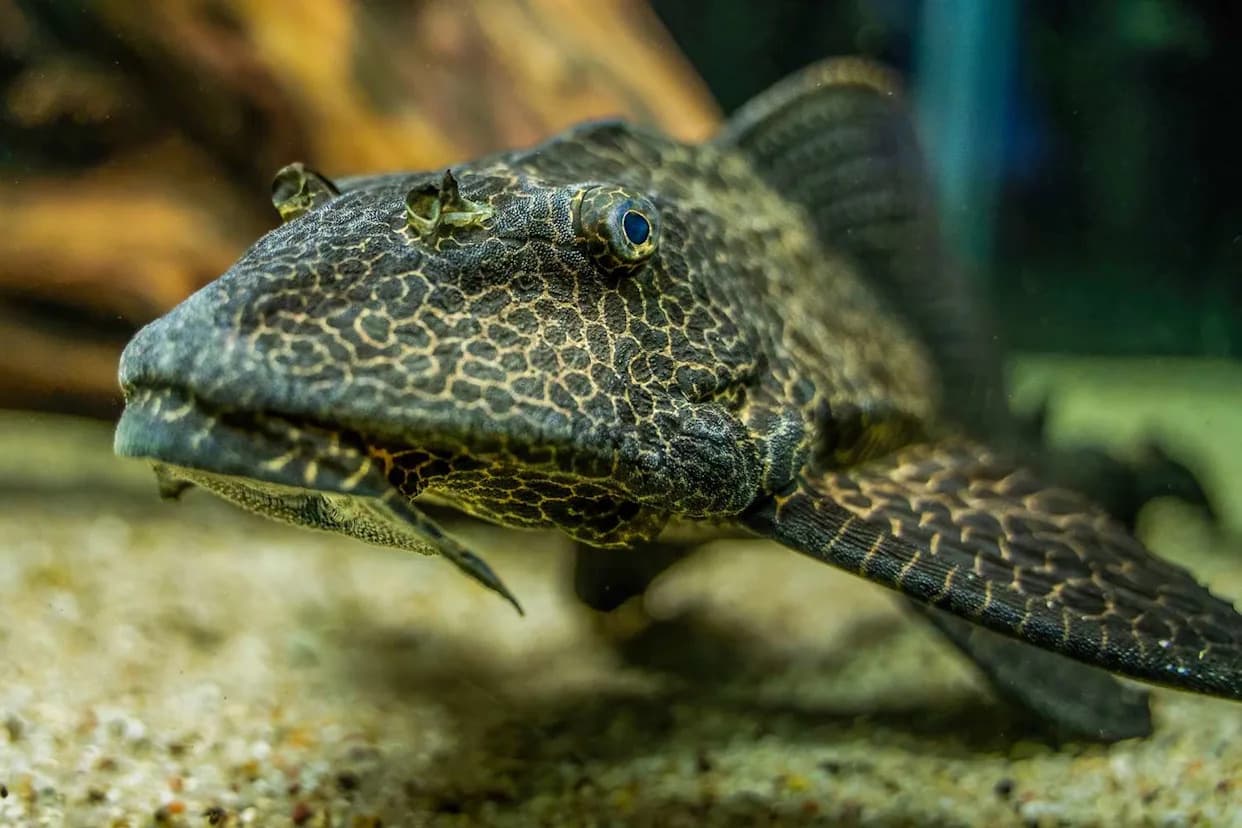
Pterygoplichthys gibbiceps is a species of armored catfishCredit: Getty
Jakarta launched a high-profile campaign to remove invasive suckermouth catfish — widely known locally as "sapu-sapu" or "janitor fish" — that have taken hold in the capital’s polluted rivers, canals and reservoirs. Crews, firefighters and environmental volunteers drew large crowds as they hauled nets of the hardy fish from an East Jakarta reservoir.
What Happened
During a mid-April operation in a 19-foot-deep reservoir in the Ciracas neighborhood, teams collected roughly 705 pounds (about 320 kg) of janitor fish in a single afternoon. That haul is part of a broader city target to remove at least 10 tons from Jakarta’s waterways, after previous rounds of collection reportedly reached multiple tons.
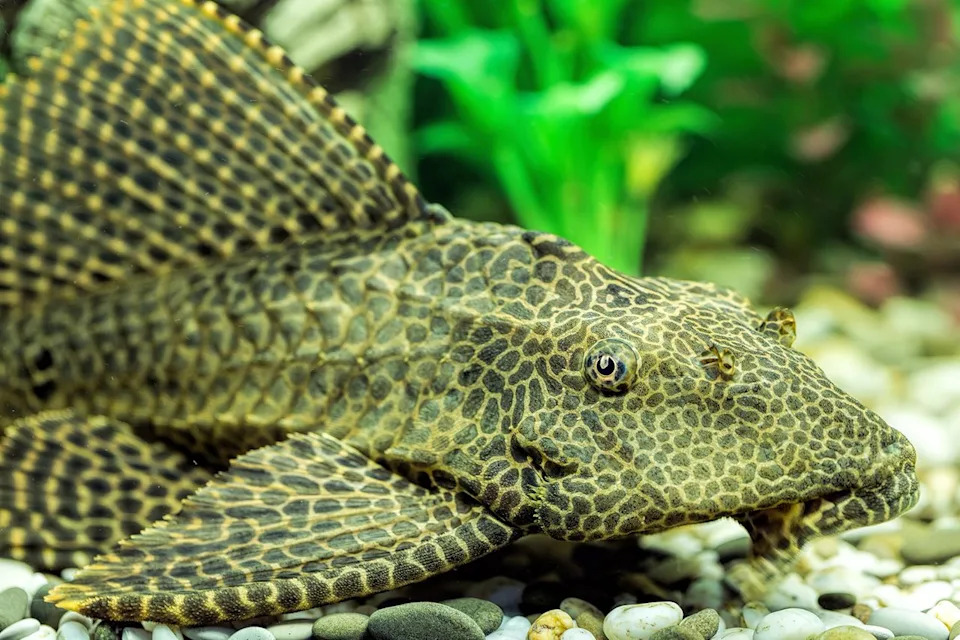
Brocade catfish Pterygoplichthys closeupCredit: Getty
Why the Fish Are a Problem
Originally imported from South America decades ago to control aquarium algae, the suckermouth catfish have flourished in Jakarta’s warm, slow-moving and polluted waters. The species can grow to nearly 20 inches (about 50 cm) and live up to 15 years.
"The adaptability of janitor fish is very high, so that even in polluted conditions, it can survive when other species can't," said Dian Rosleine, an ecologist at the Bandung Institute of Technology, calling the fish biological indicators of poor water quality.
Officials warn the invasive fish compete with and prey on native species, contribute to erosion and destabilize embankment walls — compounding environmental and infrastructure problems along rivers such as the Ciliwung.
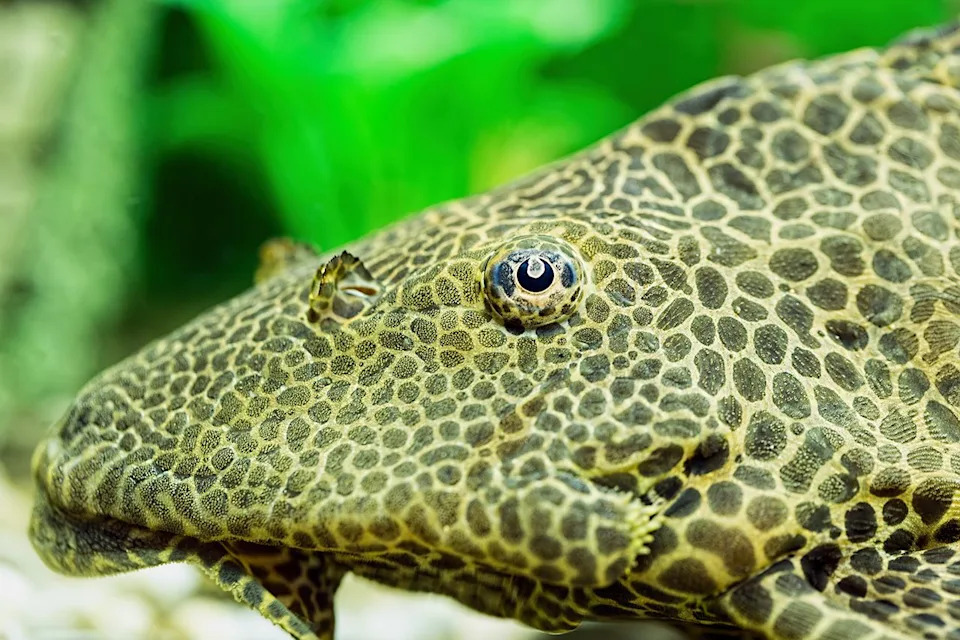
Brocade catfish Pterygoplichthys closeupCredit: Getty
Responses, Controversy and Reuse Plans
The removal campaign has involved first responders, municipal workers and volunteers and has attracted public attention. The program has drawn controversy after reports that some fish were buried alive; Indonesia’s Ulema Council raised animal welfare concerns. Jakarta’s governor has since pledged that all fish will be confirmed dead before burial.
Health officials also cite concerns about heavy-metal contamination in urban waterways, ruling out human consumption for the time being. Authorities are exploring safer reuse options, including processing the harvested fish into animal feed or fertilizer after appropriate testing and treatment.
Longer-Term Solutions Needed
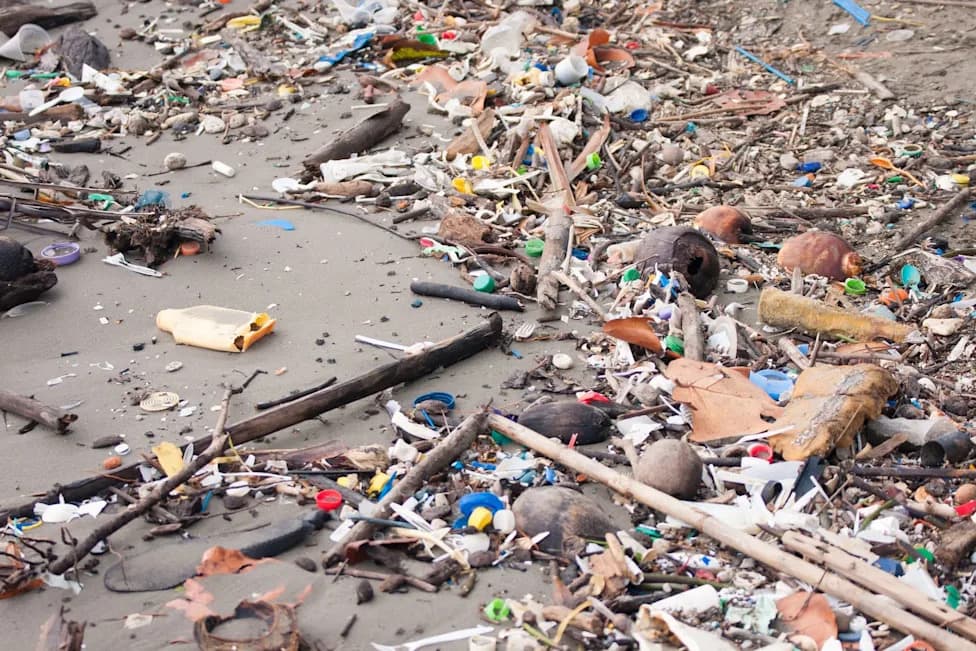
Scientists emphasize that removal alone will not solve Jakarta’s aquatic problems. The Ciliwung River and other waterways remain burdened by untreated household waste and industrial runoff. In dry months, warmer, slower water further favors invasive species over native fauna.
"The Ciliwung River requires rehabilitation — that is the major challenge that must be addressed," Rosleine warned. "Removing invasive fish tackles a symptom but not the root causes."
Jakarta officials describe the recent operations as the start of a sustained effort combining removal with longer-term river rehabilitation plans, public outreach and pollution control measures.
Help us improve.