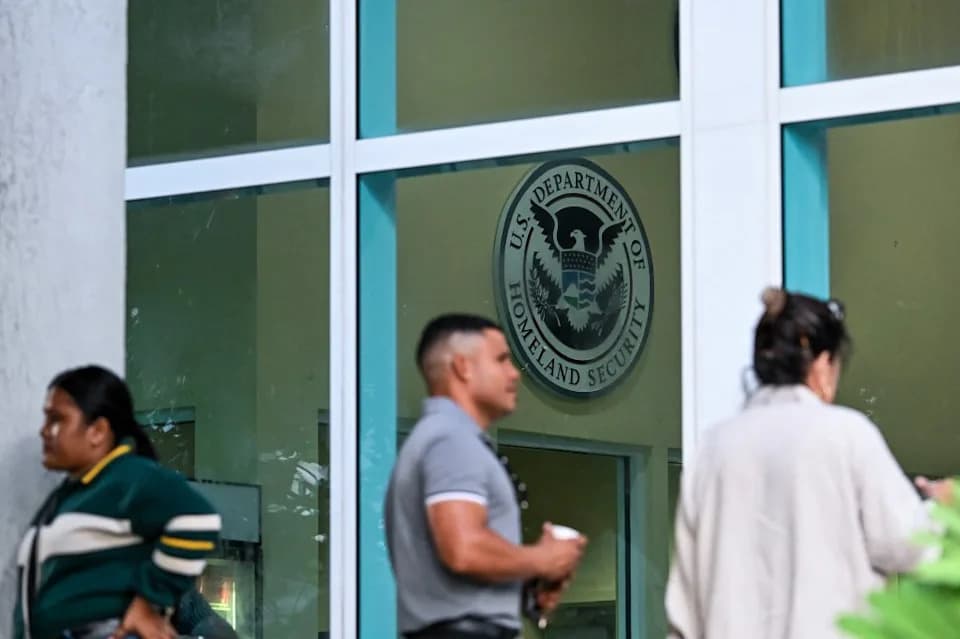
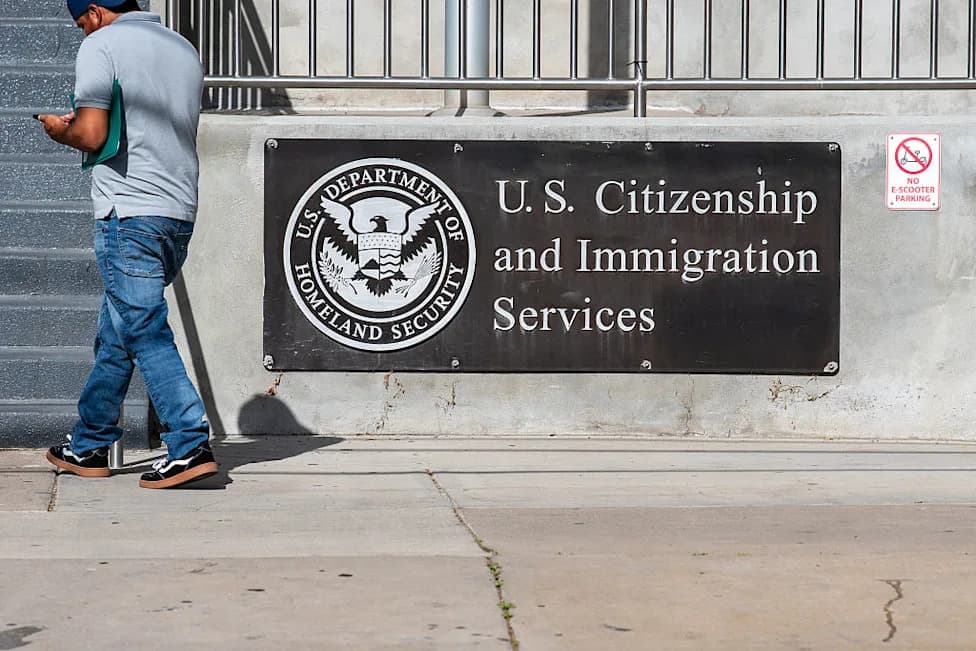
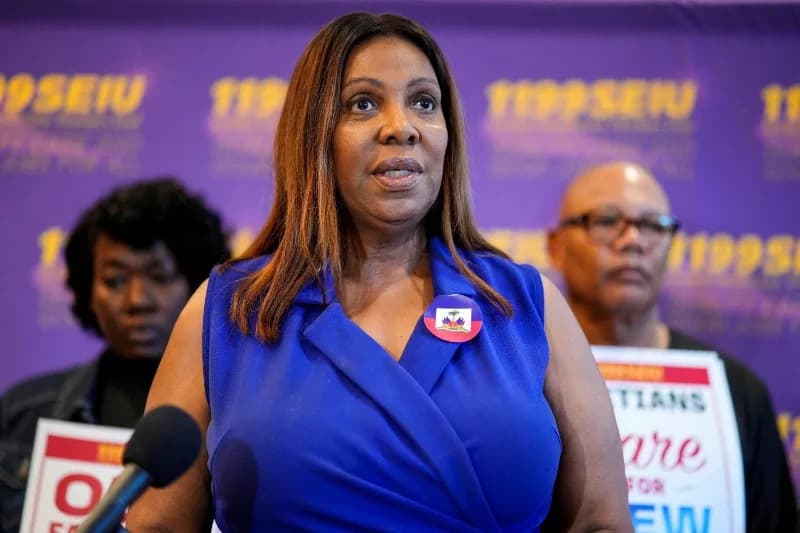
USCIS issued guidance directing most green card applicants to begin processing abroad except in "extraordinary" circumstances. The memo's text — including footnote 20 — suggests H-1B and L-1 visa holders are not categorically exempt, despite later administration comments that created confusion. Immigration lawyers expect lawsuits and say enforcement discretion will determine the policy's real-world impact.
Trump Administration Tightens Green Card Rules — H-1B/L-1 Exemption Remains Unclear
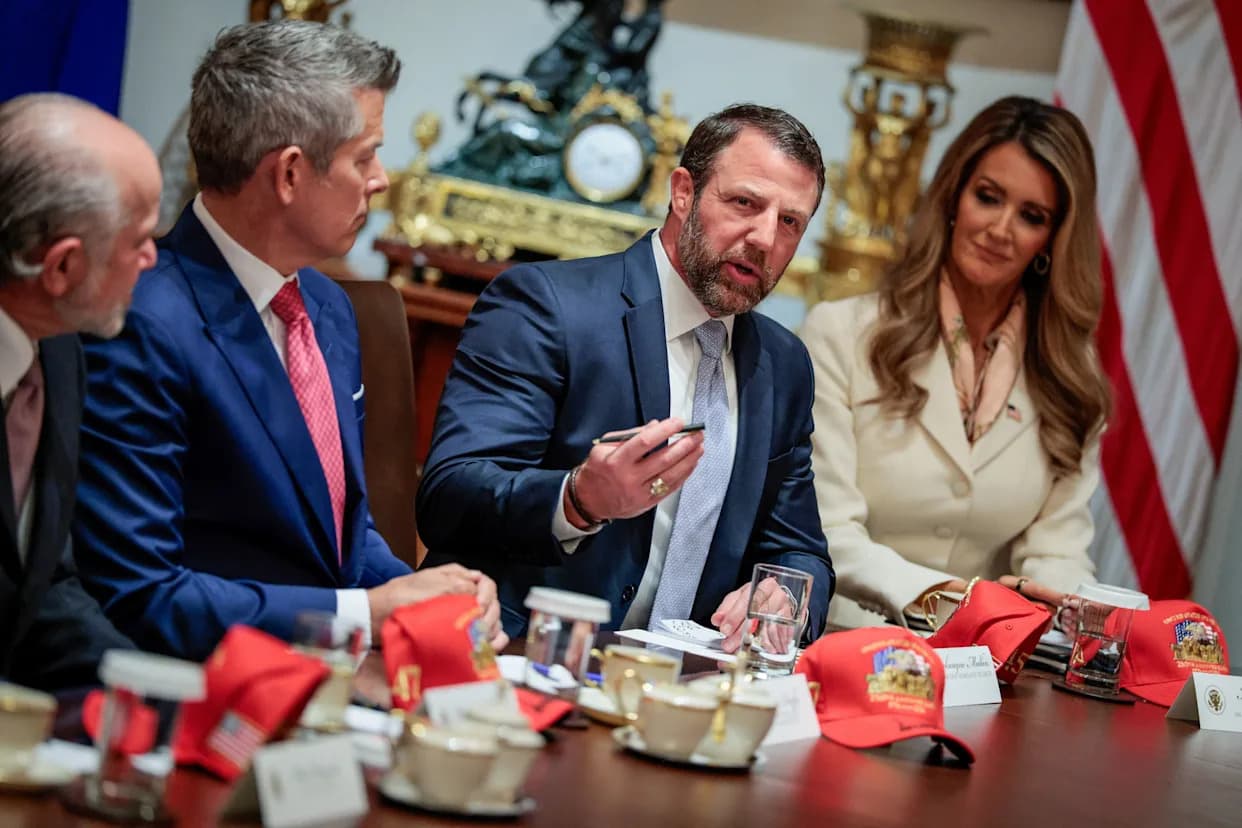
The U.S. Citizenship and Immigration Services (USCIS) has issued new guidance directing most green card applicants to begin their immigrant visa process overseas, except in "extraordinary" circumstances. The change, announced last week, has unsettled major technology firms and other employers that rely on nonimmigrant visas to hire skilled foreign workers.
The memo instructs USCIS officers to favor consular processing abroad for adjustment of status in nearly all but exceptional cases. After the announcement, administration officials suggested H-1B and L-1 visa holders might be spared, but the text of the memorandum — including a notable footnote — creates significant ambiguity about who will be affected in practice.
USCIS Framing And Official Statement
A USCIS official described the guidance as "a tool to address fraud and abuse which exist in our immigration system," and added that the policy "will have no noticeable impact on highly qualified applicants and skilled professionals who have followed the law. These aliens benefit the national interest and provide economic benefits to the United States and will continue to merit the favorable exercise of discretion."
Legal Community Reaction
Many immigration attorneys are skeptical of that reassurance after reviewing the memo's language. They point to the guidance's broad discretionary standard and to footnote 20 — which explicitly cautions that "dual intent" (the doctrine under which H-1B and L-1 holders can seek permanent residence) does not automatically protect applicants from negative discretionary findings.
Charles Kuck, an immigration lawyer, said he expects the administration is unlikely to broadly target highly skilled workers: "I think they’re fine, generally speaking. When they initially put it out Friday morning, they made it seem like, 'Oh my god, nobody can adjust status.' And then they literally walked it back on Friday night a little bit. … I think for the most part, H-1Bs and L-1s are probably OK."
Jeff Joseph, president of the American Immigration Lawyers Association, cautioned that applicants should not assume H-1B holders are exempt: "The memo itself, in footnote 20, says the opposite. It says do not assume that dual intent will shelter you from any sort of negative discretionary factors. So the memo itself says Hs and Ls are not exempt."
David Bier of the Cato Institute added: "The memo says what the memo says, which is that it’s an extraordinarily unusual person who should be allowed to adjust their status in the United States. That’s what it says. ... The press release announcing the memo used much stronger language than the memo itself, and so there are two ways to read that."
What Comes Next
Observers say the directive is part of a broader push by the Trump administration to restrict legal immigration. Several advocacy groups and law firms are already preparing lawsuits challenging the policy, and questions remain about how strictly USCIS adjudicators will apply the new guidance in the absence of implementing regulations or detailed enforcement guidance.
Media outlets have reported related developments: The New York Times framed the directive as one piece of a larger strategy to limit migration, and The Washington Post reported that some applicants already have been asked why they did not leave the United States to seek permanent status overseas.
Bottom line: The memo tightens the default rule toward consular processing and raises uncertainty for employers and workers. Whether H-1B and L-1 holders will be broadly affected depends on how USCIS implements the directive and how courts respond to legal challenges.
Help us improve.