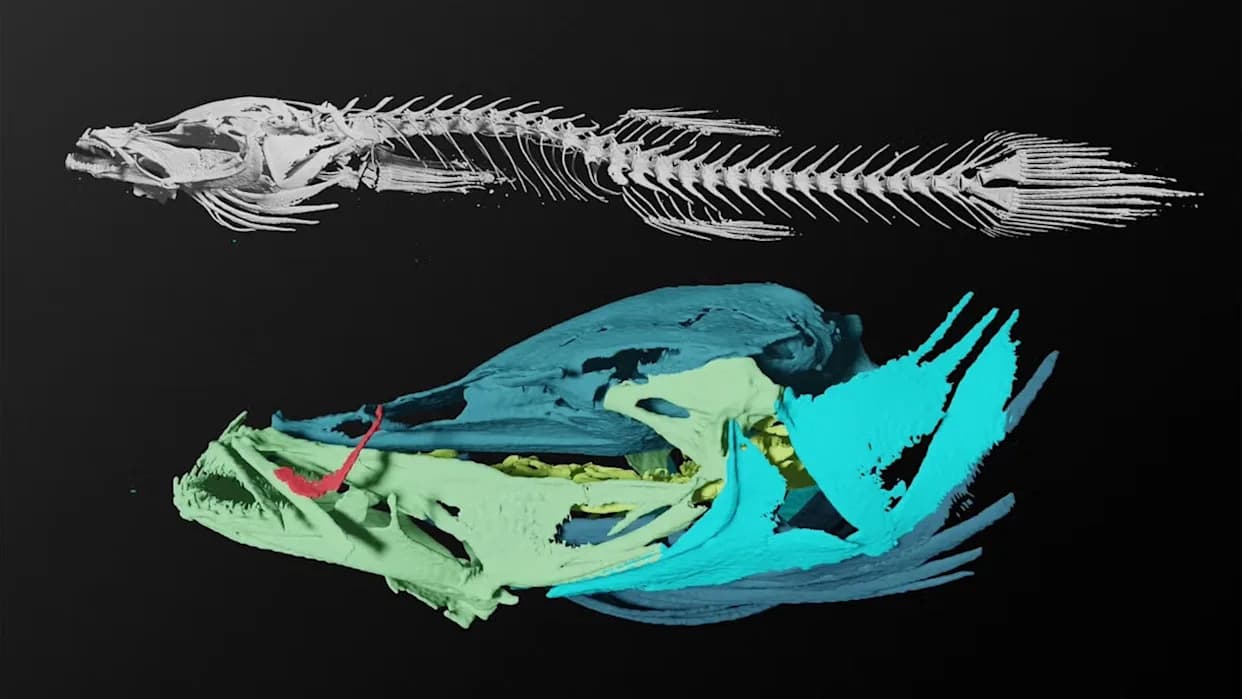
A Yale-led team has described a previously unknown eyeless Southern cavefish that lives entirely underground in the southeastern United States, challenging the long-held belief that caves are evolutionary dead ends.
Details of the Discovery
The study, published in Integrative Organismal Biology, documents a troglomorphic—cave-adapted—fish that displays classic traits shaped by life in perpetual darkness. Found in isolated subterranean waterways, the species lacks eyes and shows other morphological adaptations typical of long-term cave dwellers.
Why This Matters
The researchers report evidence that speciation can occur in fully subterranean habitats, suggesting that hidden groundwater networks may still generate biodiversity despite extreme conditions of low light, limited food, and minimal surface connectivity. This shifts the picture of caves from passive refuges for ancient lineages to active, ongoing engines of evolution.
Conservation and Human Connections
Cave systems are intimately linked to groundwater and aquifers that supply drinking water, support agriculture, and underpin local economies. Because cave-restricted species are highly specialized and sensitive, they can serve as early indicators of declining water quality or disrupted underground flow—problems that also affect human communities.
Scientific and Management Implications
Improved tools for detecting "cryptic" species—organisms that appear similar but are genetically distinct—mean that a single presumed widespread population can be reclassified as several smaller, more vulnerable populations. That reclassification can quickly change conservation priorities, land-use decisions, and water-management strategies.
Bottom line: The discovery demonstrates that subterranean ecosystems are more dynamic than once thought, and it strengthens the case for protecting groundwater and the little-known species that depend on it.