Researchers have named a newly identified mosasaur species from northern Texas Tylosaurus rex, estimating it at up to 43 feet long. The reassessment, led by Amelia Zietlow and colleagues, is based on fossils that differ from T. proriger in size, age, context and dental anatomy — notably finely serrated teeth. Several museum specimens are being reassigned, and the team released a revised evolutionary dataset to guide future reexaminations. The discovery highlights the continuing value of revisiting older fossil collections.
Tylosaurus rex: Scientists Name a New 43‑Foot Mosasaur From Texas
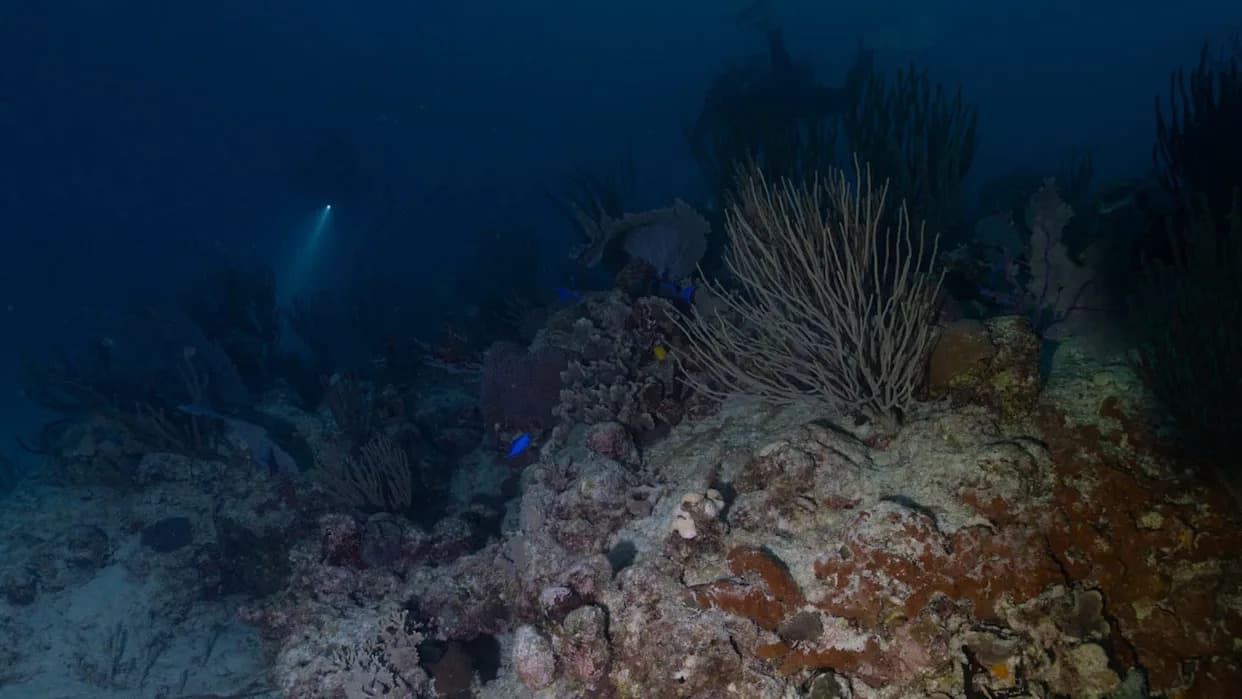
Photo Credit: iStock
Paleontologists have identified a giant marine predator from prehistoric Texas as a new species and given it the dramatic name Tylosaurus rex — an oceanic twist on the familiar "T. rex" shorthand. Estimated at up to 43 feet long, this mosasaur ranks among the largest of its kind and appears to have been adapted for exceptional power and aggression in Cretaceous seas.
Researchers from the American Museum of Natural History, the Perot Museum of Nature and Science in Dallas, and Southern Methodist University described the species based primarily on fossils recovered in northern Texas. Their study was published in the Bulletin of the American Museum of Natural History and summarized in ScienceDaily.
How the Species Was Identified
Lead author Amelia Zietlow reexamined museum material after suspecting that a Texas specimen had been misidentified as Tylosaurus proriger. By comparing the Texas fossils directly with Harvard's original T. proriger specimen, the team concluded the remains represent a distinct species based on differences in size, geological context, age and dental anatomy.
Distinctive Anatomy
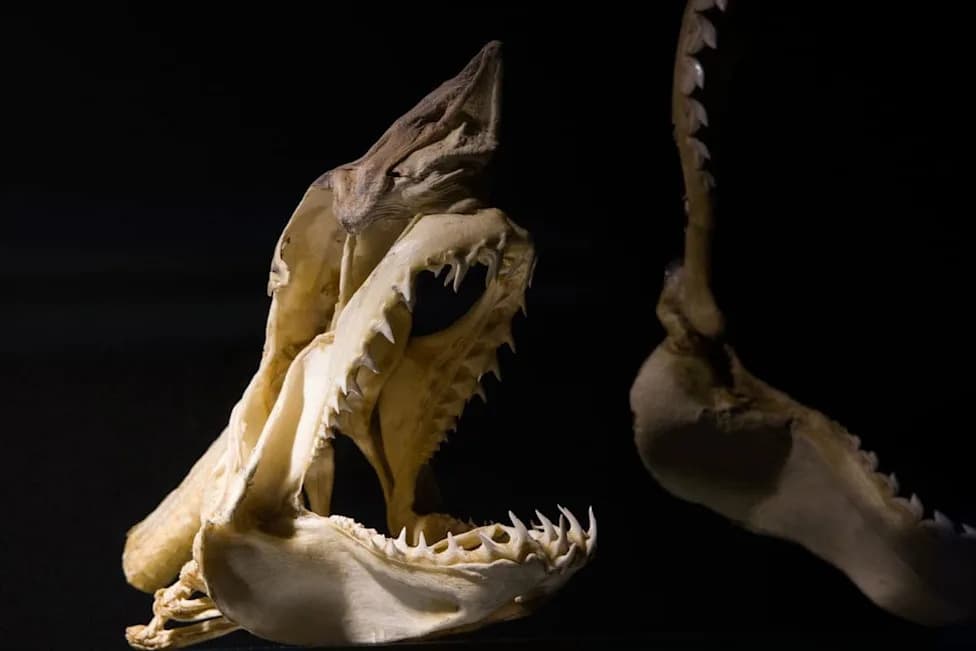
The Texas mosasaur displays finely serrated teeth — a rare trait among mosasaurs — along with robust jaw and neck adaptations consistent with strong bite force and prey-handling capabilities. These features suggest the animal was built for brute strength rather than speed or suction feeding.
Specimens and Evidence of Conflict
Several long-held specimens labeled as T. proriger are being reassigned to Tylosaurus rex, including museum favorites nicknamed "Bunker" (University of Kansas) and "Sophie" (Yale Peabody Museum). One specimen, dubbed "The Black Knight," preserves injuries — a missing snout tip and a fractured lower jaw — that researchers interpret as wounds likely inflicted during violent encounters with other tylosaurs.
Broader Implications
Alongside the new species description, the research team produced a revised dataset and evolutionary framework for tylosaurs. This updated framework will help paleontologists revisit older analyses and reexamine museum collections, increasing the chance of uncovering additional misidentified or overlooked species.
The species name also honors paleontologist John Thurmond, who in the late 1960s informally referred to giant Texas tylosaurs as "sea tyrants." The discovery highlights the scientific value of regional fossil collections: specimens unearthed decades ago can yield major new insights when reassessed with fresh comparisons and questions.
"Everything is bigger in Texas and that includes the mosasaurs, apparently," said lead author Amelia Zietlow. Co-author Ron Tykoski added, "Besides being huge, roughly twice the length of the largest great white sharks, T. rex appeared to be a much meaner animal than other mosasaurs."
Museum visitors may see exhibit labels and interpretive materials updated as institutions incorporate the revised classification. The find underscores how careful reexamination of existing collections continues to reshape our understanding of ancient ecosystems.
Help us improve.