Analysis of nearly 12,000 koala rescue and mortality records from New South Wales (2000–2022) shows that sustained, moderately hot conditions raise the risk of koala admissions and deaths. A seven-day average maximum of about 27°C marks a rise in risk, and at 30°C or above the odds of admission or death are 1.5–3.5 times higher than near 25°C. Koalas use behavioural and physiological strategies to cope, but their sedentary, eucalyptus-dependent lifestyle, habitat fragmentation and diseases like chlamydiosis increase vulnerability. Protecting shade, ensuring water access and preserving habitat corridors are recommended to reduce heat-related harm.
Moderate Heatwaves Threaten Koalas — Risk Rises Once Seven‑Day Maxes Hit 27°C
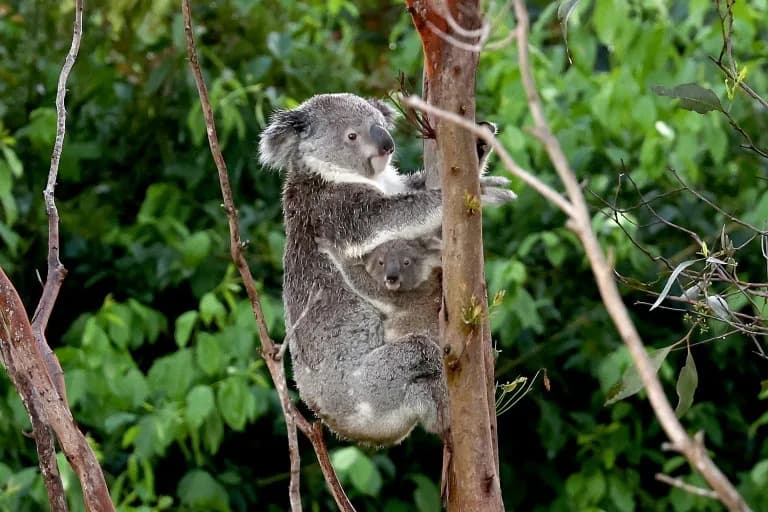
Researchers found the odds of adult koalas being admitted into care or dying in the Australian state of NSW rose when average maximum temperatures over a 7-day period reached 27C (DAVID GRAY)(DAVID GRAY/AFP/AFP)
Koalas, iconic residents of the Australian bush, are more fragile to sustained warm weather than previously appreciated. A new study published in Biology Letters shows that prolonged periods of even moderately high temperatures substantially increase the risk of koala admissions to care and heat-related deaths.
Researchers analysed almost 12,000 rescue and mortality records from New South Wales collected between 2000 and 2022 and adapted statistical methods commonly used to study heat-related human health risks. They found a clear link between seven-day average maximum temperatures and koala outcomes: when the seven-day average reached about 27°C, admissions and mortality began to rise, and at 30°C or above the odds of admission or death were 1.5 to 3.5 times higher than under conditions near 25°C.
How Koalas Cope — And Why It Sometimes Fails
Koalas use behavioural strategies to reduce heat exposure, such as pressing against tree trunks to lose heat and moving into denser canopy or lower branches to avoid direct sunlight. Physiologically, they can reabsorb water in the colon, concentrate urine to conserve moisture, and allow wider swings in body temperature (heterothermy).
Despite these adaptations and the ability to withstand short spells above 40°C, the study’s lead author, Valentina Mella of the University of Sydney, notes that sustained periods of milder heat appear to markedly undermine koala health and survival. Prolonged heat exacerbates dehydration and can compound existing health issues such as chlamydiosis, increasing mortality risk.
Vulnerabilities and Conservation Implications
Koalas are particularly vulnerable because they are largely sedentary, specialised feeders that rely on eucalyptus leaves for much of their water. Habitat fragmentation can prevent individuals from reaching cooler refuges, intensifying exposure during heatwaves. The researchers warn that inland northwest populations, already endangered, face a significant threat from the rising frequency and intensity of hot days.
The study recommends practical mitigation measures: protect and restore large shade-producing trees, preserve habitat corridors so koalas can move to cooler areas, and provide access to water during heatwaves. Without proactive interventions, continued increases in extreme heat events could push some vulnerable populations closer to extinction.
Study Source: Analysis of nearly 12,000 koala admissions and mortality records from New South Wales (2000–2022); published in Biology Letters.
Help us improve.