New analysis finds ICE flight operations emitted an estimated 335,876 tonnes of CO2 in 2025 — an 88% increase from 2024. Early 2026 data (139,594 tonnes in Jan–Apr) indicate the agency is on pace for an additional rise. Advocates warn the ramp-up in long-distance removals worsens global warming, harms air quality in flight-hub communities and deepens the cycle between climate-driven migration and enforcement emissions.
Revealed: The Climate Toll of US Immigration Enforcement Flights — 335,876 Tonnes of CO2 in 2025
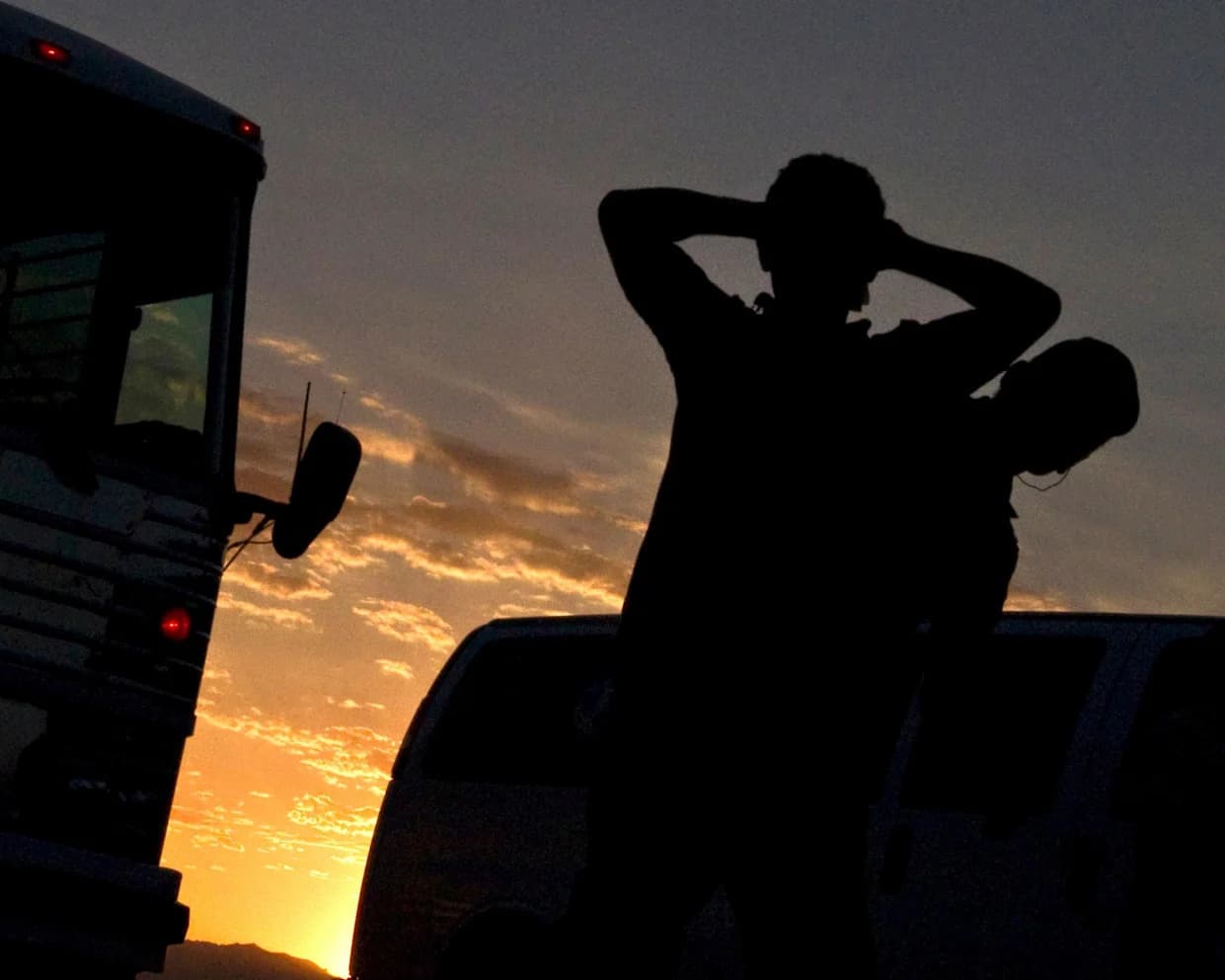
A migrant from El Salvador is put on a plane in Phoenix for deportation to his home country.Photograph: Matt York/AP(Photograph: Matt York/AP)
US immigration enforcement flights produced hundreds of thousands of tonnes of carbon dioxide in 2025 as officials transport large numbers of people to distant detention centers across the United States and deport them worldwide. New analyses from advocacy groups, verified by independent reporting, show a sharp rise in aviation emissions tied to an expansion in deportations and long-distance removals.
Key Findings
Estimated emissions: US Immigration and Customs Enforcement (ICE) air operations emitted about 335,876 tonnes of CO2 in 2025 (approximately 370,240 US tons) — an 88% increase from 2024. The first four months of 2026 produced 139,594 tonnes; if that pace continues it would represent nearly a 25% rise in annual emissions over 2025.
Scale and scope: Human Rights First (HRF) tracking and analysis indicates an average fleet of roughly 22 aircraft carrying out about 58 enforcement flights per day. Officials flew people to an expanded range of destinations — 79 countries during the first year of the current administration, up from 45 in the previous administration.
Human and Environmental Impact
These flights contribute to the global climate emergency — itself a driver of irregular migration — while worsening local air quality in communities that serve as flight hubs, such as Phoenix, El Paso, Harlingen and Alexandria. Local pollution from frequent idling, take-offs and landings is linked to respiratory illness, bronchitis and premature death.
"When we try to inflict suffering on immigrants, it inflicts a lot of suffering on them — it also inflicts suffering on ourselves, on everyone. The pollution that these flights cause is causing harms to every single family in the United States," said Brett Heinz, global policy coordinator at the American Friends Service Committee (AFSC).
Detention, Destinations and Procedure
The administration's enforcement campaign has coincided with dramatic increases in arrests, detentions and deportations. More than 60,000 people were detained as of early April, and over 70% of them had no criminal convictions. Reports show domestic transfers (moves between detention facilities or to DHS hubs) surged by at least 132% compared with the prior year, and removal flights reached a record 245 in a single recent month.
Advocates and researchers have raised concerns about due process and in-flight conditions, including routine shackling and the use of full-body restraint suits on long-haul flights. DHS has defended long-standing restraint policies as lawful and protective of detainees and staff.
How the Emissions Were Calculated
AFSC and HRF used HRF's flight-tracking records together with the International Civil Aviation Organization's (ICAO) emissions methodology to estimate aviation carbon outputs. The Guardian independently verified and extended those calculations to cover the opening months of 2026. The analysis covers chartered flights and, at times, military, Coast Guard or international-carrier movements used for enforcement.
Government Response and Funding
DHS responded to questions about emissions and human-rights concerns by defending enforcement practices and disputing the framing of environmental impacts. ICE's expanded air operations have been supported by a $205 million budget increase for air transportation.
Conclusion
The surge in enforcement flying is producing a tangible climate footprint while amplifying local air pollution and humanitarian harms. Advocates say the result is a vicious cycle: climate change drives migration, and intensified enforcement flights accelerate emissions that worsen climate impacts. Policymakers and the public face pressing questions about both the humanitarian and environmental costs of expanding deportation and transfer operations.
Help us improve.