An 80-million-year-old caudal vertebra found on Denman Island, British Columbia, is the strongest evidence yet that ostrich-like ornithomimosaurs lived on North America’s Pacific coast. CT scans and 3D comparisons with museum specimens show the bone most closely matches ornithomimosaur anatomy and is likely the tenth tail vertebra of a two‑legged individual. Researchers propose the bone reached the island via a floating carcass, wave action, turbidity currents or scavengers. More fossils are needed to determine how this animal compares to other North American ornithomimosaurs.
80-Million-Year-Old 'Ostrich-Like' Dinosaur Tail Bone Discovered Off Canada's Pacific Coast
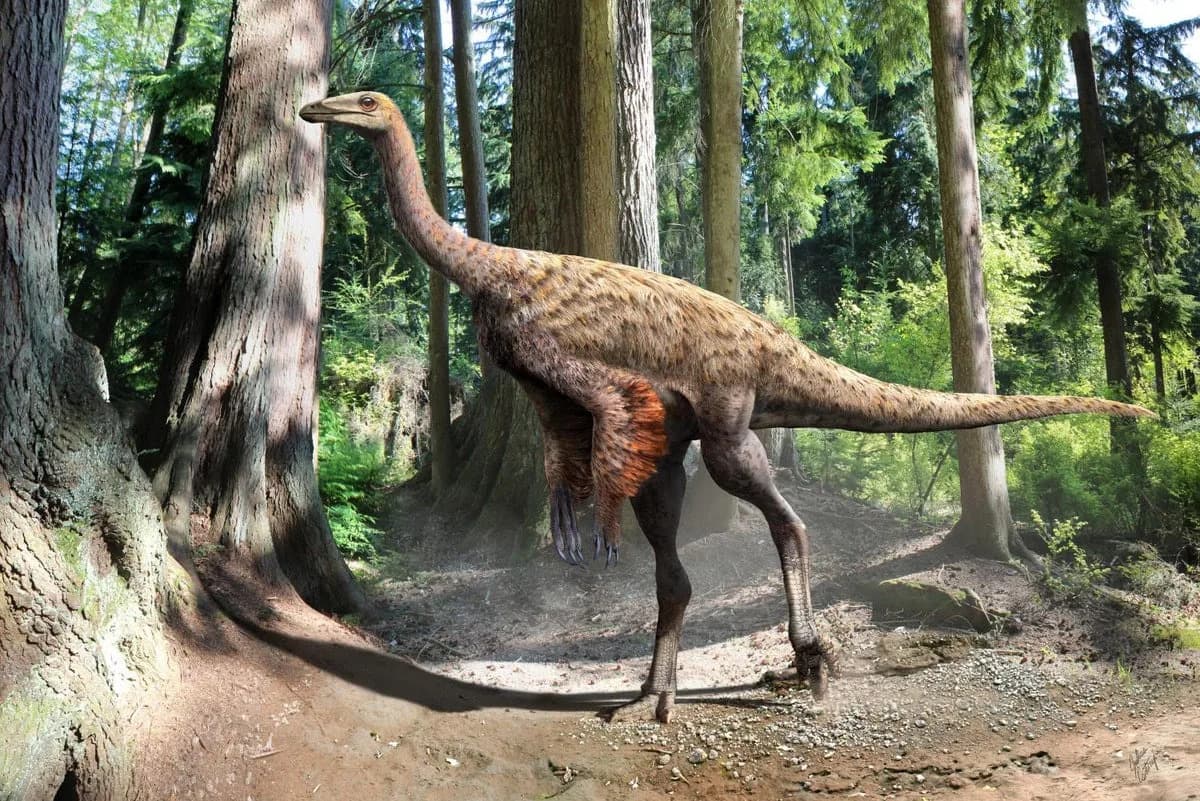
Tail belonging to strange ostrich-like dinosaur discovered off coast of Canada
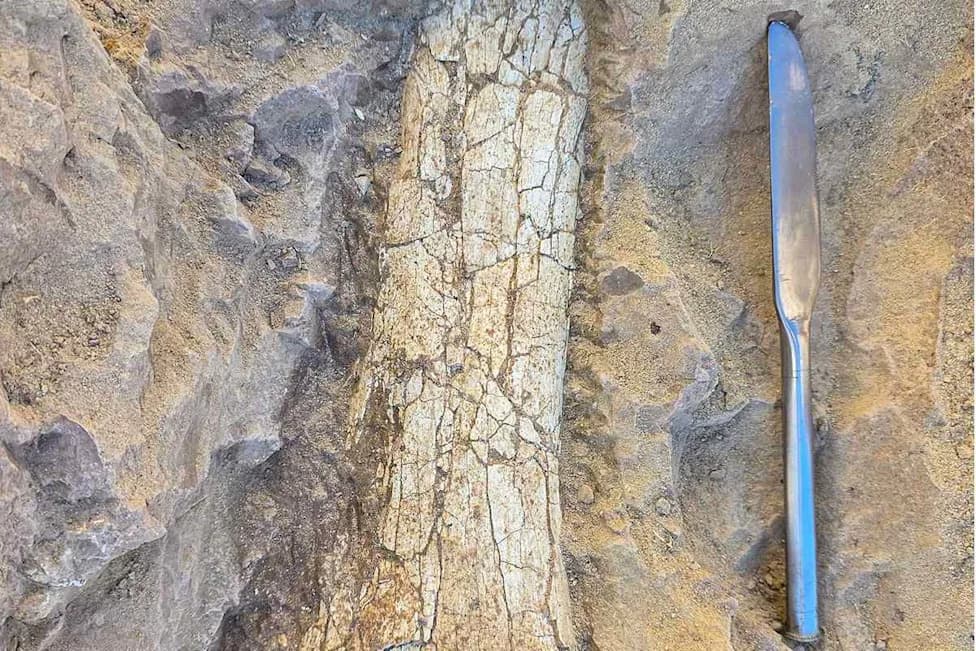
An 80-million-year-old tail bone recovered from Denman Island, British Columbia, offers the clearest evidence yet that ostrich-like dinosaurs once inhabited North America’s Pacific shoreline, researchers say.
The fossil is an isolated caudal vertebra — a tail bone — that researchers identified as belonging to an indeterminate ornithomimosaur, a group of fast-running, bird-like theropods that lived during the Cretaceous period (about 145–66 million years ago). Ornithomimosaurs had small heads, slender bodies, toothless beaks and long legs and necks, earning them comparisons to modern ostriches.
How the Identification Was Made
Because the specimen was fragmentary, the team initially could not assign it to a specific species. They used CT scans to build a detailed 3D model of the bone and compared its shape and internal structure with tail vertebrae from complete ornithomimosaur and tyrannosaur skeletons housed in museums.
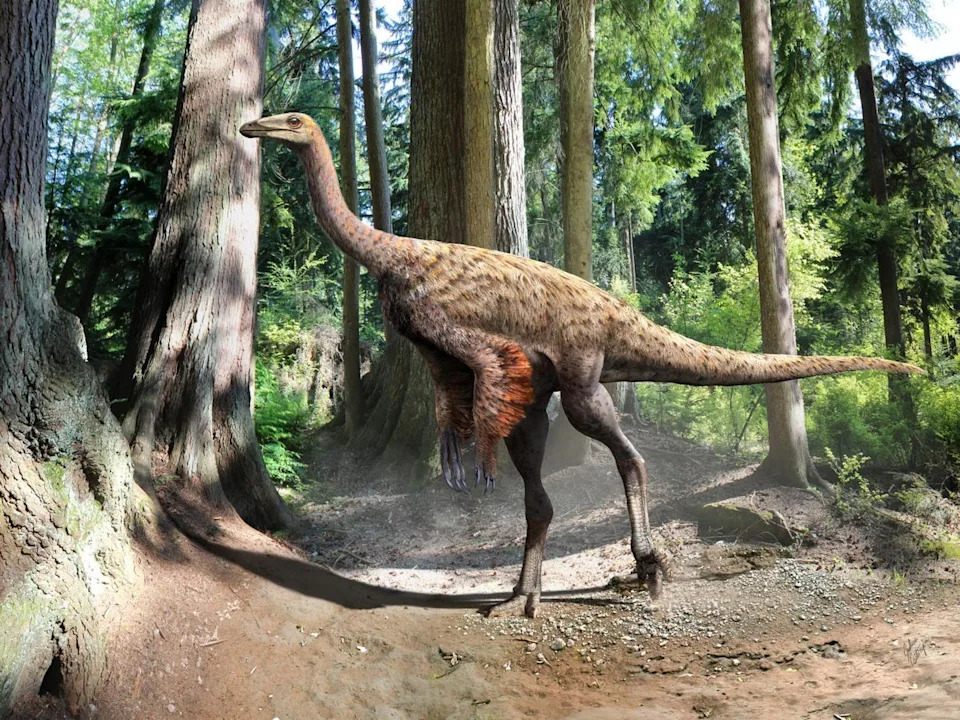
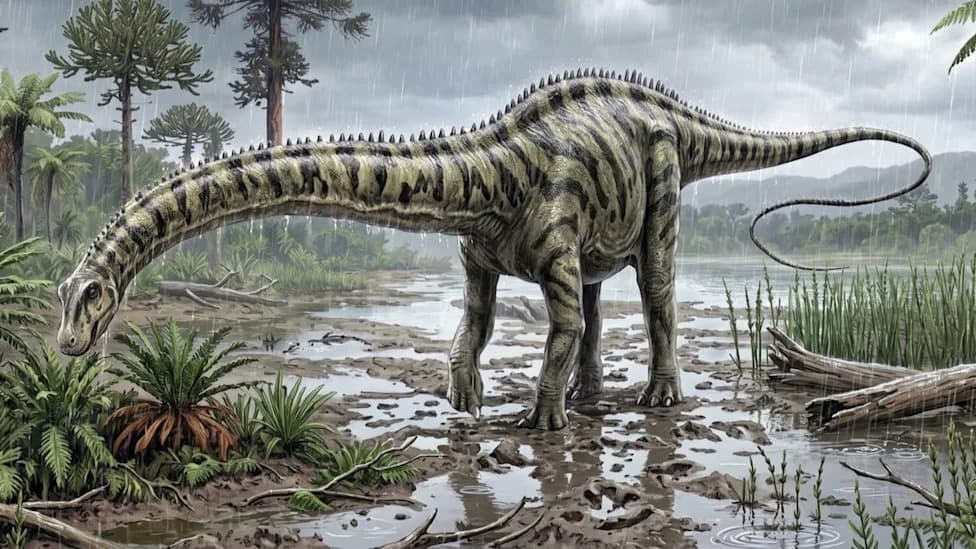
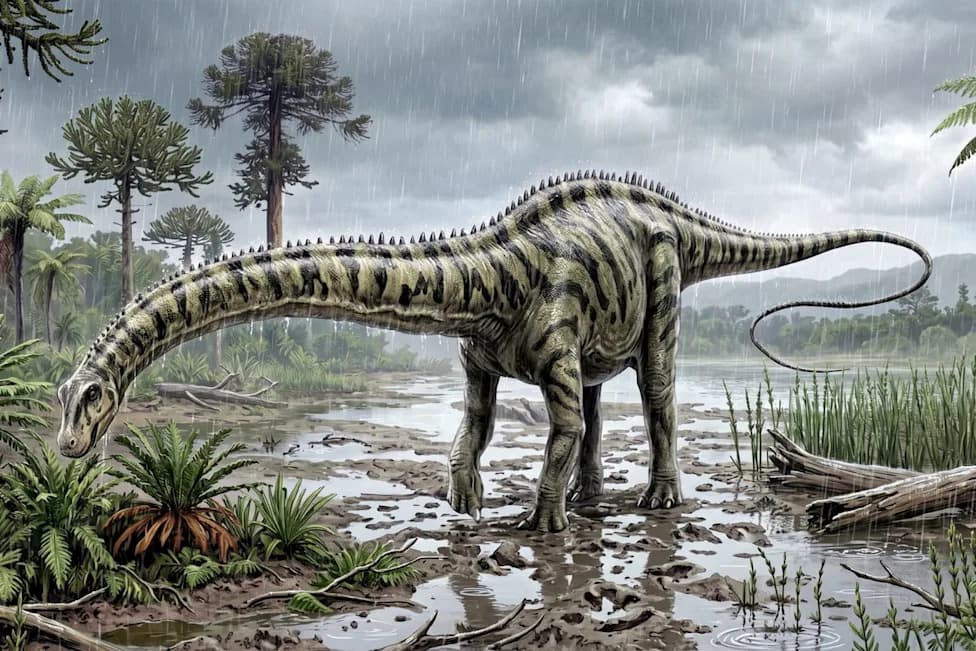
Illustration of Ornithomimus (Julius Csotonyi via University of Alberta)
The comparative analysis showed the fossil most closely matches ornithomimosaur anatomy. Researchers believe it is likely the tenth caudal vertebra of a two-legged ornithomimosaur.
How the Bone Reached the Island
Exactly how the bone arrived on Denman Island is uncertain. The study suggests several possible scenarios: disarticulation and deposition from a floating carcass, transport along the shoreline or by turbidity currents, or movement by scavengers.
'How exactly the bone came to be deposited in this location is unknown but some possibilities include disarticulation from a floating carcass, transport from a carcass along the shoreline via wave action or turbidity current, or transport via scavenging,' the authors wrote.
Despite the uncertainty about deposition, the find supports the view that ornithomimosaurs lived along North America's western margin during the Late Cretaceous. The authors note that further discoveries will be needed to determine how this individual — and its population — compare with ornithomimosaurs found elsewhere on the continent.
Publication: The discovery and analysis are published in the journal FACETS.
Help us improve.