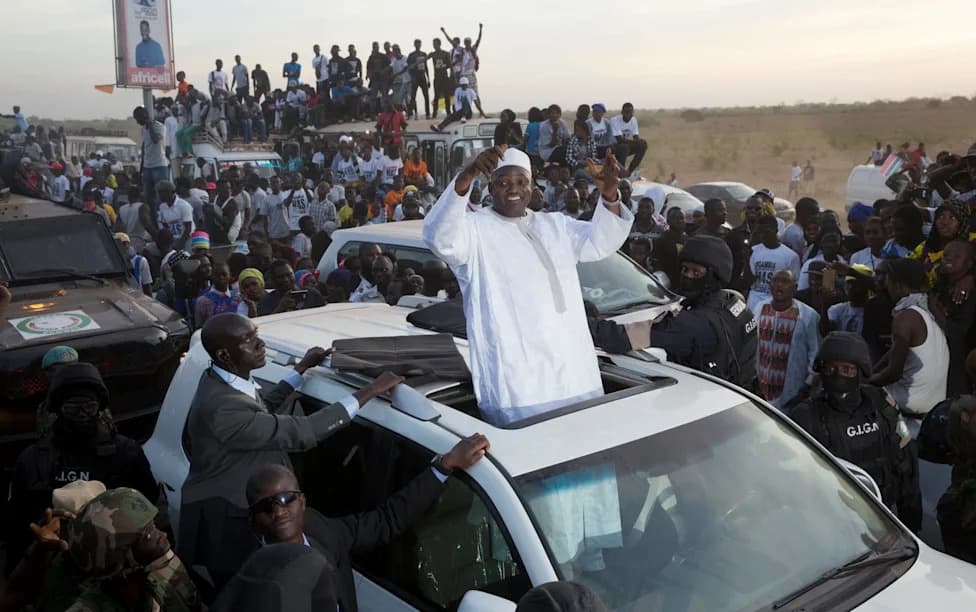
President Bassirou Diomaye Faye has named economist Ahmadou Al Aminou Lo as Senegal's prime minister, three days after dismissing Ousmane Sonko. The IMF froze a $1.8 billion program after misreported debt pushed the country's projected end-2024 debt to about 132% of GDP. Lo, formerly head of Senegal's BCEAO office, pledged to reassure investors and pursue the administration's "systemic transformation" while navigating political uncertainty as the National Assembly weighs Sonko's reintegration.
Senegal Appoints Economist Ahmadou Al Aminou Lo As Prime Minister Amid Debt Standoff
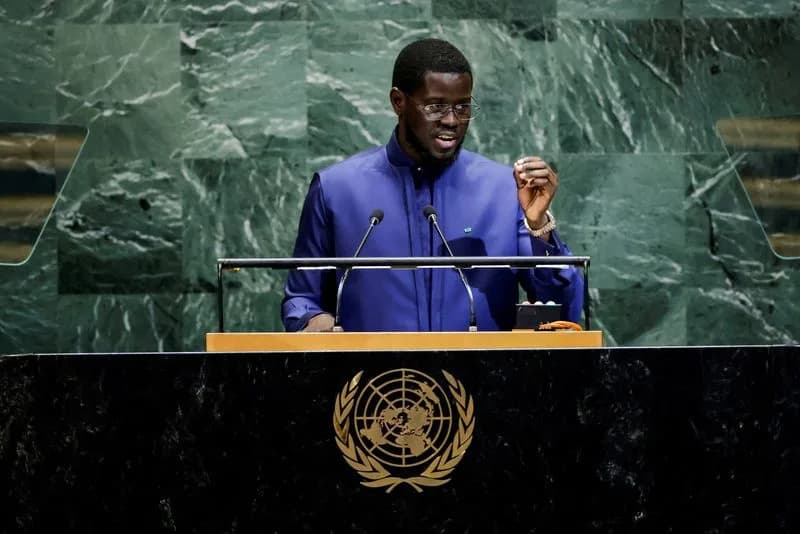
FILE PHOTO: Senegal's President Bassirou Diomaye Faye addresses the 80th United Nations General Assembly at U.N. headquarters in New York, U.S., September 24, 2025. REUTERS/Eduardo Munoz/File Photo
Senegal President Bassirou Diomaye Faye on Monday appointed veteran economist Ahmadou Al Aminou Lo as prime minister, three days after dismissing Ousmane Sonko, a combative political ally who opposed debt restructuring. The appointment comes as Senegal grapples with a fiscal crisis and stalled engagement with the International Monetary Fund (IMF).
Why This Matters
The IMF has frozen a $1.8 billion lending program after discovering misreported debt, a development that has pushed Senegal's projected end-2024 debt level to about 132% of GDP. Roughly $13 billion of indebtedness lies at the heart of discussions over potential restructuring — a plan Sonko publicly opposed.
About The New Prime Minister
Ahmadou Al Aminou Lo previously served as head of Senegal's office of the Central Bank of West African States (BCEAO). Announcing his appointment on state television, Lo sought to calm markets and reassure both local business leaders and international investors while acknowledging the country's strained public finances.
"We must all be aware of the state of emergency our country currently finds itself in. In particular, the state of public finances and its impact on the economy," Lo said. "Senegal is a safe and reliable country and intends to remain so."
Political Risks And Next Steps
Faye's dismissal of Sonko — the politician who helped build his political base — has increased uncertainty about the government's ability to pass reforms needed to restore IMF support. In March, Sonko warned he could lead his Pastef party, which controls the National Assembly, into opposition if the president strayed from party priorities.
The National Assembly is scheduled to debate reintegrating Sonko as a lawmaker, and the recent resignation of the Assembly speaker has fueled speculation that Sonko could assume the post. Lo stressed that his appointment should not be read as a retreat from the administration's pledge of "systemic transformation," but as a recalibrated approach aligned with the president's broader vision. He also offered conciliatory remarks toward Sonko and commended the record of the government Sonko led, including an economic recovery plan that relied heavily on domestic financing.
Reporting by Diadie Ba, Ayen Deng Bior and Anait Miridzhanian; Editing by Robbie Corey-Boulet and Paul Simao.
Help us improve.