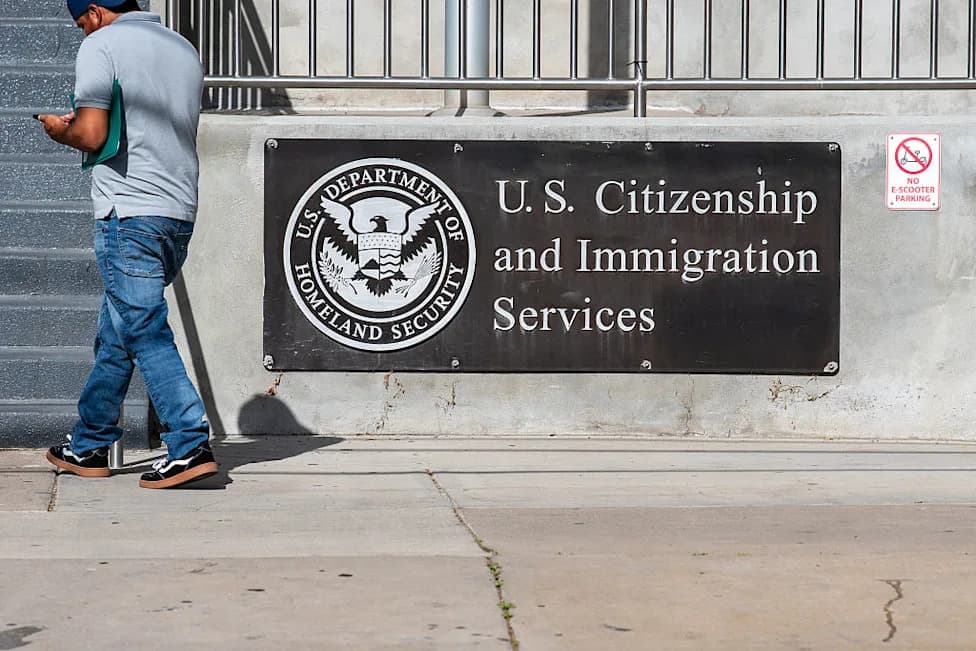
USCIS announced it will generally limit in‑country "adjustment of status" to "extraordinary circumstances," potentially forcing many green card applicants to leave the U.S. and wait abroad. Officials said limited exemptions may exist for those who can demonstrate clear economic benefit or national‑interest reasons, but criteria remain undefined. Tech leaders, entrepreneurs, immigration experts, and lawmakers warned the move could split families, disrupt research and startups, and trigger eligibility bars that would affect many applicants.
Tech Leaders and Lawmakers Sound Alarm After USCIS Limits In‑Country Green Card Applications

Blake SchollBloomberg/Getty Images
President Donald Trump’s latest immigration guidance has sparked widespread concern across tech, business, academia, and advocacy communities. The Department of Homeland Security and U.S. Citizenship and Immigration Services (USCIS) said it will grant "adjustment of status" — the process that lets many immigrants apply for a green card from inside the United States — only in "extraordinary circumstances." That guidance could force many applicants to leave the country and wait abroad while their immigrant visa cases are processed.
Andrew NgBig Event Media/Getty Images for HumanX Conference
What the Guidance Says
USCIS indicated exceptions may be available for applicants who can demonstrate they provide clear economic benefits or serve the national interest, but officials have not defined how broadly those exemptions will be applied. That ambiguity has left employers, universities, families, and immigration lawyers scrambling to understand who will be affected and how enforcement will play out.
Reid HoffmanBloomberg/Getty Images
Potential Impacts
Legal experts warn the change could have wide-ranging consequences, including prolonged family separations, interruptions to scientific and commercial projects, and a potential chilling effect on immigration-driven innovation. David J. Bier, director of immigration studies at the Cato Institute, argued the memo could result in mass denials and estimated it may affect about 1.2 million pending green card applicants — a figure Bier uses to describe the scale of applicants who could face new hurdles. Bier also cautioned that leaving the U.S. could trigger three- or ten-year bars for those who have accrued unlawful presence, making them ineligible for immigrant visas after departure.
Rep. Yvette ClarkeBill Clark/CQ-Roll Call, Inc via Getty Images
Reactions From Tech, Business, and Politics
Business leaders, entrepreneurs, and researchers across Silicon Valley and beyond reacted sharply.
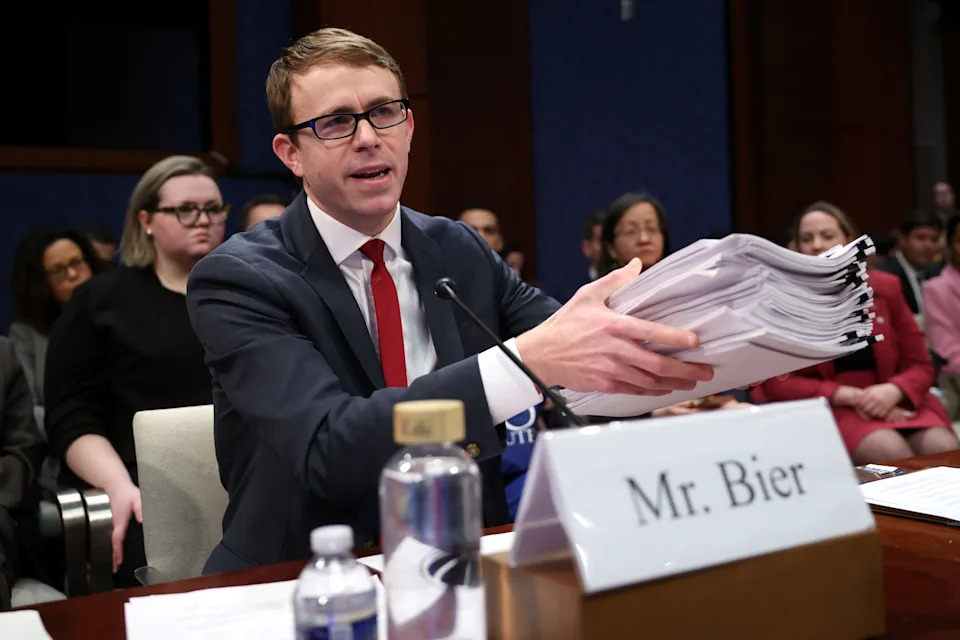
David J. BierKayla Bartkowski/Getty Images
Blake Scholl, founder and CEO of Boom Supersonic, said he understands concerns about abuse of the immigration system but questioned why the U.S. would make it harder for "motivated, ambitious, hardworking people" to come here.
Nick Davidov, a venture-capital founder, called the move one of the worst by DHS and warned it could force O-1 and H-1B holders to stop working legally in the U.S. and return home amid multi-year backlogs — a problem especially acute for people who cannot safely return to their countries of origin.
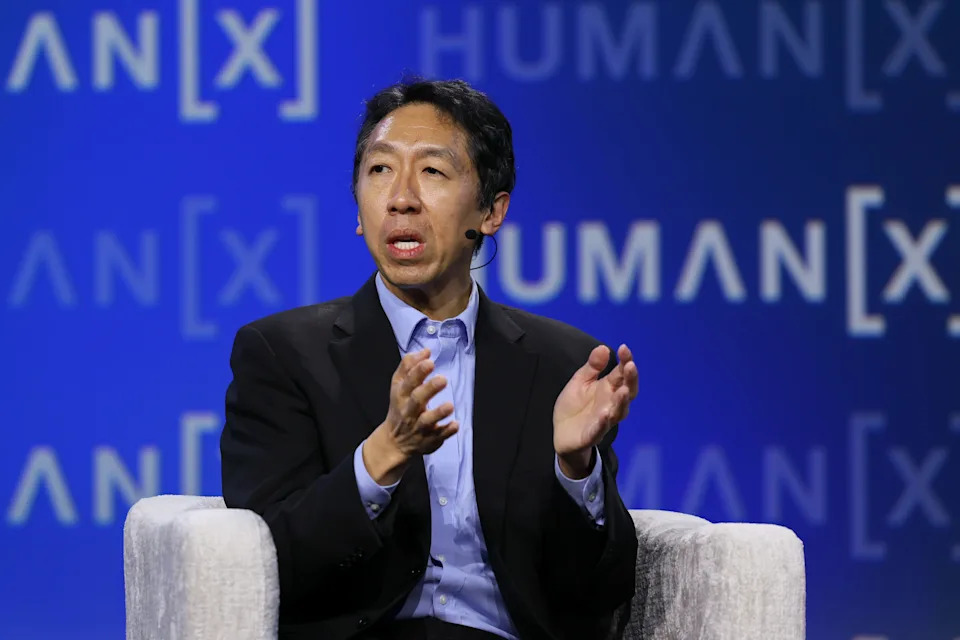
Andrew Ng, AI entrepreneur, described the requirement to apply from abroad as "a capricious attack on legal immigration," saying it would harm families and reduce the supply of doctors, teachers, and scientists.
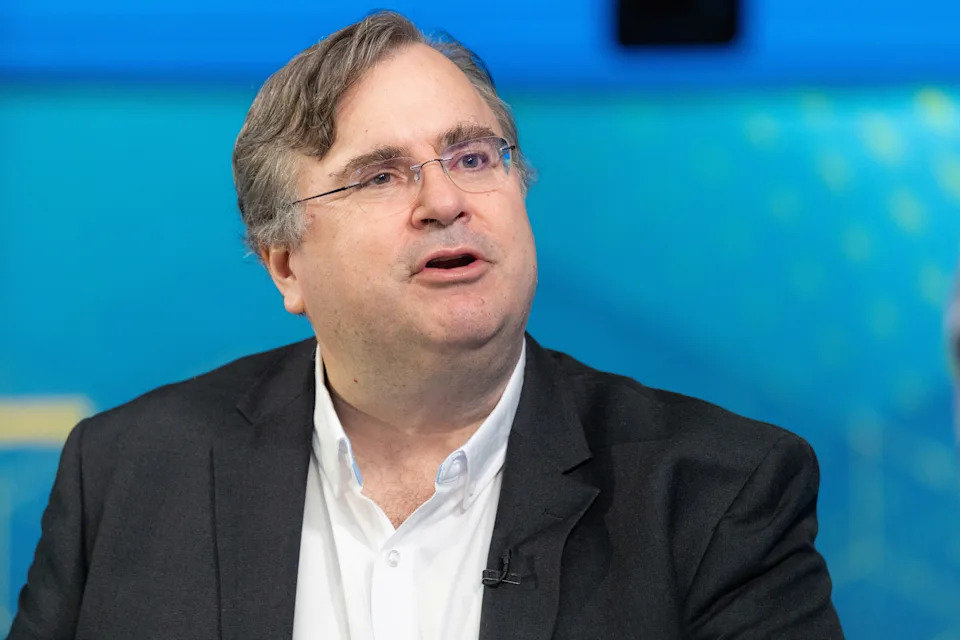
Other prominent voices included Reid Hoffman (LinkedIn cofounder), Yann LeCun (Turing Award laureate), Garry Tan (Y Combinator CEO), Ash Jogalekar (Microsoft project manager), and investor Jason Calacanis, all of whom criticized the guidance for its potential to harm U.S. competitiveness and scientific research.

Yann LeCunYui Mok - Pool/Getty Images
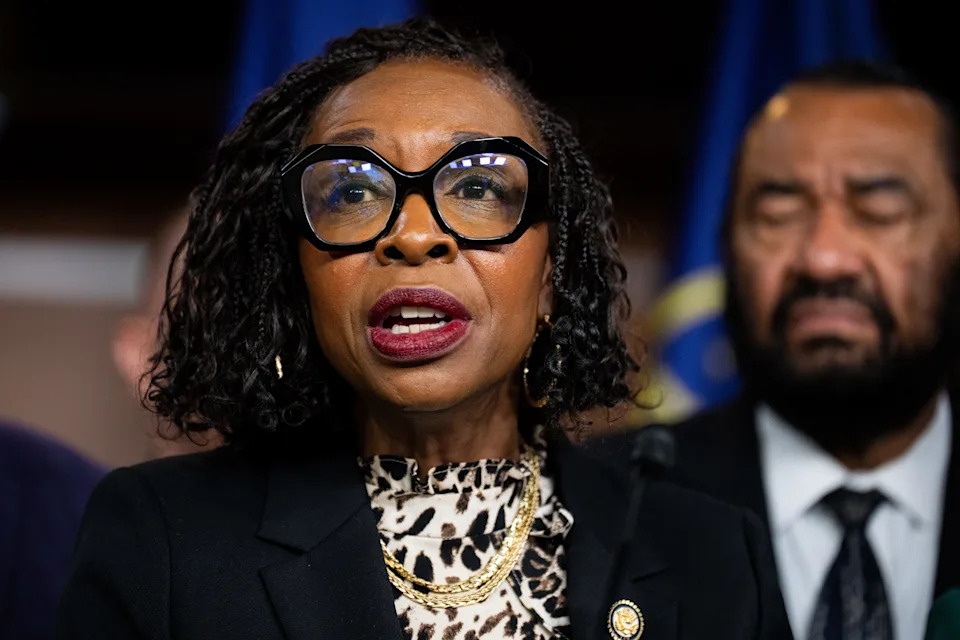
Rep. Yvette Clarke (D-N.Y.) called the policy "a disgrace," arguing it would further strain an already troubled immigration system and purposely inflict pain on immigrant communities.

Y Combinator CEO Garry TanHutton Supancic/SXSW Conference & Festivals via Getty Images
What's Unclear—and What Comes Next
USCIS has said some applicants who "provide an economic benefit or otherwise are in the national interest" may qualify for exemptions, but has not published objective criteria or a predictable process for evaluating such claims. That lack of clarity is prompting calls for congressional oversight and demands for clearer guidance from USCIS leadership. Some critics have also called for new leadership at the agency.

Investor and All-In podcast co-host Jason CalacanisBridget Bennett/Bloomberg via Getty Images
Bottom Line
The guidance marks a significant shift in how adjustment of status may be handled and could disrupt lives, careers, and projects that depend on stable immigration pathways. Until USCIS issues more detailed rules or clarifications, employers, universities, and immigrant families face uncertainty about the future of hundreds of thousands of pending and prospective green card applicants.
Help us improve.