The IRS is reportedly weighing whether to add a citizenship checkbox to the 2026 Form 1040, with officials drafting two versions: one with routine updates and another adding a box for non‑U.S. or dual citizens. Three sources familiar with the discussions spoke on condition of anonymity. The move follows 2025 efforts by Treasury and DHS to share taxpayer records with immigration officials — a practice a judge blocked in November — and an admission in February that the IRS had mistakenly shared data for over 42,000 taxpayers. Treasury declined to comment.
IRS Weighs Citizenship Checkbox On 2026 Form 1040, Sparking Privacy Concerns
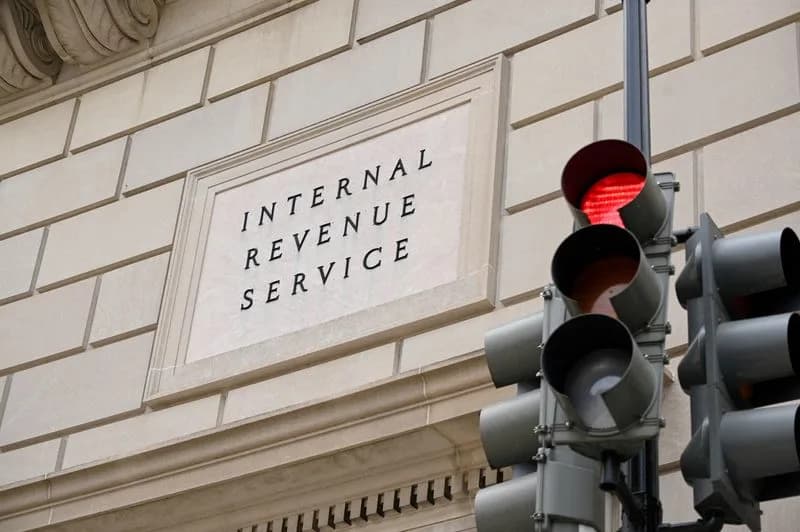
FILE PHOTO: The Internal Revenue Service (IRS) building is seen in Washington, U.S. September 28, 2020. REUTERS/Erin Scott/File Photo
By Jacob Bogage
WASHINGTON, May 22 (Reuters) - The Internal Revenue Service is considering asking taxpayers to disclose their citizenship status on next year’s Form 1040, according to three people familiar with internal discussions. The deliberations come as the Trump administration seeks to more closely align federal agencies with its broader immigration‑enforcement agenda.
IRS officials have reportedly drafted two versions of the 1040. One would make routine edits to reflect recent tax‑law changes. The alternative would include those routine updates plus a checkbox reading:
"Check this box if you are a non‑U.S. citizen or have dual citizenship."
The sources spoke on the condition of anonymity, citing fear of professional reprisals. Representatives for the Treasury Department, which oversees the IRS, declined to comment.
Immigrants — including those without legal status — already must file federal taxes and use the same IRS forms as citizens. For many undocumented immigrants, filing and paying taxes has long been considered an important factor when seeking legal status or other immigration benefits.
The proposal follows a period in 2025 when the Treasury Department and the Department of Homeland Security attempted to share confidential taxpayer information to support deportation efforts by the administration. A federal judge in November blocked the IRS from disclosing that data; the government has appealed the ruling. In February the IRS told the court it had mistakenly shared records for more than 42,000 taxpayers with DHS.
Supporters of tighter information sharing say the checkbox could improve enforcement and help confirm identities. Critics warn it could deter immigrant taxpayers from filing, expose sensitive data to enforcement agencies, and raise legal and privacy challenges. The debate highlights an ongoing tension between immigration enforcement priorities and taxpayer confidentiality protections.
Help us improve.