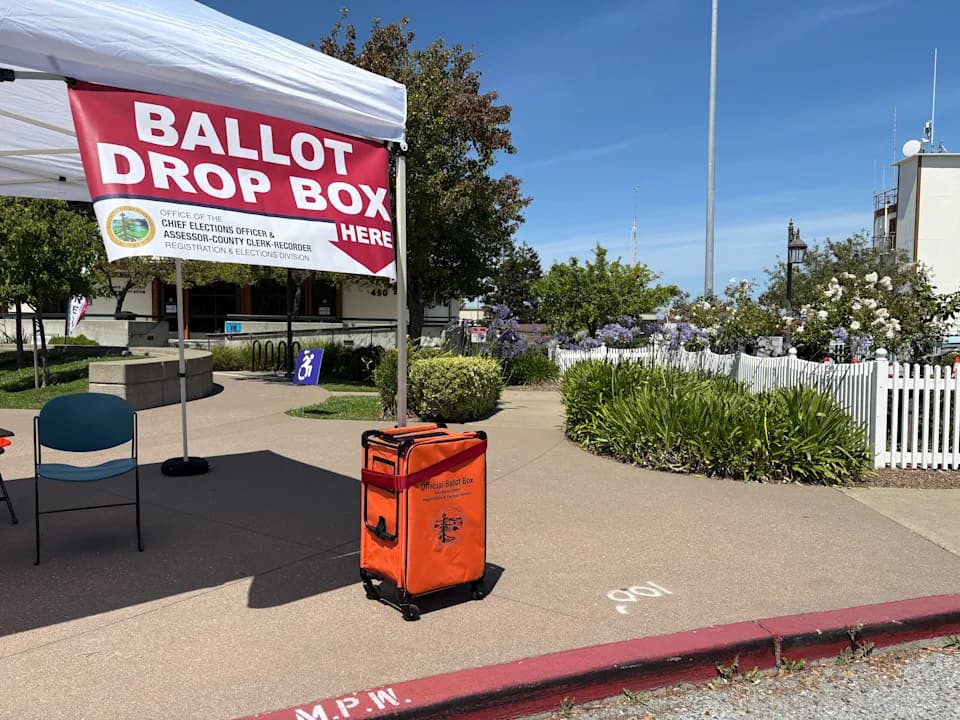
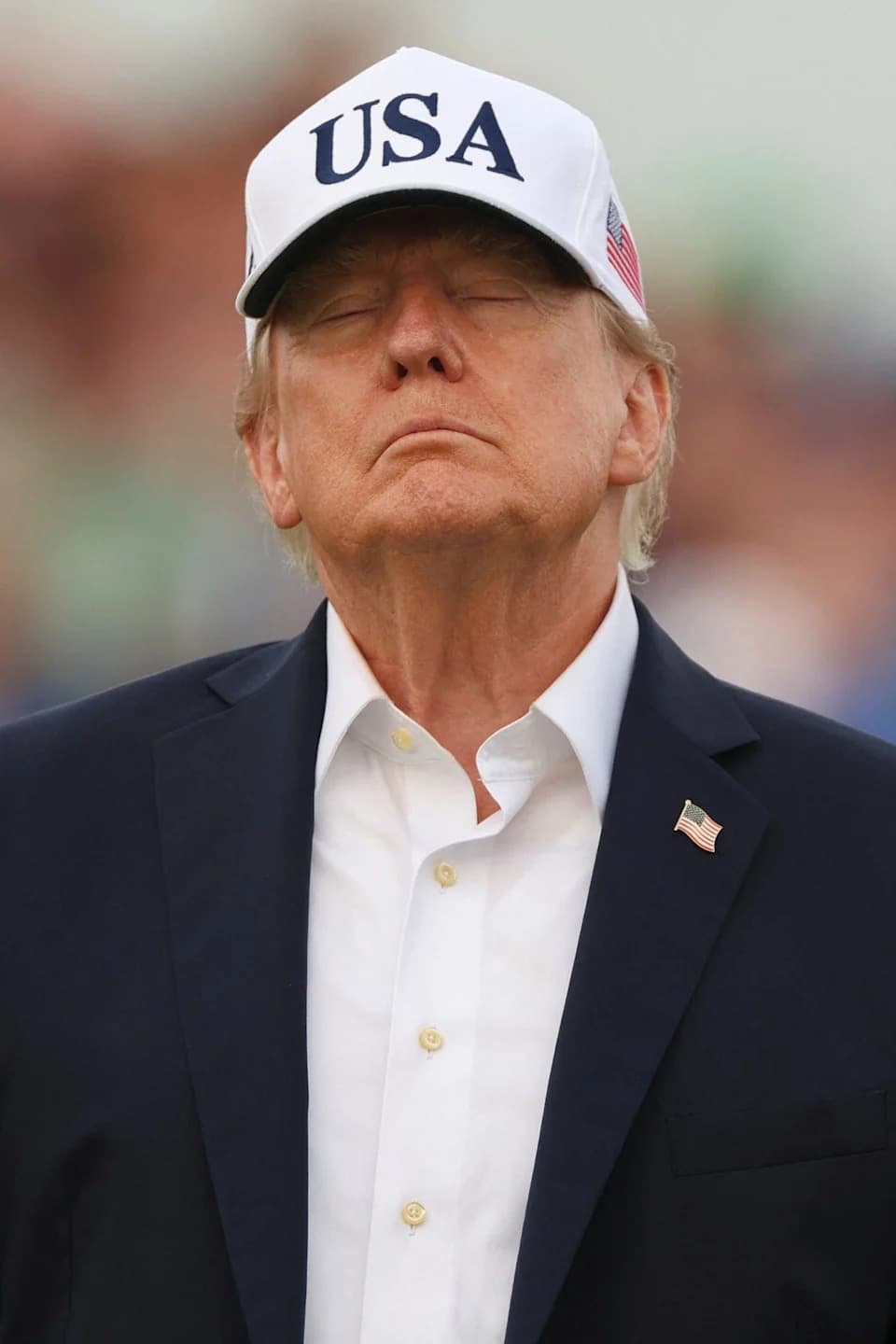
Stephen F. Lynch warns that President Trump’s executive order restricting mail-in voting is unconstitutional and risks disenfranchising seniors, veterans, deployed service members, disabled voters, and out-of-state students. The order would shift control over federal election procedures to the executive branch and force the USPS to refuse ballots not on new federal rosters. Lynch cites a federal judge’s ruling that similar orders exceed presidential authority, notes conflicts with UOCAVA, the Voting Rights Act, and the ADA, and urges Congress to pass the Vote By Mail Protection Act to block enforcement.
Protect Mail-In Voting: Why Congress Must Block Trump’s Unconstitutional Order
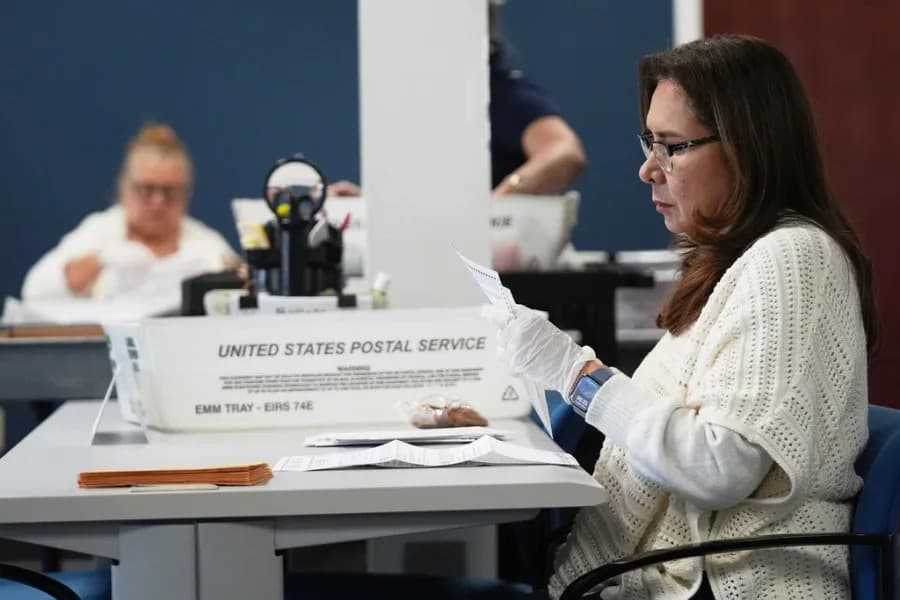
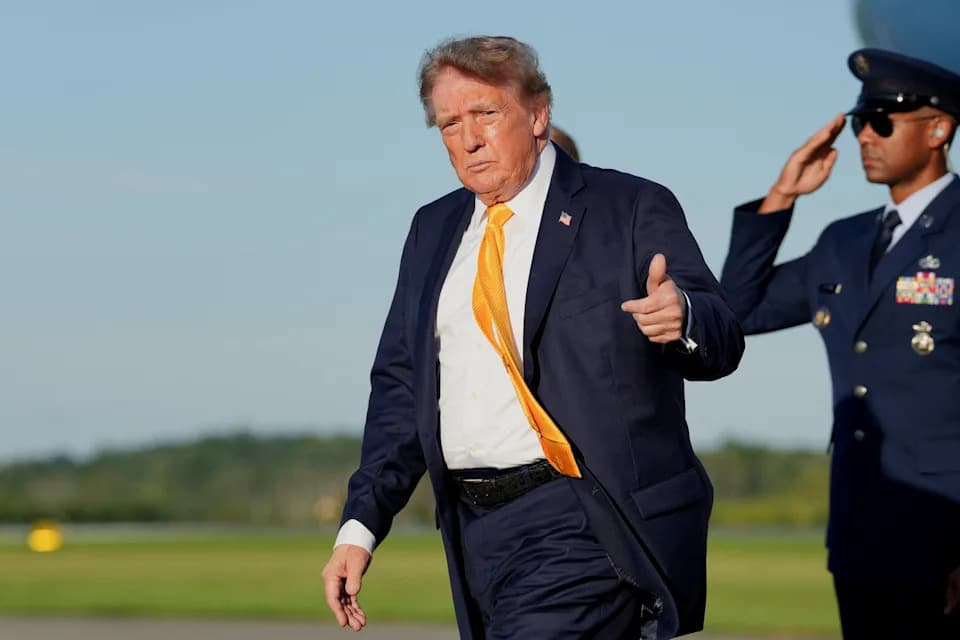
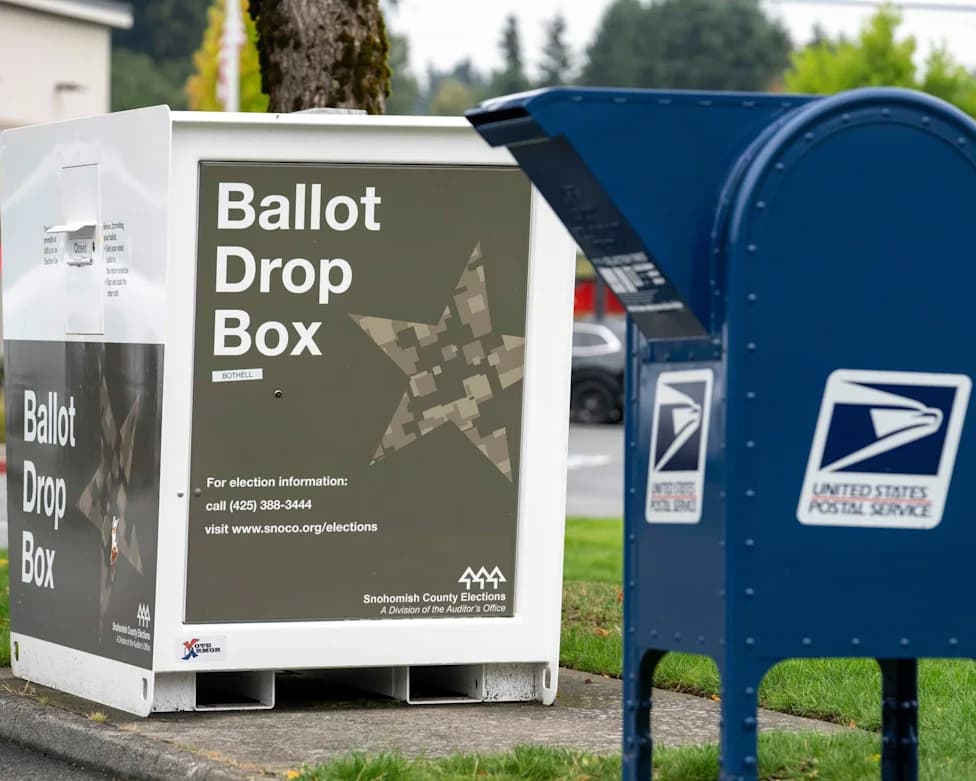
President Trump’s recent executive order restricting mail-in voting threatens to undermine long-standing state control over federal elections and risks disenfranchising many eligible voters. The order would shift decisions about voter eligibility and ballot rules to the federal executive branch and require the U.S. Postal Service to refuse delivery of mailed ballots from voters not listed on newly compiled federal rosters.
The Constitutional And Legal Problem
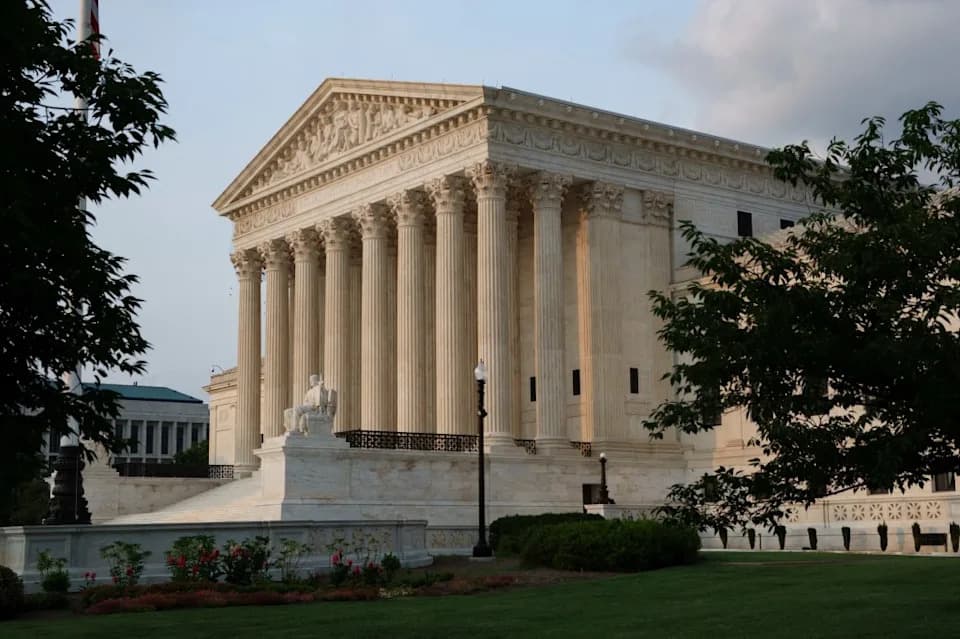
The Constitution vests primary authority to regulate federal elections in the states, with Congress playing a supervisory role. A federal court has already enjoined enforcement of a comparable Trump order: as U.S. District Judge Colleen Kollar-Kotelly wrote, the president “has no relevant constitutional power on which to rely” and “the power to regulate federal election procedures rests exclusively with the states and with Congress.”
Conflicts With Federal Statutes
Beyond constitutional concerns, the executive order conflicts with federal statutes designed to expand access to the ballot—most notably the Uniformed and Overseas Citizens Absentee Voting Act (UOCAVA), the Voting Rights Act, and the Americans With Disabilities Act. These laws were enacted to make voting easier, not to create new barriers that would disproportionately harm specific groups.
Who Would Be Affected?
Voting and civil-rights organizations warn that this order would disproportionately affect seniors, veterans, deployed service members, U.S. citizens living abroad, out-of-state college students, and voters with disabilities—many of whom rely on mail-in voting as their only feasible option.
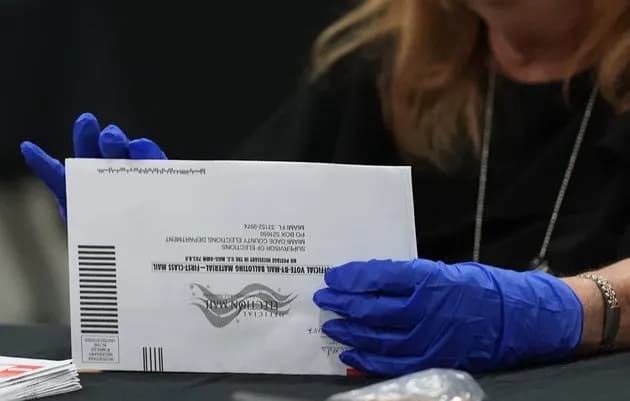
Fact: During the 2024 general election cycle the Postal Service processed nearly 100 million mail-in ballots; vote-by-mail accounted for roughly 40% of ballots cast by Americans aged 65 and older, and more than 900,000 ballots were cast by service members and citizens living abroad.
Political Motive And Misinformation
The order appears driven in part by unsubstantiated claims about widespread mail-ballot fraud. Despite repeated allegations, federal and state courts dismissed more than 60 election-fraud lawsuits brought by the former president and his allies for lack of evidence. Claims that the U.S. is unique in using mail ballots are demonstrably false: at least 34 countries allow some form of voting by mail.
What Congress Can Do
To protect access to the ballot and preserve election administration norms, Congress should act. Representative Stephen F. Lynch has introduced the Vote By Mail Protection Act to invalidate the executive order and bar federal agencies— including the U.S. Postal Service—from using taxpayer funds to enforce it. The measure has earned endorsements from Public Citizen and several postal employee organizations, including the National Association of Letter Carriers, the National Postal Mail Handlers Union, and the National Association of Postal Supervisors.
With recent judicial decisions weakening parts of the Voting Rights Act and continued threats to election administration, Congress must use every available tool to prevent presidential interference that would further undermine public confidence and the fairness of our elections.
Stephen F. Lynch represents Massachusetts’s 8th District and sits on the House Committee on Oversight and Government Reform.
Help us improve.