Republicans are pushing to end a payroll-tax exemption for employers hiring international students through the Optional Practical Training (OPT) program after investigators uncovered more than 10,000 suspected "phantom employees." Rep. Glenn Grothman introduced the "OPT Fair Tax Act" to require employers to pay Social Security and Medicare taxes on OPT hires, a move supporters say would level the field for U.S. graduates. Officials and researchers warn the program has grown rapidly and may be vulnerable to abuse; closing the exemption could raise an estimated $27–$36 billion over 10 years.
‘Phantom Employees’ Scandal Spurs GOP Push to End $27–$36B Payroll Tax Break for OPT Hires
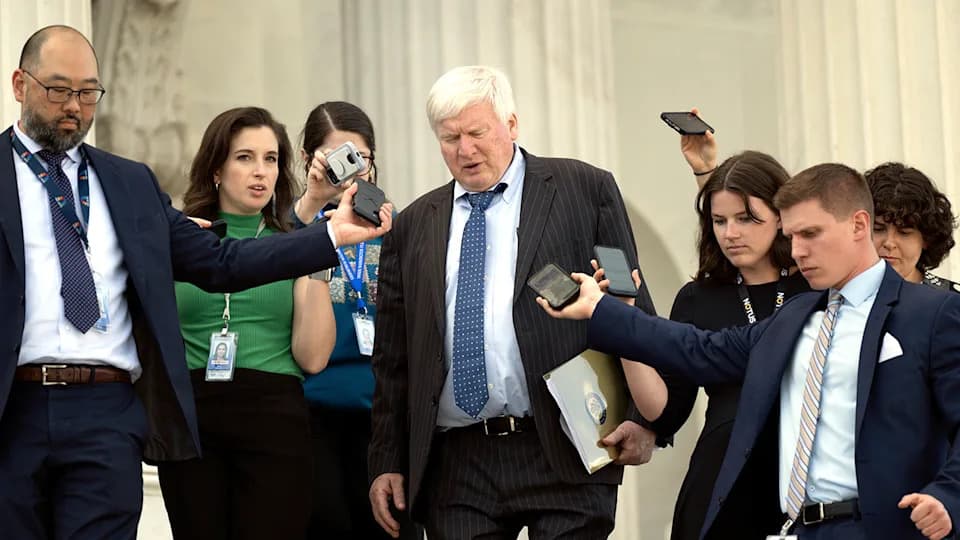
Rep. Glenn Grothman, R-Wis., (center) dropped a bill Thursday to kill the financial incentives behind a foreign worker pipeline costing Americans hundreds of thousands of jobs after U.S. Immigration and Customs Enforcement (ICE) uncovered 10,000 "phantom employees" exploiting a federal work program.(Getty Images)
Republicans are pressing Congress to close a payroll-tax exemption for employers that hire international students through the Optional Practical Training (OPT) program after investigators identified more than 10,000 suspected "phantom employees." Lawmakers and officials say the tax preference creates a financial incentive to hire foreign OPT workers instead of U.S. graduates and has coincided with rising fraud and program abuse.
What Happened
Acting ICE Director Todd Lyons announced investigators uncovered more than 10,000 foreign students tied to "suspect employers" in an alleged fraud scheme involving OPT. Lyons described OPT — which allows F-1 visa students to work temporarily in roles related to their studies — as having "ballooned into an uncontrolled guest worker pipeline" as participation grew.

Todd Lyons, acting director of Immigration and Customs Enforcement, arrives for the Senate Homeland Security and Governmental Affairs Committee hearing on oversight of ICE, Customs and Border Protection, and Citizenship and Immigration Services in Washington, D.C., on Feb. 12, 2026.
Officials highlighted cases of so-called "phantom employees": students who obtained OPT authorization and were listed as working for particular employers but reportedly never showed up at the workplace. Lyons said the 10,000-plus suspect students were connected to the top 25 OPT employers and called that figure "only the tip of the iceberg."
Legislative Response
Republican Rep. Glenn Grothman (R-Wis.) introduced the "OPT Fair Tax Act," which would require employers to pay Social Security and Medicare payroll taxes on OPT hires at the same rate they pay for U.S. workers. Grothman argues the change would level the playing field for American graduates and remove a financial incentive that favors foreign hires.
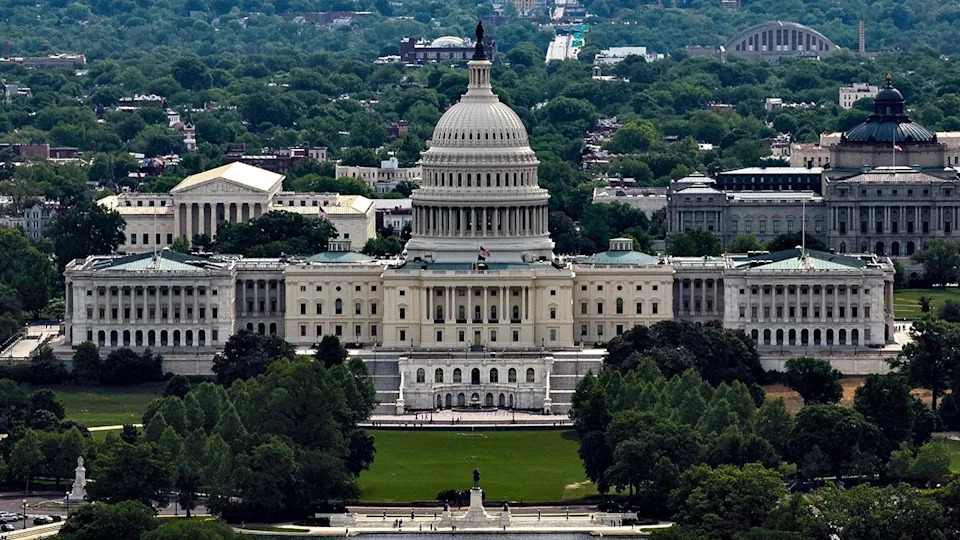
A general view of the U.S. Capitol Building from the top of the Washington Monument in Washington, D.C., on May 2, 2026.
The House bill is a companion to a Senate bill introduced by Sen. Tom Cotton (R-Ark.) in September. Supporters say the measure would restore fairness for U.S. job-seekers and close a tax-based loophole some employers may exploit.
Cost Estimates and Scale
Grothman cited research from the Institute for Progress estimating an average of roughly 330,000 students participated in OPT annually from fiscal years 2017–2022. That research projects eliminating the payroll-tax exemption could raise an estimated $27 billion to $36 billion in federal revenue over 10 years.
Why It Matters
Proponents of the change say it would encourage employers to hire qualified American graduates first, reduce incentives for program abuse, and protect U.S. workers from unfair competition. Critics of OPT misuse warn that fraud and weak program oversight have left the system vulnerable and that Congress should investigate how questionable employers operated within OPT for so long.
"Americans should not be put at a disadvantage because Washington created a loophole that favors hiring foreign workers over qualified U.S. citizens," Rep. Grothman told Fox News Digital, urging lawmakers to prioritize American workers.
The debate is likely to continue as lawmakers weigh immigration policy, workforce needs, and tax fairness while investigators pursue alleged fraud tied to OPT participation.
Help us improve.