Ukrainian units have begun mounting rocket pods on long-range kamikaze drones, enabling each aircraft to fire up to eight unguided rockets while keeping a 132-pound warhead for primary targets. Published clips show paired rocket salvos and report strikes as far as roughly 300 miles (about 500 km) into Russian-held territory, including a reported hit near a Black Sea Fleet facility in Crimea. The adaptation offers a lower-cost, expendable way to suppress air defenses and engage secondary threats, though independent verification of the footage is limited.
Ukraine Arms Long-Range 'Kamikaze' Drones With Rocket Pods to Suppress Russian Air Defenses
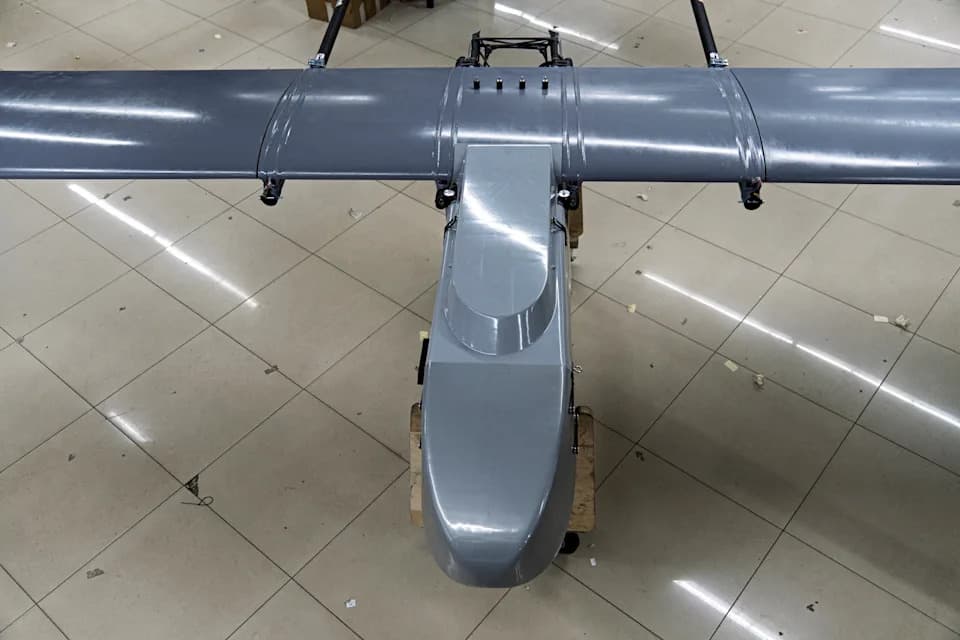
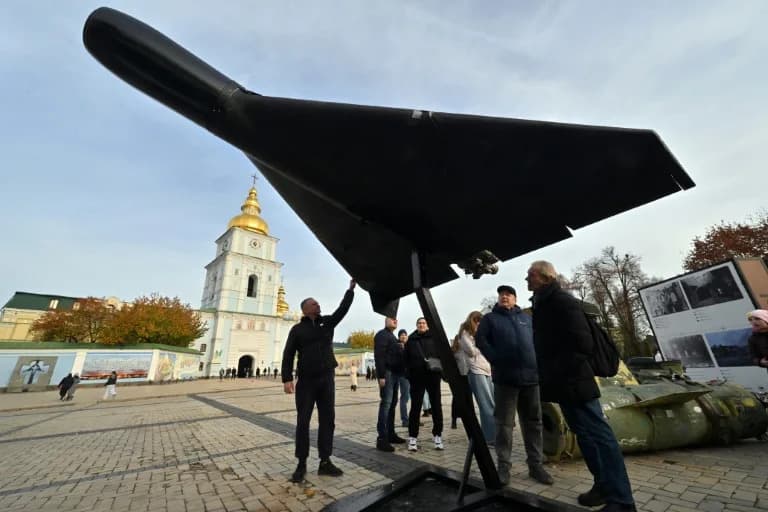
Fire Point builds two long-range drones, the FP-1 and FP-2. It also builds a long-range missile called the Flamingo, which Ukraine has touted as one of its main weapons for deep strikes into Russia.Serhii Okunev / AFP via Getty Images
Ukrainian forces have begun fitting long-range one-way attack drones with rocket pods that can fire multiple unguided rockets while preserving the drone's main explosive warhead for high-value targets. Units say this tactic lets drones engage secondary threats and suppress air defenses deep inside Russian-held territory with a relatively low cost per strike.
How The Tactic Works
The Unmanned Systems Forces (USF) announced that fixed-wing loitering munitions have been adapted to carry as many as eight unguided rockets each. Video shared by the USF appears to show paired rocket salvos fired in quick succession, suggesting the rockets are split between two underwing pods.
Reported Strikes And Operational Depth
Footage published by Ukrainian units, including the 414 Magyar's Birds and the USF's 1st Separate Center, shows rocket strikes used against a variety of targets, from a naval facility attributed to Russia's Black Sea Fleet in Crimea to air-defense crews in fields and forests behind the front line. Some Ukrainian units claimed strikes reached operational depths of roughly 300 miles (about 500 km), though independent verification is limited.
"The task is set — zero out these machine gunners and MANPADS crews," reads a caption in the montage, referring to man-portable air-defense systems typically used to threaten low-flying aircraft and drones.
Platform, Payload And Cost Considerations
Published clips show a small airplane-shaped drone firing rockets from its wings. Open-source analysts have noted the design resembles Fire Point's FP-1 or FP-2, reportedly built to carry a roughly 132-pound warhead and to fly long ranges — with per-unit prices reported at about $50,000–$55,000. The added unguided rockets, such as S-8-type munitions, cost only a few thousand dollars each, making them a cost-effective way to engage secondary threats while preserving the drone's heavier warhead for priority targets.
Using expendable drones to fire cheap rockets reduces the need to risk attack helicopters or manned strike aircraft for deep strikes, and the rockets can also help suppress ground-based air defenses trying to intercept the drone.
Context And Verification
Ukraine has launched hundreds of long-range drones during the conflict, but many have been intercepted by layered Russian air-defense networks that include surface-to-air missiles, electronic warfare, and gun crews. Business Insider noted that it could not independently verify the timing or location of the clips posted by Ukrainian units.
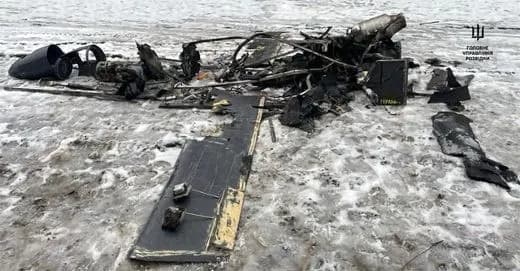
Russia has also experimented with arming long-range drones: Ukrainian intelligence reported that Russian Shahed-type drones had been fitted with R60 air-to-air missiles in attempts to counter Ukrainian helicopters and interceptor aircraft.
Implications: Attaching rocket pods to long-range loitering munitions is a tactical evolution that can lower costs, increase mission flexibility, and complicate air-defense planning for opposing forces — especially when operations reach deep into enemy territory.
Help us improve.