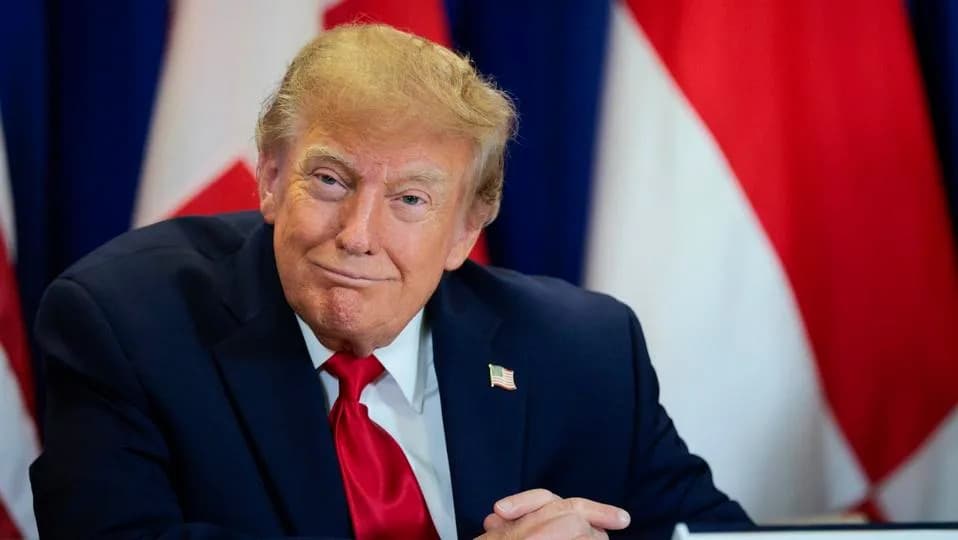
President Donald Trump’s public criticism of Sen. Josh Hawley last year has taken on new significance as OGE disclosures show Trump executed between $220 million and $750 million in stock trades in Q1 2026. Hawley drew ire after teaming with Democrats to advance a trading ban—the PELOSI Act—that included a delayed-enforcement provision effectively exempting the president. The Trump Organization says the president and his family do not direct investment decisions. The episode has reignited debate over ethics rules for elected officials.
Trump’s Public Attack On Sen. Josh Hawley Revisited As His Own Stock Trades Face Scrutiny
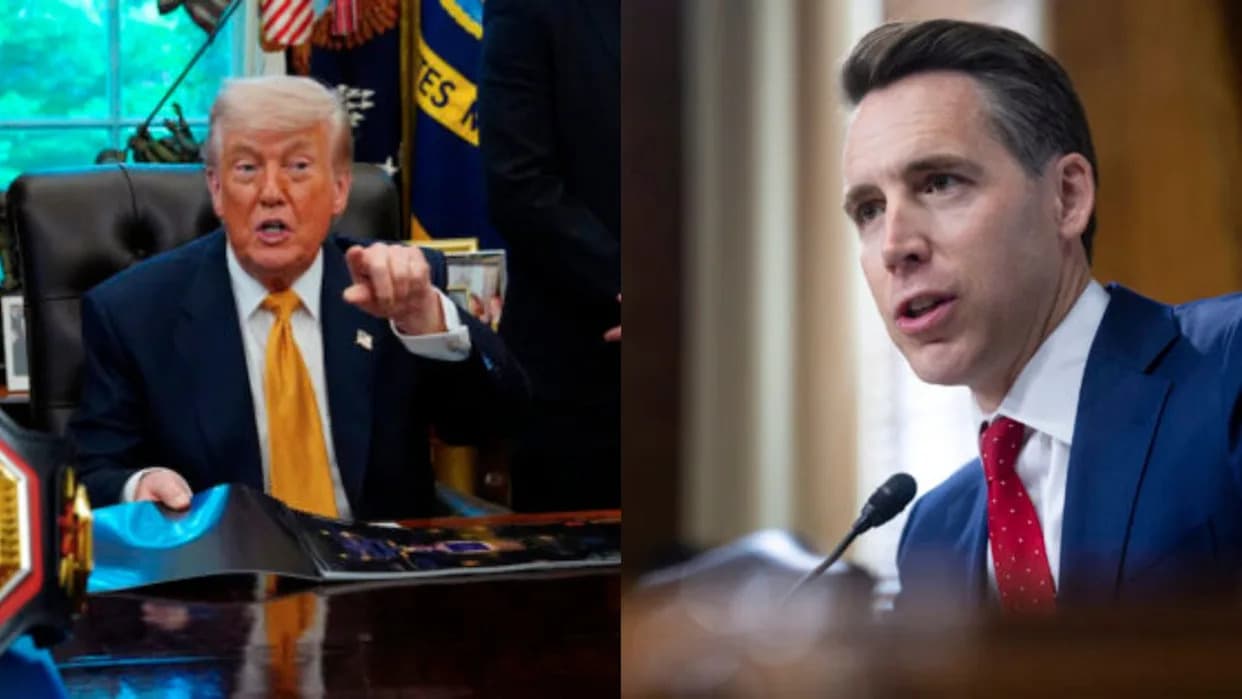
President Donald Trump’s public rebuke of Republican Senator Josh Hawley (R-Mo.) last year has resurfaced amid fresh scrutiny of the president’s own stock-trading activity. Newly filed disclosures with the Office of Government Ethics show the president conducted between $220 million and $750 million in stock transactions in the first quarter of 2026, prompting renewed attention to past clashes over trading restrictions for elected officials.
What the Filings Show
Office of Government Ethics (OGE) disclosures released earlier this year list a wide range of trades by the president during Q1 2026. The size and timing of those transactions have drawn questions from reporters and ethics observers about whether current rules are adequate to prevent conflicts of interest for senior officials.
The Hawley Clash
Last summer, Mr. Trump publicly criticized Sen. Josh Hawley after Hawley worked with Democrats to advance legislation aimed at banning securities trading by elected officials. The bill—informally known as the PELOSI Act (Preventing Elected Leaders From Owning Securities and Investments)—was revised in compromise negotiations led by Hawley and Sen. Gary Peters (D-Mich.). That deal removed the informal PELOSI label, extended the proposed ban to presidents and vice presidents, and included a provision delaying enforcement until officials’ next terms began—a tweak that effectively delayed application to President Trump.
Sen. Rand Paul (R-Ky.), then chair of the Senate Homeland Security and Governmental Affairs Committee and an opponent of trading bans, allowed Hawley to mark up the bill but declined to endorse it, which required Hawley to seek Democratic support. Hawley advanced the revised measure with unified Democratic backing plus his own vote.
Trump’s Response And The Organization’s Statement
On Truth Social last July, Mr. Trump criticized Hawley for partnering with Democrats and for what he characterized as politically timed disclosures, calling the episode "SABOTAGE!" and accusing Hawley of aiding Democrats' interests.
In response to questions about the president’s market activity, The Trump Organization said: "Neither President Trump, his family, nor The Trump Organization plays any role in selecting, directing, or approving specific investments. They receive no advance notice of trading activity and provide no input regarding investment decisions or portfolio management of any kind."
Why It Matters
The resurfacing of this exchange comes as journalists, watchdogs and lawmakers examine the magnitude and timing of the disclosed trades and debate whether stronger safeguards are needed for elected officials and the executive branch. The episode highlights tensions within the GOP over trading restrictions and the political stakes of any law that would apply to presidents.
Originally reported by Mediaite; this summary synthesizes public filings and contemporaneous news coverage.
Help us improve.