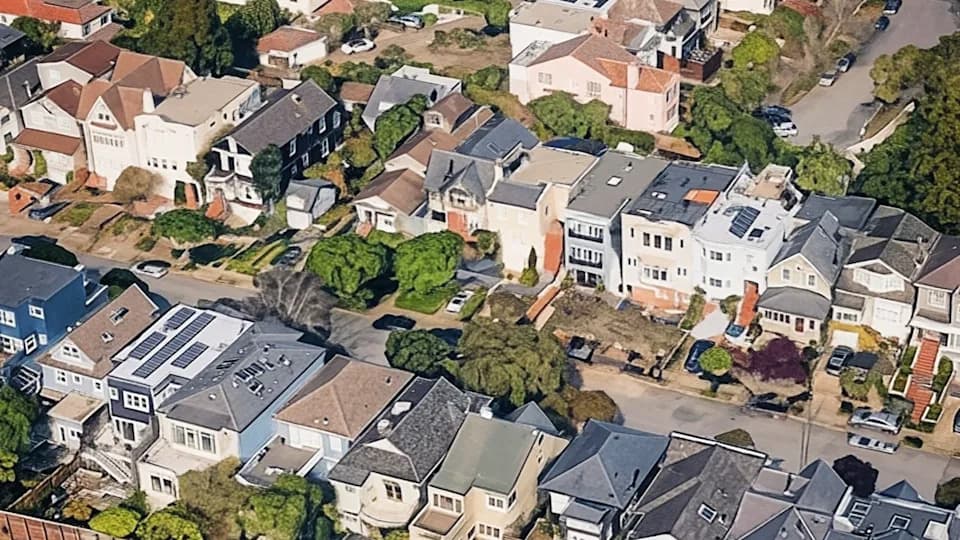
Private crews are filling a vacuum in California's slow eviction system. Landlords increasingly hire outfits such as James Jacobs' ASAP Squatter Removal to use surveillance and "breach‑and‑clear" tactics to reclaim occupied units. Those methods can work quickly but invite criminal charges, dangerous confrontations and thorny legal and ethical questions. Proposed reforms (like S.B. 448) that would speed removals have stalled amid concerns about protecting vulnerable occupants.
Samurai vs. Squatters: Inside California’s Private Eviction Economy
Samurai vs. Squatters: On the Street With the Hired Swords Reclaiming California Property Owners' Stolen Homes
"We're probably not going to use grenades on this one, right? Because I got 'em."
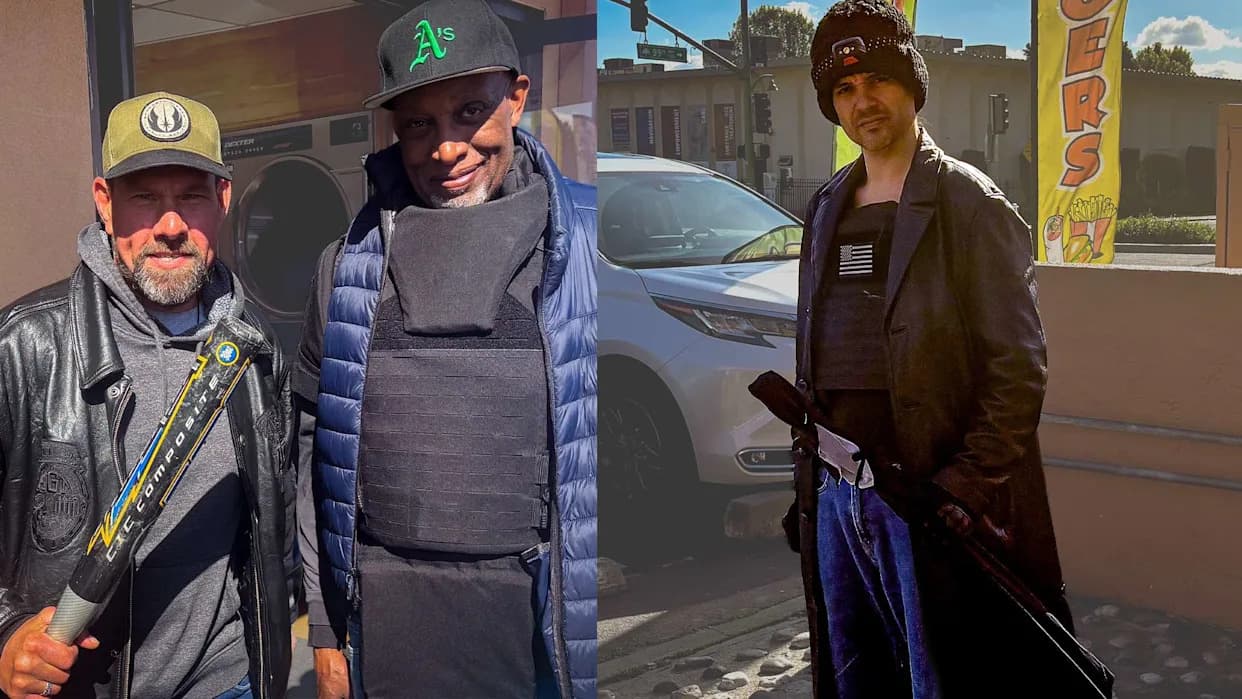
James Jacobs recruited a motley crew online to clear squatters from an Oakland apartment building. When most declined the offered smoke grenades, they relied on baseball bats, handguns and Jacobs' signature katana. Dressed in a long black leather coat, Jacobs led the group toward the two‑story building off International Boulevard — and a confrontation that captured the hazards and legal gray zones of private eviction work in California.

Illustration: Christian Britschgi/Midjourney(Illustration: Christian Britschgi/Midjourney)
What These Crews Do
Private firms like Jacobs' ASAP Squatter Removal promise faster results than months‑long civil eviction proceedings. Typical tactics include surveillance, a daytime "breach‑and‑clear" when occupants are away, boarding the unit and holding it under watch. Jacobs says his methods are practical and legal; critics call them reckless and potentially criminal.
Why Owners Turn To Private Enforcers
California's housing crisis and pandemic‑era protections reduced formal evictions and created incentives for squatting. Eviction filings dropped from roughly 120,000 pre‑pandemic to about 35,000 in 2021, and slow civil procedures give occupants legal levers to delay removal. That combination has made "cash‑for‑keys" and other extortion schemes more profitable for some trespassers and pushed desperate owners toward off‑grid solutions.

Christian Britschgi(Christian Britschgi)
High Risks, Real Costs
Private removals carry serious legal and physical risks. Jacobs and associates were hit with felony charges after a San Bruno operation — including burglary and assault with a deadly weapon — following bodycam footage showing drawn guns and instructions to hide weapons. In Los Angeles, a landlord who reclaimed a unit after months of litigation reported roughly $14,000 in legal and negotiation fees plus $43,000 in repairs after squatters allegedly trashed the apartment.
"If somebody says, 'I live here,' leave them alone. Why risk the lawsuit of removing somebody from a house that they may lawfully occupy?" — Sidharda Lakireddy, Bay Area property manager
Police, Courts and The Legal Debate
Responding officers often treat squatting as a civil issue and decline to remove occupants without clear proof of trespass, fearing wrongful‑removal liability. Proposed reforms, such as California's S.B. 448 — which would have required law enforcement to remove occupants who did not vacate within 72 hours — passed committee votes but stalled in the legislature amid concerns from tenant advocates about due process and risks to undocumented or marginalized residents.
Christian Britschgi(Christian Britschgi)
Reform advocates and some legal observers point to models in other states (for example, recent Georgia reforms) that create expedited civil pathways: short notices to vacate, quick hearings if a lease is claimed, and criminal penalties for clear fraud. Opponents warn that rushed processes can strip legitimate but informal occupants of protections.
Case Studies: San Bruno And Oakland
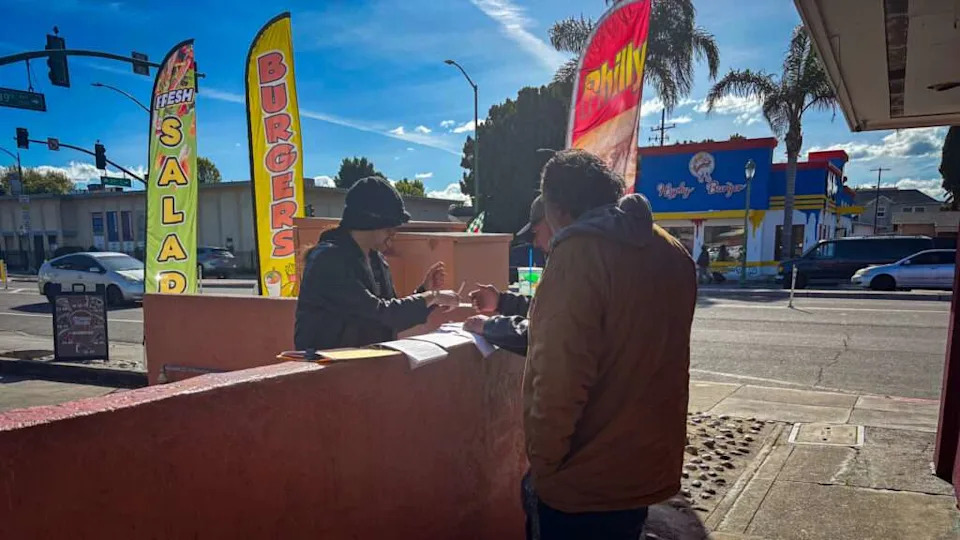
The San Bruno raid illustrates the operation and fallout: a midnight entry by an eight‑person crew, bodycam footage of threats and drawn guns, and a later arrest sweep after footage was posted online. The Oakland effort ended less decisively: a planned breach and ad hoc team of about a half dozen men encountered heavy surveillance, tactical bottlenecks, and an eventual police determination that the dispute was civil — leaving squatters in place.
Where This Leaves Owners, Tenants And Policy
For some property owners, private enforcers appear to be an immediate, if dangerous, fix. For public officials and tenant advocates, these operations amount to vigilantism that undermines the legal process and risks violence. Lawmakers face a difficult trade‑off: accelerate remedies for owners without eroding due process for informal or vulnerable occupants.
The story of Jacobs and his katana is a symptom of that tension: where courts move slowly and police decline involvement, a market emerges for entrepreneurs willing to take physical possession back — with consequences ranging from recovered units to felony indictments and dangerous confrontations.
What Might Help
- Clearer, expedited civil procedures to adjudicate competing possession claims quickly.
- Stronger, targeted criminal enforcement against demonstrable fraud or violent occupation.
- Resources for rehousing and addressing the housing insecurity that fuels squatting.
Until policy and enforcement change, the clash between private enforcers and squatters is likely to continue — sometimes theatrically, sometimes dangerously — with outcomes decided on the street as often as in court.
Help us improve.