Community groups and UK nonprofit Foxglove have lodged a formal objection to Equinix's plan to build two data centres near Cape Town, arguing officials lack essential information on water use, electricity demand and environmental impacts. The proposed facilities could draw up to 160 MW of power and raise questions about backup generation and water needs in a city still wary of the 2017–2018 "Day Zero" drought. Equinix and the site owner have 30 days to respond; the City of Cape Town has up to 180 days to decide.
Community Groups Challenge Equinix Over Cape Town Data Centres, Citing Water, Power and Environmental Gaps
FILE PHOTO: The logo of Equinix is pictured at the entrance of a data center in Pantin, outside Paris, France, December 7, 2016. REUTERS/Benoit Tessier/File Photo
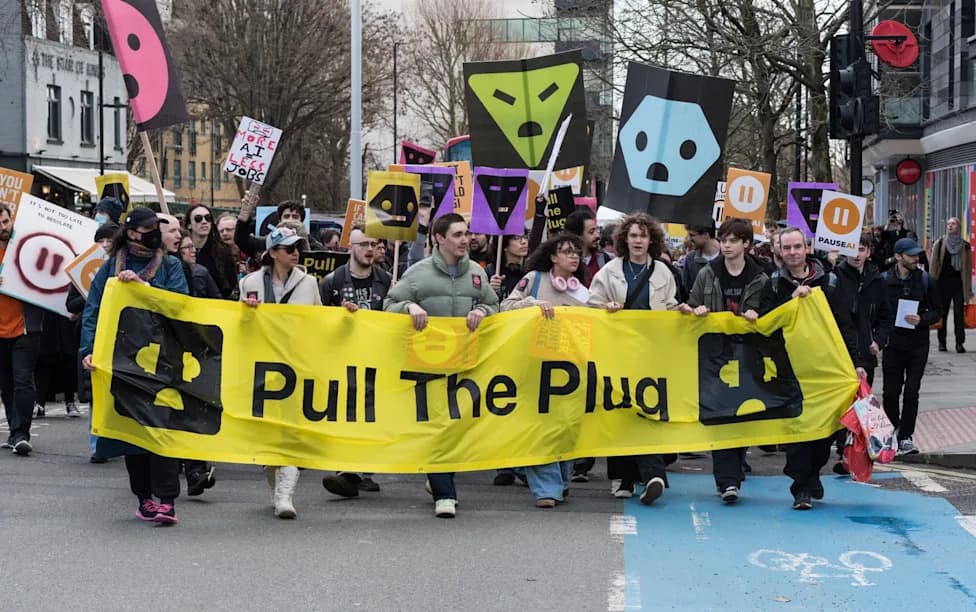
LONDON, May 18 (Reuters) - Community organisations and UK nonprofit Foxglove have filed a formal objection to Equinix's plan to build two large data centres near Cape Town, saying planners should not approve the project until the company provides full disclosure of water, power and other environmental impacts.
Objection Details
The objection, lodged by the Housing Assembly (HA)—which represents more than 20 communities in the Western Cape—and Foxglove, says the planning application lacks the key information officials need to assess the development. The document raises concerns about projected electricity demand, backup power systems, water use, emissions, noise and air pollution.
"There is simply not enough information for a decision on a project of this scale, with no substantive detail on water use, emissions, electricity demand, diesel generators, air pollution, noise or even the buildings themselves," said Rosa Curling, co-executive director at Foxglove.
Scale and Local Concerns
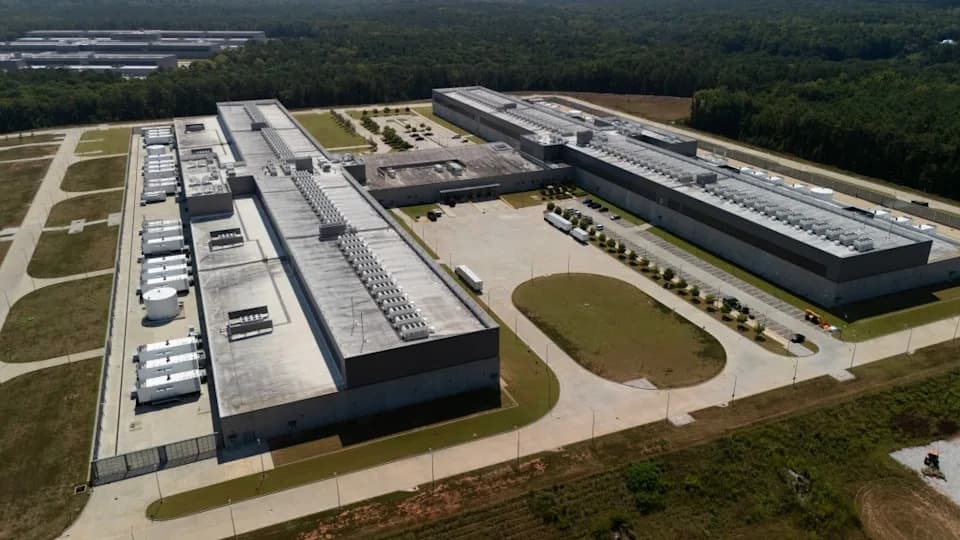
The proposal covers two data centres in Cape Town with a combined estimated power demand of up to 160 megawatts, according to the objection. The filing specifically asks what type and scale of backup generation will be installed—an issue that has implications for emissions, noise and local air quality.
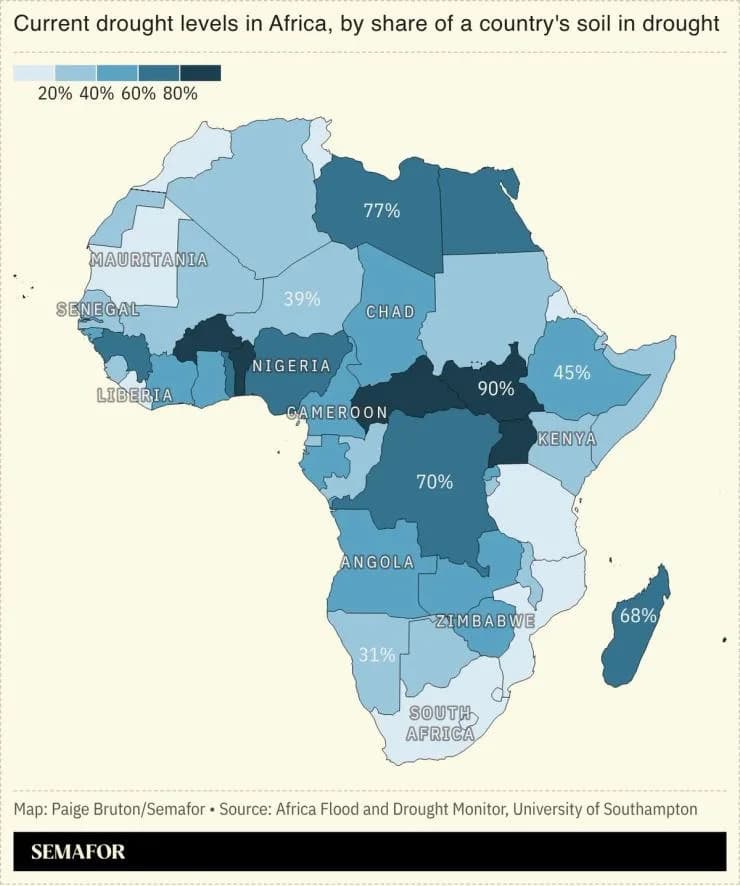
Water demand is another focal point. Cape Town faced an acute drought in 2017–2018—the so-called "Day Zero" crisis—when authorities nearly shut off household taps after reservoirs dropped to dangerously low levels. Critics say large, new industrial water users warrant careful scrutiny in that context.
"There seems to be this rush to develop data centres without people properly thinking through what the impact will be," said Saadiyah Kwada, an attorney at the Legal Resources Centre in Cape Town.
Responses And Timeline
Equinix, which operates a Johannesburg site it says runs on 100% renewable energy, declined to comment on the objection. King David Golf Club—the owner of the King Air Industrial site where the centres would be built—and Equinix have 30 days to respond to the filing; the City of Cape Town then has up to 180 days to make a decision, the documents say. King Air Industrial (KAI) declined to comment and the city did not respond to requests for comment.
Broader Context
The dispute comes as South Africa's government seeks to attract investment in digital infrastructure, including data centres, through tax incentives and policy reforms intended to expand connectivity and lower regulatory barriers. As technology companies scale global computing capacity, similar local concerns about electricity, water and pollution have emerged in other regions.
(Editing by Simon Jessop and Kirsten Donovan)
Help us improve.