Nearly 60% of self-employed women in Nigeria use WhatsApp to earn income, the highest rate among four countries in a new Caribou study. Around 1 in 6 working-age women across India, Kenya, Nigeria and Pakistan rely on WhatsApp for their livelihoods. The report cites Nigeria’s small-scale retail and home-production sectors as a good match for WhatsApp’s communication-first strengths but warns that device shortages and high data costs remain major barriers. Co-author Jonathan Donner says carefully designed AI could help close an income-related divide by making more women visible to domestic and international markets.
Nearly 60% Of Self-Employed Women In Nigeria Use WhatsApp To Earn Income, Study Finds
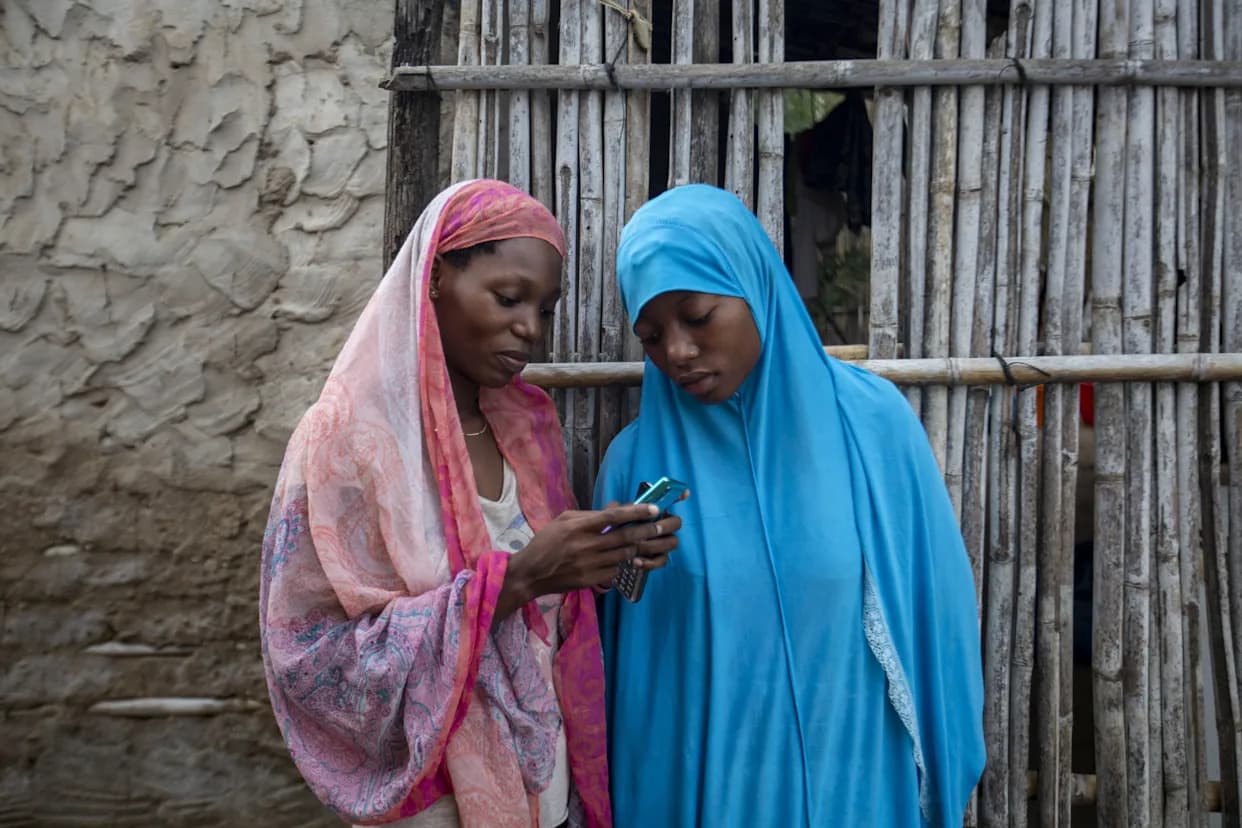
Nearly 60% of self-employed women in Nigeria use WhatsApp to generate income — the highest share among four countries covered by a new study from consultancy group Caribou.
Key Findings
Across India, Kenya, Nigeria and Pakistan, about 1 in 6 working-age women use WhatsApp to support their livelihoods. The report points to Nigeria’s large informal economy — dominated by small-scale retail, personal services and home-based production — as a natural fit for WhatsApp’s communication-first design.
However, substantial access barriers remain. Many women lack internet-enabled devices and face high mobile data costs, which limit who can use the platform and how effectively they can grow their businesses.
“We need to intentionally build AI systems to support women all across the income stack, helping women become more visible in domestic and international markets,”
Implications
The study identifies a secondary digital divide: higher-income women are currently better positioned to convert WhatsApp use into business growth. The authors suggest that thoughtfully designed AI tools could help lower-income women access marketing, customer management and cross-border opportunities, narrowing that gap if privacy, affordability and accessibility are prioritized.
Source: Caribou (consultancy group) study of WhatsApp use among working-age women in India, Kenya, Nigeria and Pakistan.
Help us improve.