TRAI has ordered caller‑ID and call‑management apps in India to send user spam reports to a blockchain platform run by telecom operators, a change Truecaller calls "anti‑competitive." The rule links third‑party spam flags to telecom enforcement while keeping exemptions for designated number ranges that apps cannot blanket‑block. The amendments also fold automated and AI‑driven calls into the A2P framework, requiring prior disclosure and allowing operators to levy a small termination fee. Experts say the rules leave key questions on data scope, user consent, and enforcement unanswered.
India Orders Caller‑ID Apps To Share Spam Reports With Telecoms; Truecaller Calls It Anti‑Competitive
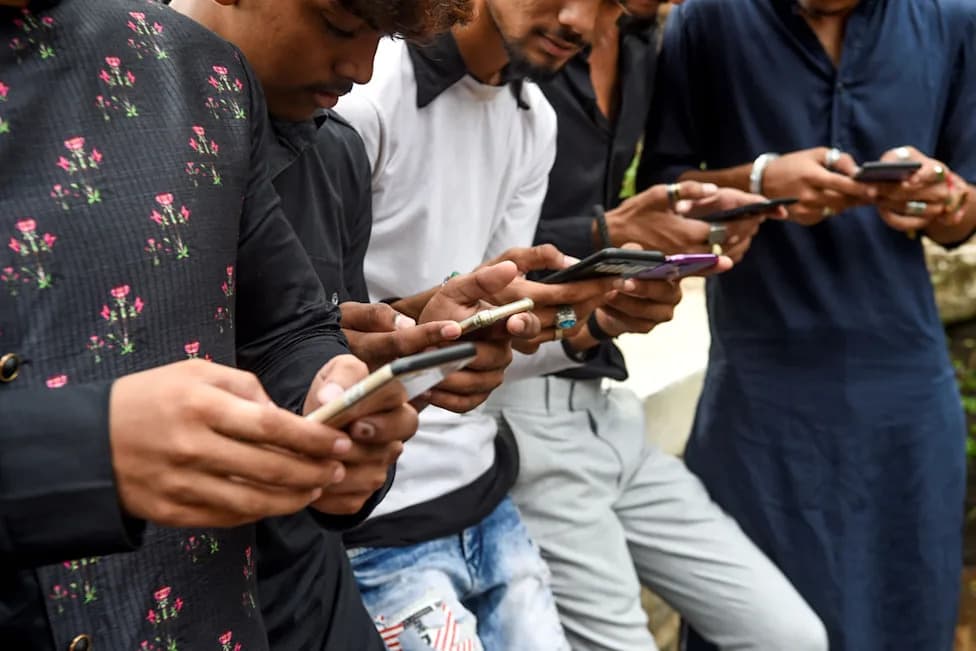
Image Credits:INDRANIL MUKHERJEE/AFP / Getty Images
The Telecom Regulatory Authority of India (TRAI) has expanded its anti‑spam rules to require caller‑ID and call‑management apps to forward user spam reports to a blockchain platform run by telecom operators. The move, announced on Friday, links third‑party spam flags to the telecom industry's enforcement infrastructure — a change that has drawn a sharp reaction from spam‑blocking app maker Truecaller.
What TRAI Changed
TRAI amended the rules governing commercial communications to make it mandatory for apps that let users mark calls as spam or junk to transmit those reports to a central, blockchain‑based system maintained by telecom operators. TRAI says the measure is intended to widen the pool of actionable spam reports and improve enforcement against spammers.
Industry Reaction
Truecaller described the requirement as a "one‑way exchange" that it considers "anti‑competitive," arguing the rule transfers commercially valuable data from independent call‑management apps to telecom operators. India is Truecaller's largest market, accounting for more than 350 million of its 500+ million monthly active users worldwide. The Stockholm‑based company combines community reports with automated detection and other signals to identify and block spam calls.
"While our data and user sentiment clearly show that spam has skyrocketed due to this free pass to spammers, we have been compliant with this since late last year," a Truecaller spokesperson said.
Scale Of The Problem
India faces a very large volume of spam and fraudulent calls. In a February report, Truecaller said users in India encountered around 42 billion spam calls in 2025 (including blocked, labeled, and ignored calls) and that the company blocked nearly 12 billion spam calls during the year.
Limits And Exemptions
The amendments preserve an existing exemption that prevents call‑management apps from blanket‑blocking, auto‑tagging, or filtering calls from certain government‑designated number ranges used for promotional, service, and transactional communications. TRAI said individual users retain the right to block those calls on their own devices.
Data‑Sharing, Privacy And Enforcement Questions
Experts say the rules leave important technical, jurisdictional and privacy questions unanswered. Sumeysh Srivastava, a partner at The Quantum Hub, noted the change effectively bridges two layers: telecom operators run the network and the blockchain anti‑spam system, while caller‑ID apps operate on top to detect and filter calls. That raises questions about reporting standards, enforcement against non‑operator companies, and how the new rule will be implemented.
Kazim Rizvi, founding director of policy think tank The Dialogue, emphasized the legal and privacy distinction between sending an individual user's spam report and sharing broader datasets, reputation scores or analytical models. He said TRAI will need to clarify what exact information must be transmitted, how users are notified or asked for consent, and how shared data can be retained and reused.
TRAI did not respond to TechCrunch's questions about the precise data apps will be required to share or whether the rule applies to built‑in spam‑reporting features in smartphone operating systems and native dialers such as Android and iOS.
Automated Calls And AI Agents
The amendments also bring automated and AI‑generated voice calls under TRAI's application‑to‑person (A2P) framework. Calls placed automatically — including robocalls and those using prerecorded or synthetic voices — must be declared in advance to telecom operators, with undeclared A2P calls treated as spam.
Satya N. Gupta, a former additional secretary at TRAI, said the rules do not ban businesses from using AI or automated calling technologies; they require disclosure to telecom operators. Telecom operators are allowed to charge a termination fee of up to 5 paise per minute (roughly 0.052 US cents) on A2P calls, although calls using certain designated number ranges will be exempt from that fee.
Experts warn the A2P definition could unintentionally sweep in calls where software is used but a person still plays a role — such as contact‑center or click‑to‑call services — unless TRAI clarifies how initiation and human involvement are distinguished.
What’s Next
TRAI's announcement lays out a broad regulatory direction but leaves implementation details unclear: what data formats and reporting standards apps must follow, how user consent will be handled, whether enforcement will rely on IT‑law provisions proposed in a March draft, and how the rules will be applied to smartphone OS features. Those unanswered questions are likely to shape follow‑on disputes between regulators, telecom operators, and third‑party app makers.
Help us improve.