Key Points: Sneezing is an ancient defensive reflex triggered by nasal receptors that send signals to a brainstem "sneeze center." The reflex produces a coordinated inhalation, glottis closure, pressure build-up and an explosive release that can reach ~100 km/h (62 mph). Eyelid closure is due to facial-muscle activation and likely helps protect the eyes. About 25% of people have the photic sneeze (ACHOO), linked to heightened visual and sensory cortex activity.
Why Do We Sneeze? The Evolution, Mechanics, and the Photic “ACHOO” Reflex
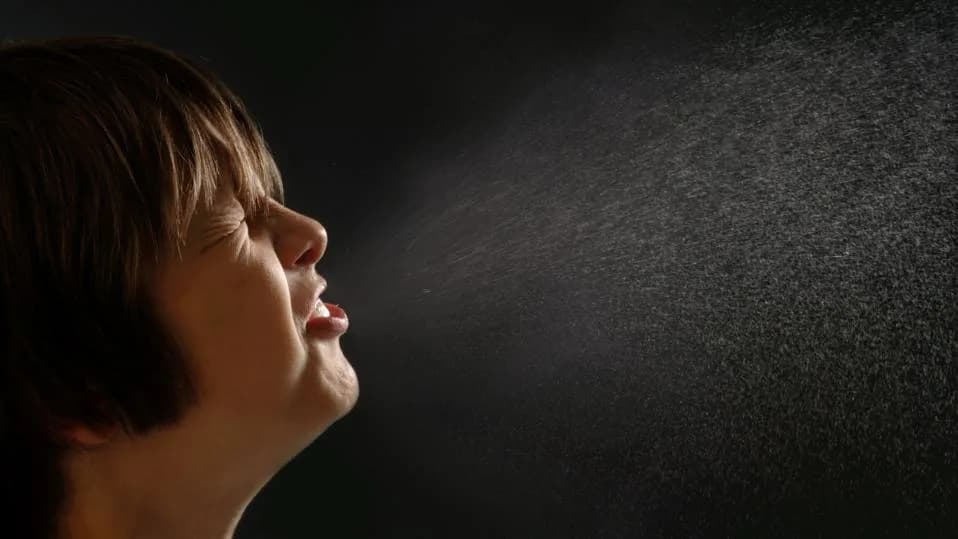
Why does a sneeze take over your whole face? And why can light trigger it in some people? The answers lie in brain evolution and sensory wiring.getty
A sneeze can transform a calm conversation into a dramatic, involuntary performance. Behind the chaos is an ancient, highly coordinated defense designed to protect the respiratory tract. Modern research has clarified how sneezes are triggered, why our eyes usually shut, and why bright light provokes sneezing in some people.
How a Sneeze Works
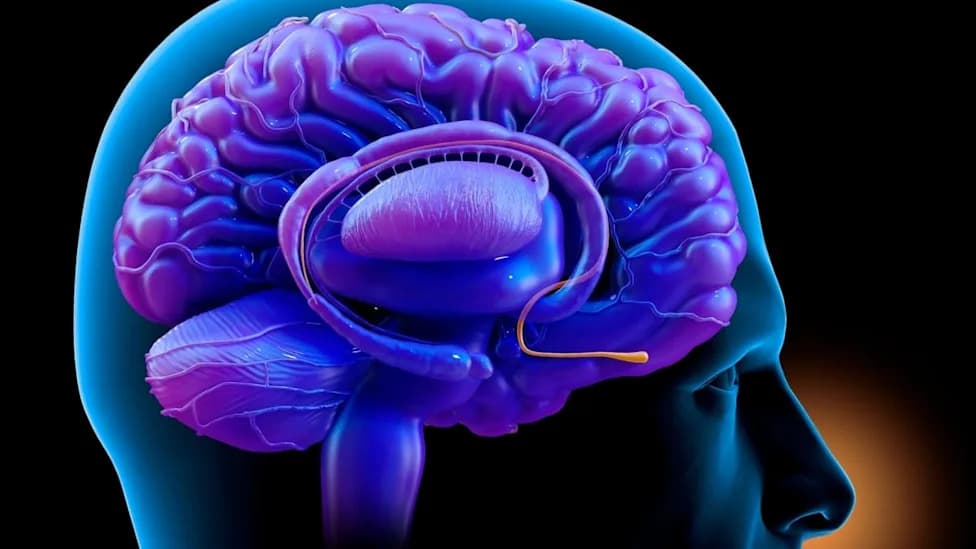
Sneezing begins when specialized sensory receptors in the nasal lining detect irritation — from dust, pollen, pepper compounds, cold air, viral particles, inflammatory chemicals or a lodged particle. Those signals travel mainly along branches of the trigeminal nerve to brainstem circuits often called the “sneeze center.”
The brain then orchestrates a rapid sequence: a deep inhalation, closure of the glottis while chest and abdominal muscles contract to build pressure, and a sudden opening of the glottis that ejects air through the nose and mouth. That burst can reach speeds near 100 km/h (62 mph), and the entire event unfolds in fractions of a second.
Why Sneezing Helps
Traditionally, sneezing has been seen mainly as a way to expel irritants and prevent them from reaching deeper airways. Recent work suggests an additional role: redistribution of mucus across the nasal cavity. This helps trap and dilute particles and microbes, supporting the nose’s local immune defenses rather than only blasting material outward.
Why Do Our Eyes Close?
The common myth that eyes close during a sneeze to prevent them from popping out is false. Anatomically, eyes are securely anchored in the orbit. Instead, eye closure is explained by the coordinated activation of facial muscles during the sneeze reflex. The orbicularis oculi — the muscles that shut the eyelids — are recruited alongside respiratory muscles. Reflexive blinking likely provides modest protection by shielding the eyes from mucus and debris crossing the face.
Some people can keep their eyes partially open if they consciously try, which shows the blink is strongly linked but not absolutely irreversible.
The Photic Sneeze Reflex (ACHOO)
Roughly 25% of people sneeze when exposed to bright light — a trait known as the photic sneeze reflex or Autosomal Cholinergic Helio-Ophthalmologic Outburst (ACHOO) syndrome. Early ideas blamed simple brainstem cross-talk, but EEG studies (for example, a 2010 study in PLOS One) point to heightened cortical involvement.
Photic sneezers show increased excitability in visual regions (notably the cuneus) and greater activation in sensory-integration areas such as the insula and secondary somatosensory cortex. In short, unusually strong visual processing can co-activate brain regions linked to nasal sensation, producing sneezes in sunlight.
Which Animals Sneeze?
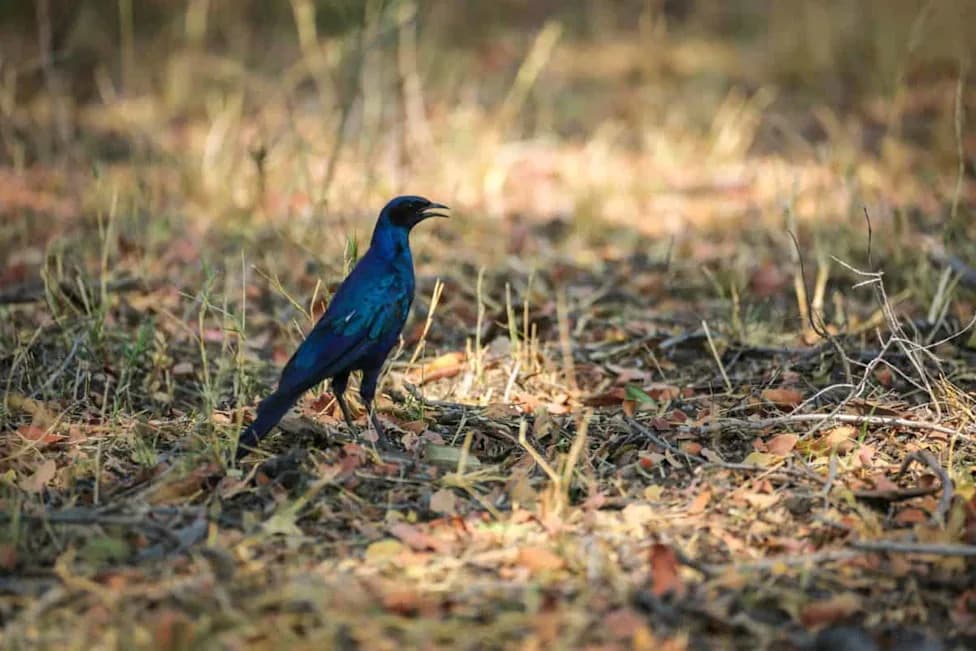
Many mammals — including dogs, cats, horses, primates and rodents — produce sneezes. Birds and some reptiles can perform sneeze-like expulsions. A true mammalian sneeze typically requires: a pressurized air-breathing system, sensory receptors for irritation, neural pathways to coordinate the reflex, and an airway capable of expelling material.
Animals such as fish and insects lack this combination in the mammalian sense: fish move water across gills rather than air through nasal passages, and insects rely on spiracles and tracheae without a centralized airway to clear — so they don’t sneeze like mammals do.
Evolutionary Perspective
Sneezing is closely tied to life on land and the challenges of breathing contaminated air. Once pressurized air-breathing evolved, organisms benefited from mechanisms that protect delicate respiratory tissues. Despite its spectacle, sneezing is probably one of evolution’s oldest and most practical housekeeping behaviors.
Takeaway
Sneezing is an efficient, evolutionarily conserved reflex that combines sensory detection, rapid neural coordination and muscular power. It expels and redistributes mucus and particulates, blinks to protect the eyes, and — in some people — can be triggered by bright light because of heightened visual-sensory brain responses.
Help us improve.