Prime Minister Narendra Modi has reduced his motorcade to save fuel, days after urging the public to adopt austerity amid surging energy prices. Security coverage remains in place under Special Protection Group protocols, and reductions were applied for visits to Gujarat and Assam. Modi also requested electric vehicles be used where feasible without new purchases. The move reflects concerns that higher oil prices could widen India’s current account deficit and increase inflationary pressure.
Modi Shrinks Motorcade to Conserve Fuel After Call for National Austerity, Source Says
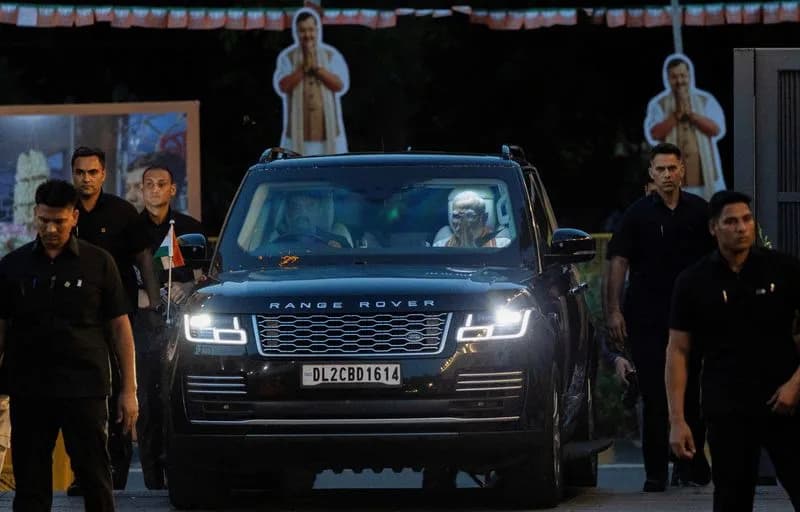
India's Prime Minister Narendra Modi arrives at the Bharatiya Janata Party (BJP) headquarters as the BJP won the Assam state assembly election and was on course to win West Bengal, in New Delhi, India, May 4, 2026. REUTERS/Adnan Abidi
NEW DELHI — Indian Prime Minister Narendra Modi has "significantly" reduced the size of his motorcade to conserve fuel, a government source told Reuters on May 13. The move comes days after Modi urged citizens to adopt austerity measures as global energy prices surged amid rising tensions in the Middle East.
On Sunday, Modi appealed for voluntary cutbacks including avoiding unnecessary foreign travel, using public transport, reducing gold purchases and trimming cooking oil consumption to help protect the country's foreign exchange reserves.
Critics on social media questioned the scale of motorcades used by senior politicians, Modi’s domestic air travel and his planned trip to Europe on an official aircraft following the appeal. The government source said the number of vehicles in Modi’s motorcade was curtailed while preserving essential security elements in line with Special Protection Group (SPG) protocols, but did not disclose the new convoy size. Before the reduction, the motorcade was reported to include about a dozen vehicles.
The source said motorcades were scaled down for Modi’s visits this week to his home state of Gujarat and to the northeastern state of Assam. The prime minister also requested that electric vehicles be used in his motorcade where feasible, without authorising any new vehicle purchases.
The official spoke on condition of anonymity because they were not authorised to speak to the media. The Prime Minister’s Office did not immediately respond to a request for comment.
Economic Context
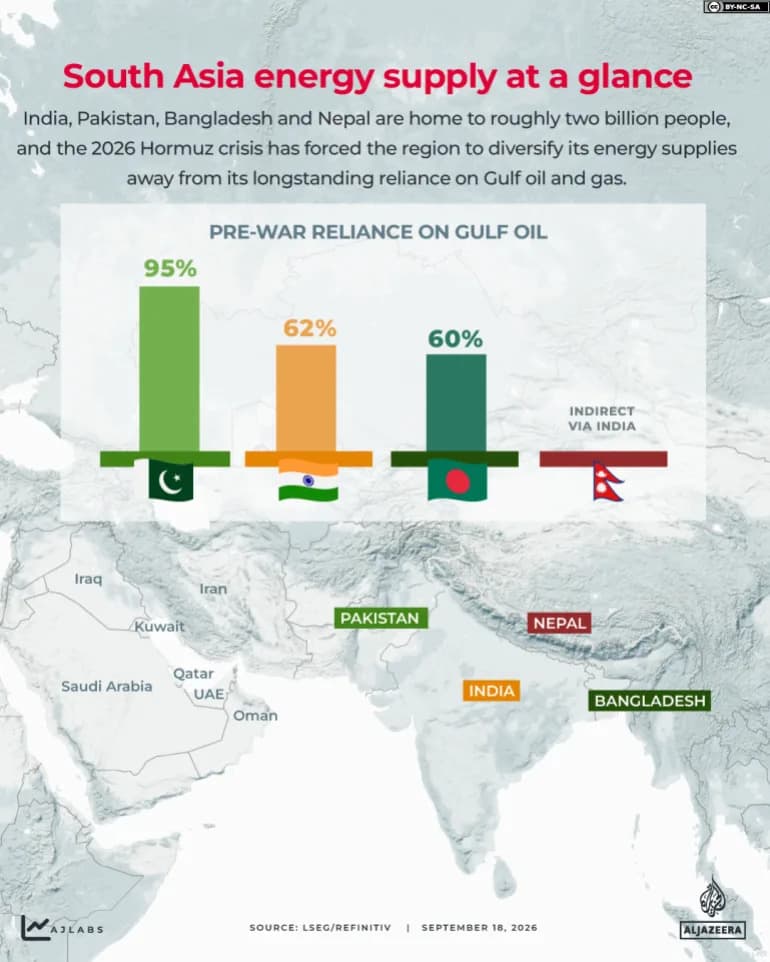
India, the world’s third-largest oil importer and consumer, relies heavily on shipments that transit the Strait of Hormuz. Disruptions and higher crude prices linked to broader Middle East tensions risk widening India’s current account deficit, slowing growth and stoking inflation. So far, India has avoided raising petrol and diesel prices, but authorities consider an increase likely if global energy costs remain elevated.
(Reporting by Saurabh Sharma; Writing by Shanima Aniyeri in Mumbai; Editing by YP Rajesh and Kate Mayberry)
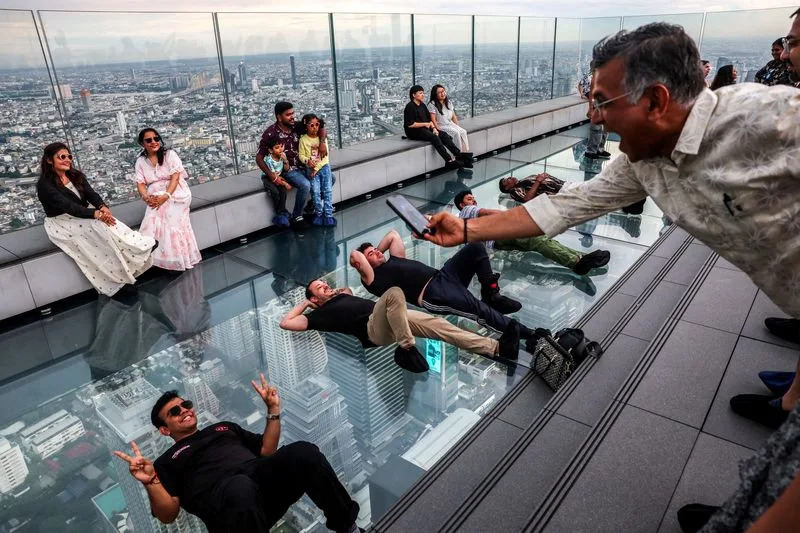
FILE PHOTO: Tourists pose as they enjoy the Mahanakhon Skywalk Rooftop at Mahanakhon building in Bangkok, Thailand, May 15, 2025. REUTERS/Athit Perawongmetha/File Photo
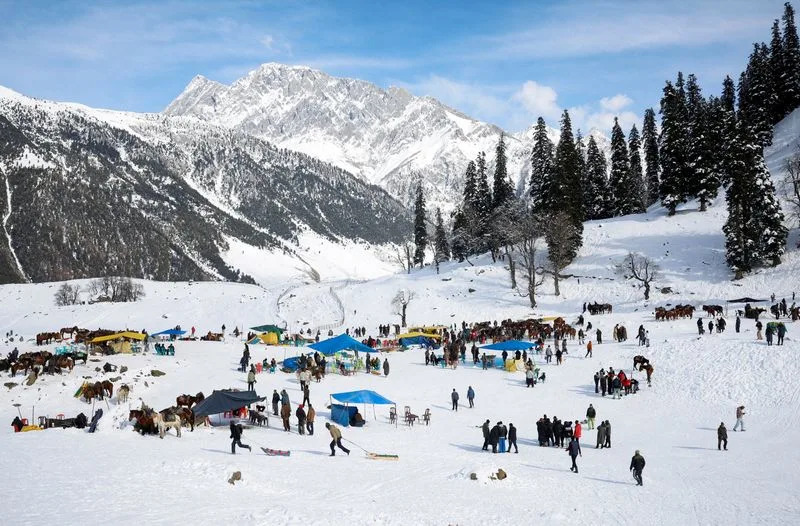
FILE PHOTO: Tourists gather on a snow-covered hill station in Sonamarg, one of the main tourist attractions in Ganderbal district, Indian Kashmir, January 6, 2026. REUTERS/Sharafat Ali/File Photo
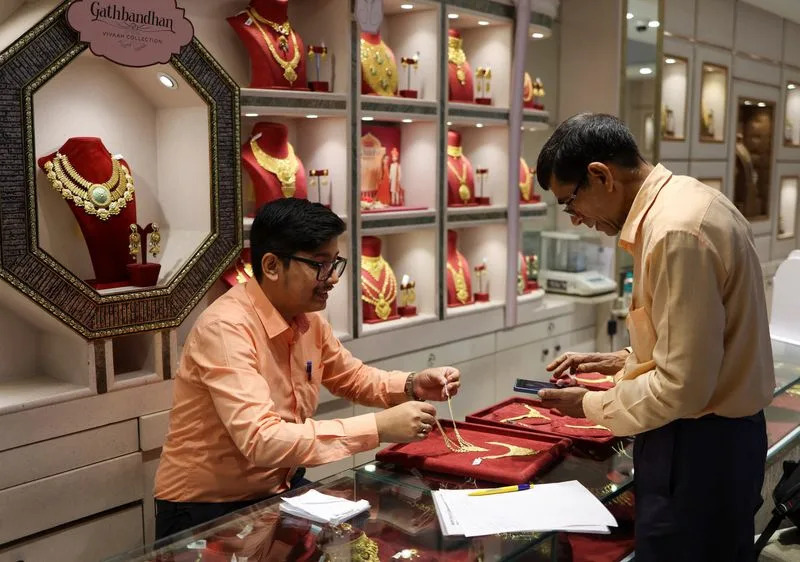
A customer looks at gold jewellery for purchase inside a Senco Gold & Diamonds jewellery showroom in Kolkata, India, January 28, 2026. REUTERS/Sahiba Chawdhary
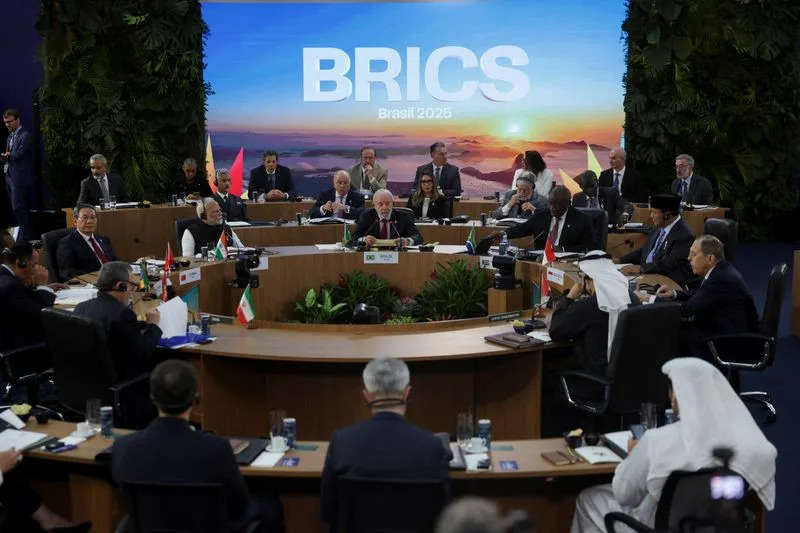
Brazil's President Luiz Inacio Lula da Silva, China's Premier Li Qiang, India's Prime Minister Narendra Modi, South Africa's President Cyril Ramaphosa, Russia's Foreign Minister Sergei Lavrov and other leaders, attend the opening meeting of BRICS Summit, at the Museum of Modern Art (MAM) in Rio de Janeiro, Brazil July 6, 2025. REUTERS/Ricardo Moraes
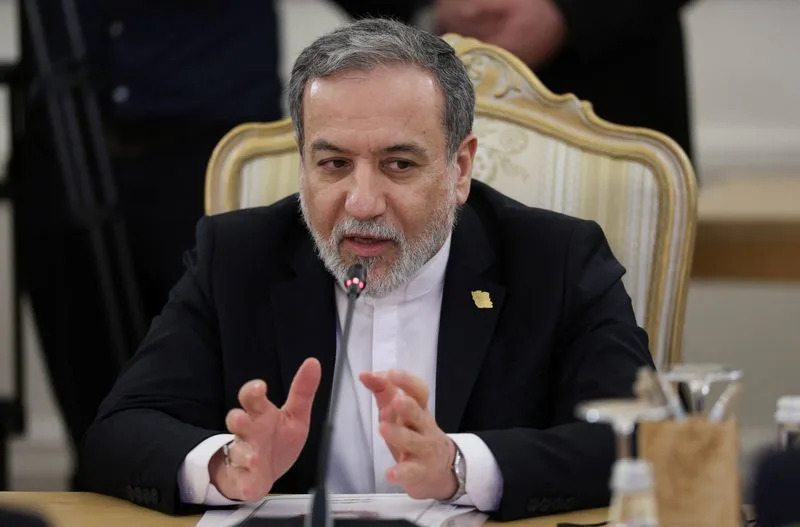
Iranian Foreign Minister Abbas Araqchi speaks during a meeting with Russian Foreign Minister Sergei Lavrov in Moscow, Russia, December 17, 2025. REUTERS/Ramil Sitdikov/Pool
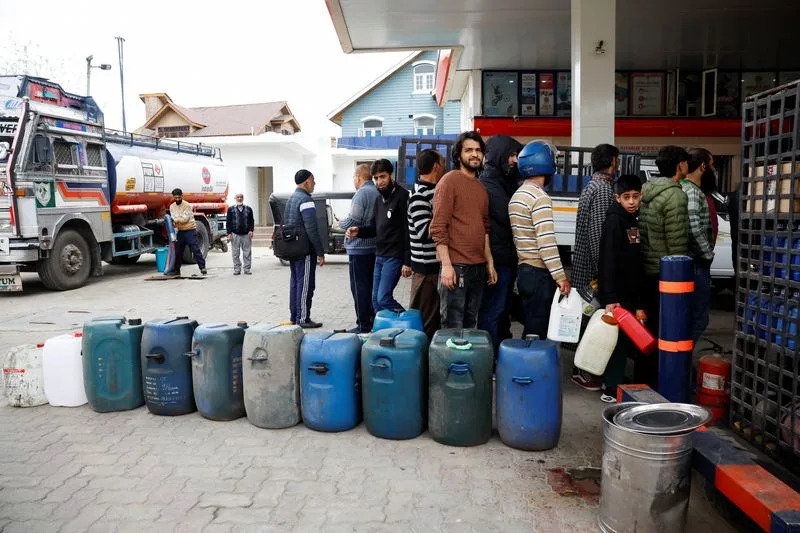
People queue to fill petrol in cans and vehicles, amid concerns over potential supply disruptions, despite authorities saying there are no shortages, amid the ongoing U.S.-Israeli conflict with Iran, in Srinagar, Indian Kashmir, March 26, 2026. REUTERS/Sharafat Ali
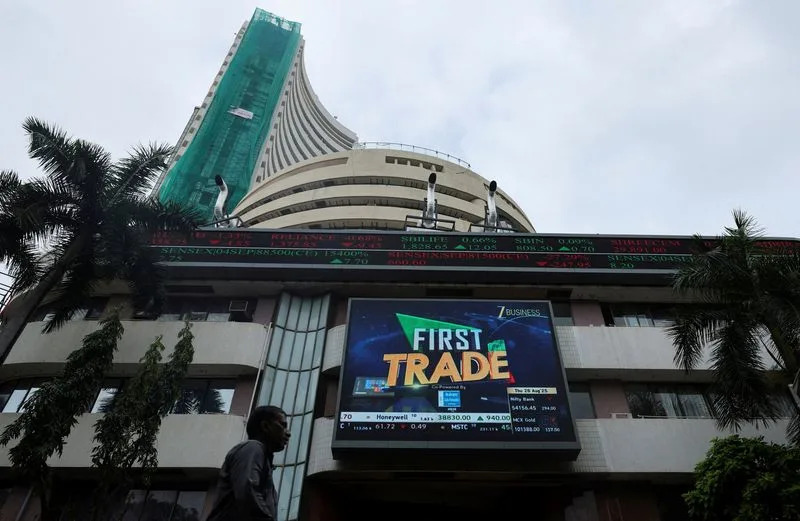
FILE PHOTO: A man walks near a screen outside the Bombay Stock Exchange (BSE) in Mumbai, India, August 28, 2025. REUTERS/Francis Mascarenhas/File Photo
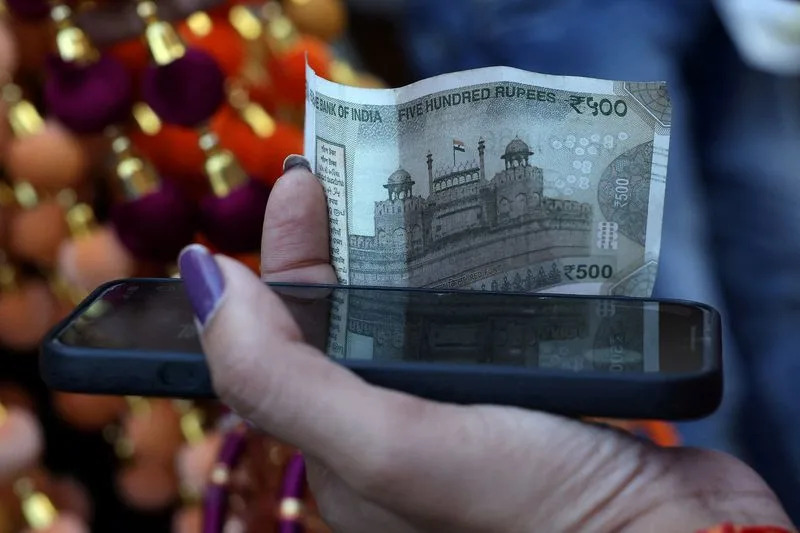
FILE PHOTO: A woman holds a five-hundred-rupee currency note in the old quarters of Delhi, India, September 25, 2025. REUTERS/Bhawika Chhabra/File Photo
Medicines are seen in this illustration taken, June 27, 2024. REUTERS/Dado Ruvic/Illustration
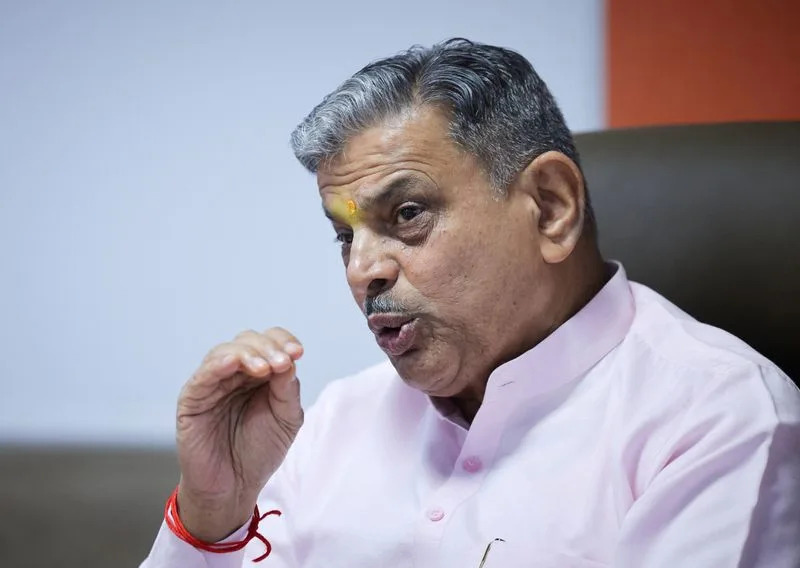
Dattatreya Hosabale, general secretary of the Rashtriya Swayamsevak Sangh (RSS), speaks to journalists during a briefing with foreign media at the RSS office in New Delhi, India, May 12, 2026. REUTERS/Anushree Fadnavis
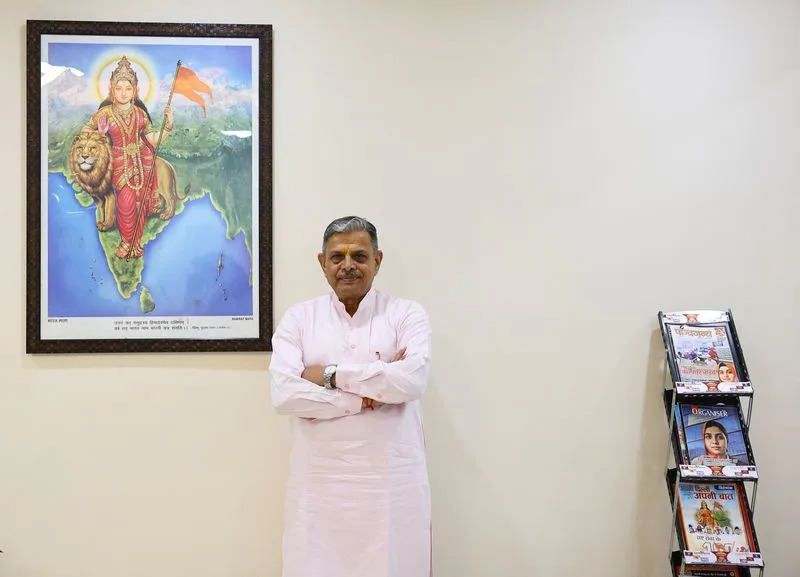
Dattatreya Hosabale, general secretary of the Rashtriya Swayamsevak Sangh (RSS), poses for a photograph during a briefing for foreign media at the RSS office in New Delhi, India, May 12, 2026. REUTERS/Anushree Fadnavis
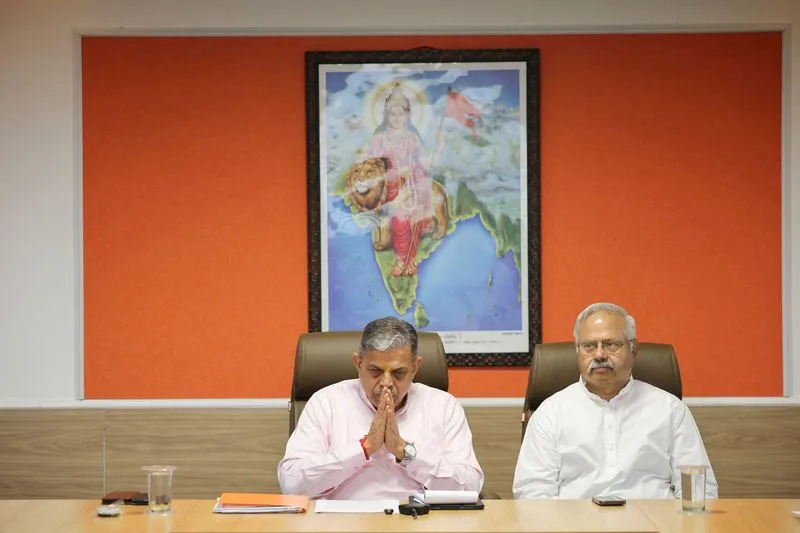
Dattatreya Hosabale, general secretary of the Rashtriya Swayamsevak Sangh (RSS), and Sunil Ambekar, RSS national publicity head, greet journalists during a briefing with foreign media at the RSS office in New Delhi, India, May 12, 2026. REUTERS/Anushree Fadnavis
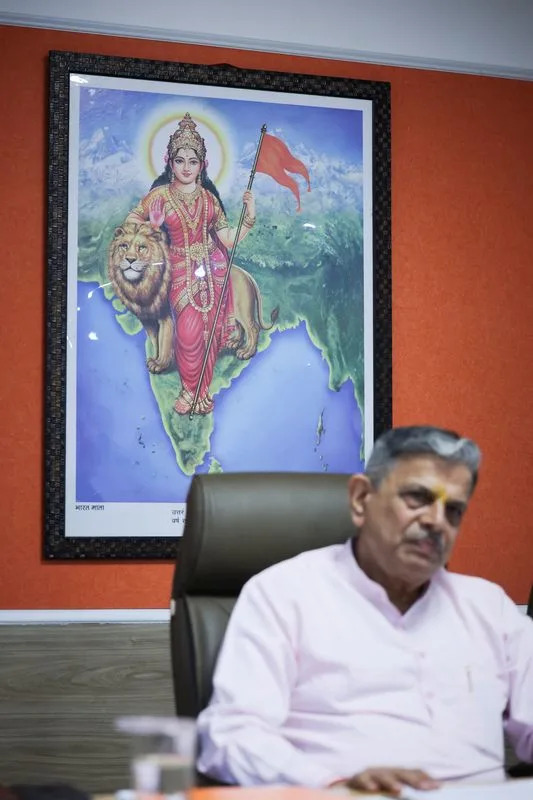
Dattatreya Hosabale, general secretary of the Rashtriya Swayamsevak Sangh (RSS), speaks to journalists during a briefing with foreign media at the RSS office in New Delhi, India, May 12, 2026. REUTERS/Anushree Fadnavis
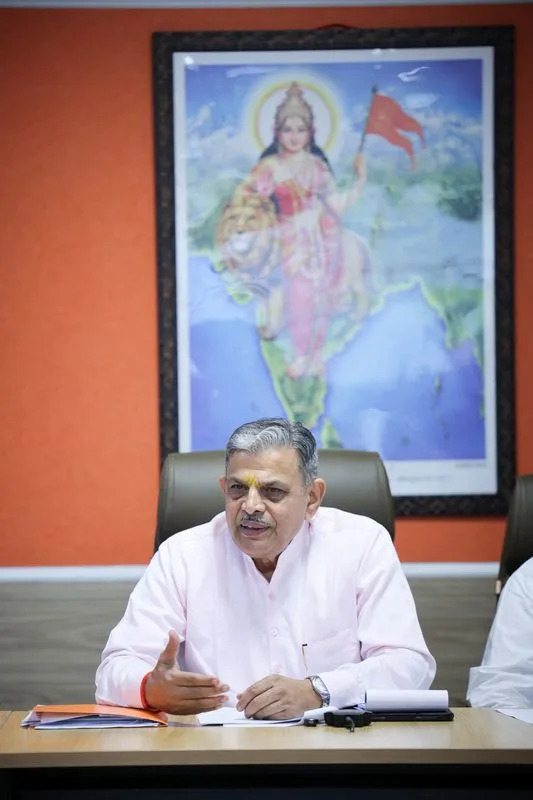
Dattatreya Hosabale, general secretary of the Rashtriya Swayamsevak Sangh (RSS), speaks to journalists during a briefing with foreign media at the RSS office in New Delhi, India, May 12, 2026. REUTERS/Anushree Fadnavis
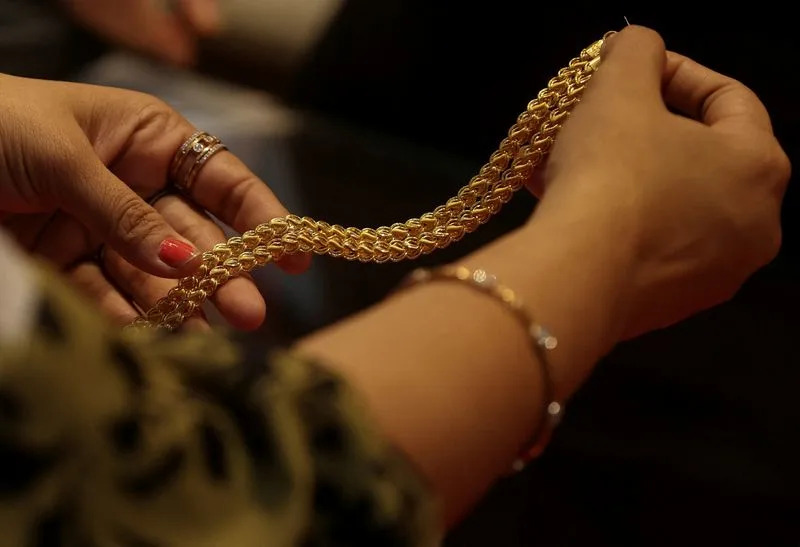
FILE PHOTO: File Photo: A customer holds a gold chain at a jewellery store in Mumbai, India, January 30, 2026. REUTERS/Francis Mascarenhas/File Photo/File Photo
Help us improve.