The Federal Court ordered Fortescue to pay the Yindjibarndi people more than Aus$150 million in cultural compensation after extensive mining damaged their traditional lands in Western Australia’s Pilbara. Judge Stephen Burley found 124 of 240 designated heritage sites were destroyed and over 135 sq km were fenced off for the Solomon mining hub. The award is the largest under Australia’s native title laws but falls short of the amounts the Yindjibarndi sought. Advocates say the case highlights wider unpaid compensation owed to Traditional Owners and may spur further claims.
Federal Court Orders Fortescue To Pay Over Aus$150 Million To Yindjibarndi For Cultural Loss
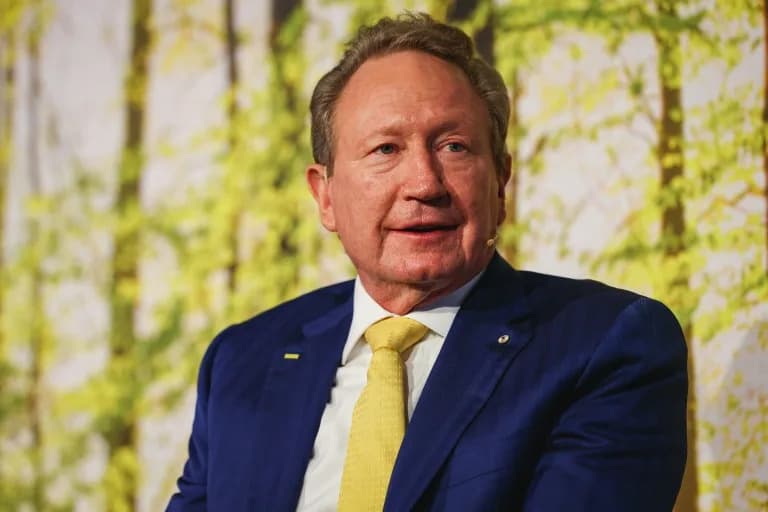
Andrew Forrest, chairman of Fortescue iron ore mining group which has been ordered to pay compensation to the Yindjibarndi people in Western Australia's Pilbara region (Adrian DENNIS)(Adrian DENNIS/AFP/AFP)
An Australian Federal Court has ordered Fortescue Metals Group to pay the Yindjibarndi people more than Aus$150 million in cultural compensation for extensive mining on their traditional lands in Western Australia’s Pilbara region.
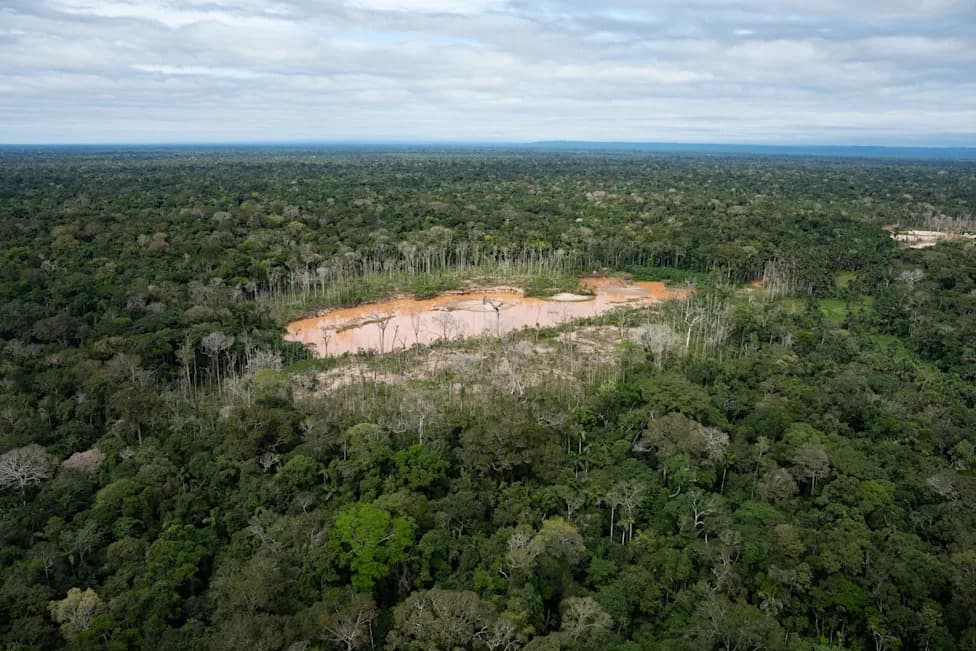
Federal Court Judge Stephen Burley detailed how four large open‑pit mines, a railway line, a tailings dam, multiple waste dumps and a stockpile were spread across Yindjibarndi country. More than 135 square kilometres were fenced off for the Solomon mining hub, preventing access even for traditional owners because of safety concerns.
Of 240 sites formally identified as Indigenous "heritage sites," the judge found 124 had been "completely destroyed" by mining activities; others were excavated, buried beneath roads or submerged by the tailings dam.
Judge Burley awarded a relatively small monetary payment of about Aus$100,000 based on the freehold value of the land, but separately assessed cultural loss at Aus$150 million — a figure described in the ruling as the largest compensation order under Australia’s native title laws to date.
The Yindjibarndi Ngurra Aboriginal Corporation had sought more than Aus$800 million for economic losses and roughly Aus$1 billion for cultural losses. Fortescue, chaired by Andrew Forrest, had argued cultural compensation should be no more than Aus$8 million and said it "accepts that the Yindjibarndi People are entitled to compensation," while pointing to its relationships with Indigenous communities in the Pilbara.
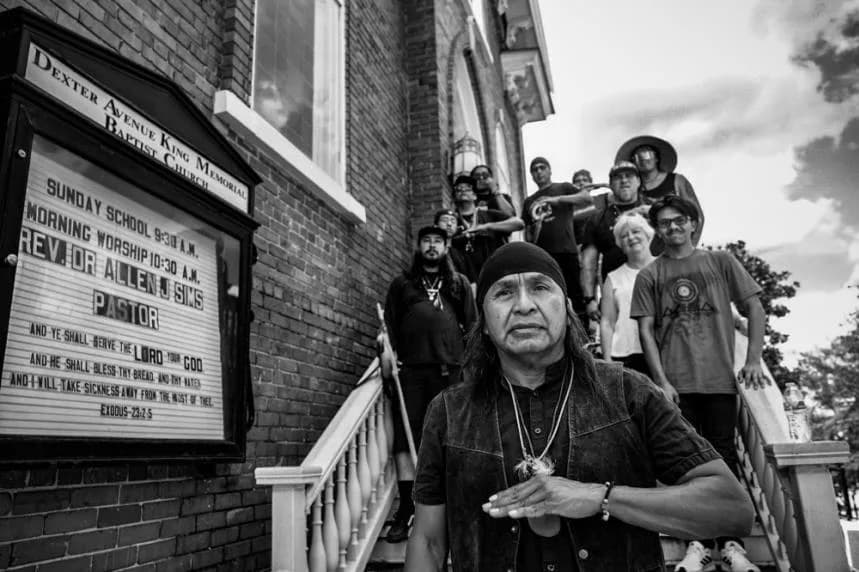
Witness Testimony: Yindjibarndi witness Middleton Cheedy told the court: "I have been traumatised throughout my life by racism, deaths in my family, alcohol coming into our community... Watching the old people try to save the Harding River but the mine is like a death for me. It has killed all the things that are important to the Yindjibarndi people."
The National Native Title Council said the ruling highlights how much compensation remains unpaid to Traditional Owner organisations nationwide. Although native title over the land was recognised more than two decades ago, the Yindjibarndi spent four years pursuing compensation in court.
Advocates note the judgment underscores broader disparities facing Indigenous Australians — including higher incarceration rates, disproportionate deaths in custody and a life expectancy roughly eight years shorter than the non‑Indigenous population — and could prompt further legal claims and closer scrutiny of mining companies' consultation and heritage management practices.
Help us improve.