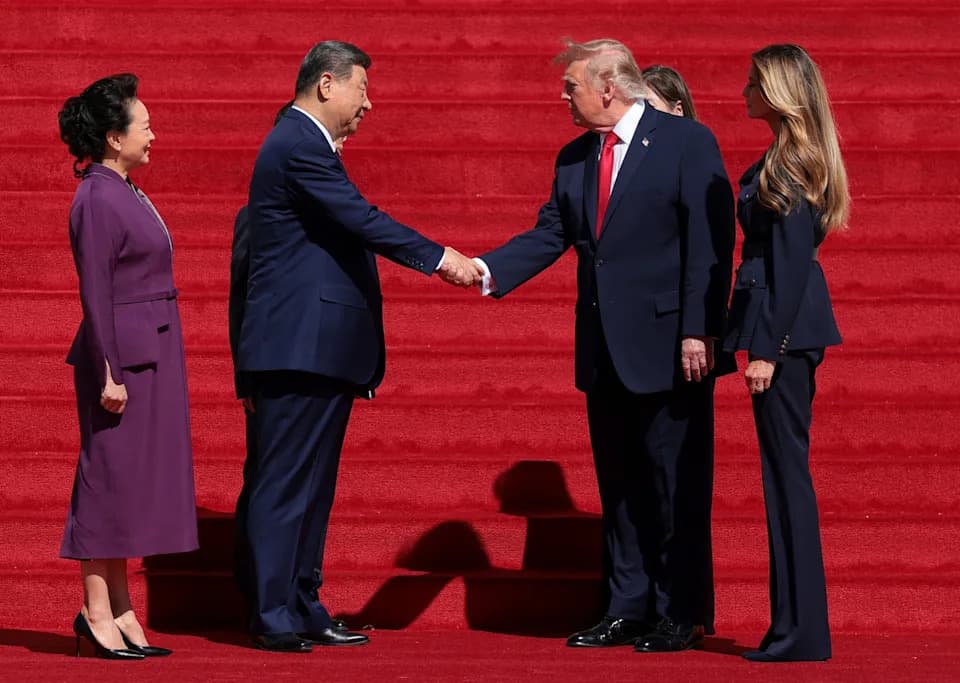
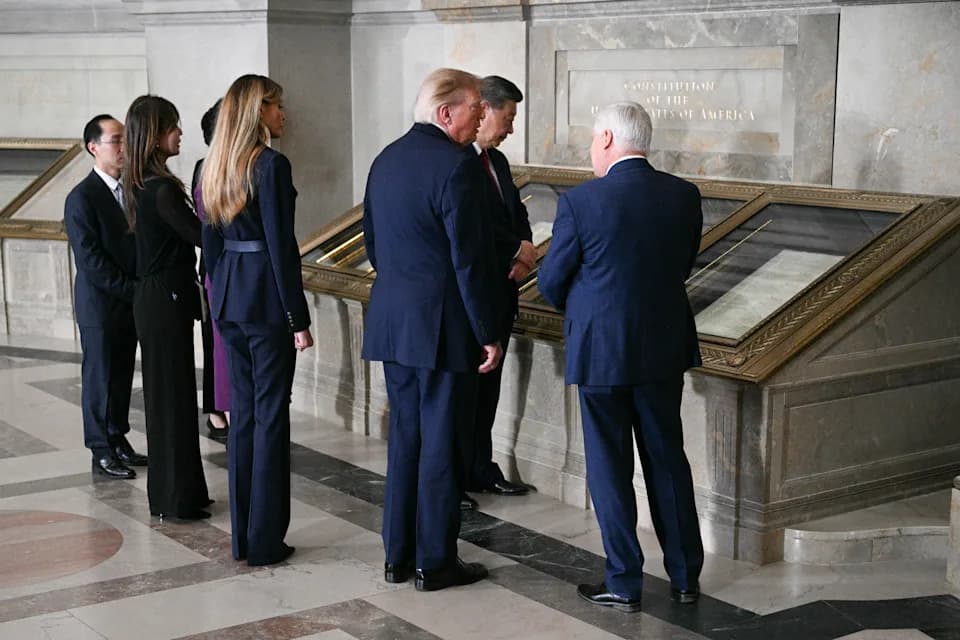
Religious-freedom organizations, Christian groups and human-rights advocates are urging President Trump to press Xi Jinping over the crackdown on religious minorities in China, including underground Christian churches, Uyghurs and Tibetan Buddhists. They highlight high-profile cases such as Pastor Ezra Jin and Uyghur scholar Ilham Tohti, and campaigns like "Two Empty Chairs" calling for their release. Human Rights Watch warns that Beijing’s policies and the 2018 Holy See–China agreement have intensified pressure on Catholics, while USCIRF leaders urge the U.S. to raise these concerns directly at the summit.
Religious Groups Urge Trump To Press Xi Over Crackdown On Christians And Uyghurs Ahead Of Summit
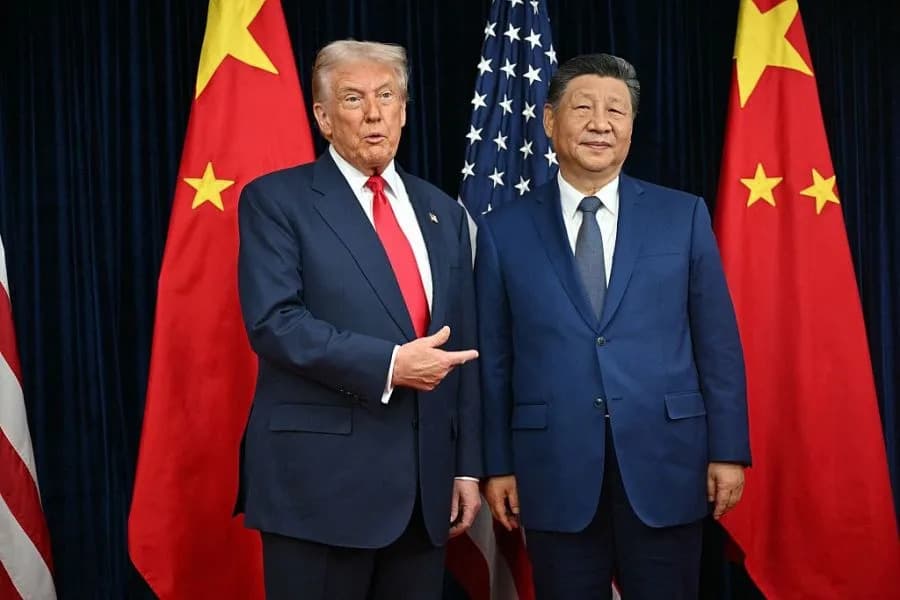
Religious groups urge Trump to confront China over persecution of Christians, Uyghurs
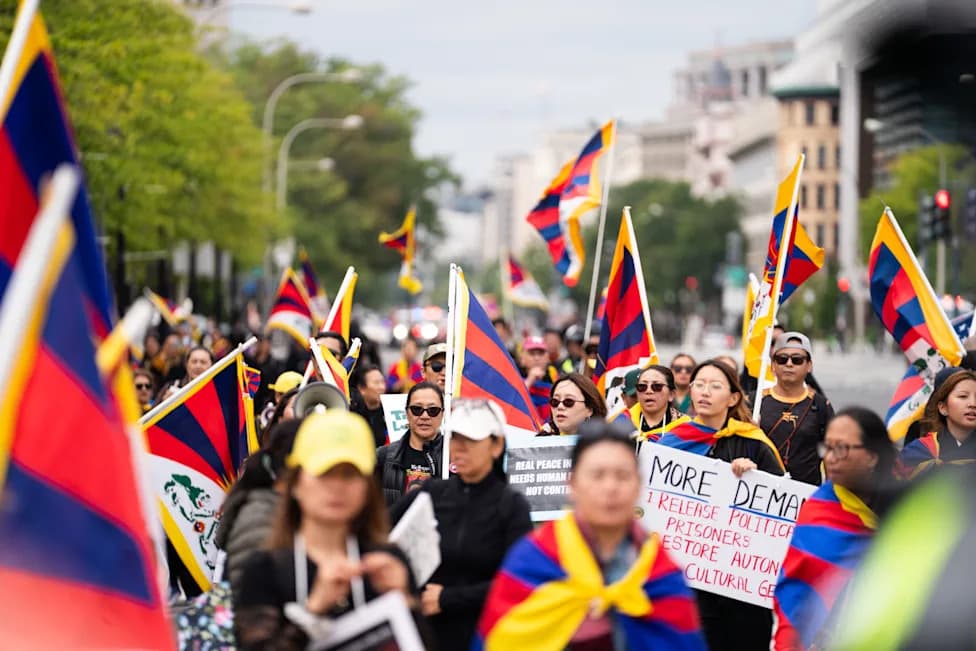
Several religious-freedom organizations, Christian groups and human-rights advocates are urging President Donald Trump to make the treatment of religious minorities a top priority in talks with Chinese leader Xi Jinping. The coalition says a broad, state-led crackdown under Xi has targeted underground Christian congregations, Uyghur Muslims, Tibetan Buddhists and other faith communities across China.
Concerns: Detentions, Surveillance And State Control
Advocates point to campaigns pressuring Catholics to join the state-controlled church, the detention of pastors and religious leaders, expanding government surveillance and tighter limits on worship. Representative Vicky Hartzler, chair of the United States Commission on International Religious Freedom (USCIRF), said the U.S. has long worked to advance religious liberty in China and has recognized the Chinese Communist Party's persecution of Uyghurs as genocide.
“The U.S. government has long demonstrated its commitment to advancing religious freedom in China, including the determination of the Chinese Communist Party’s genocide of Uyghurs,” said Representative Vicky Hartzler.
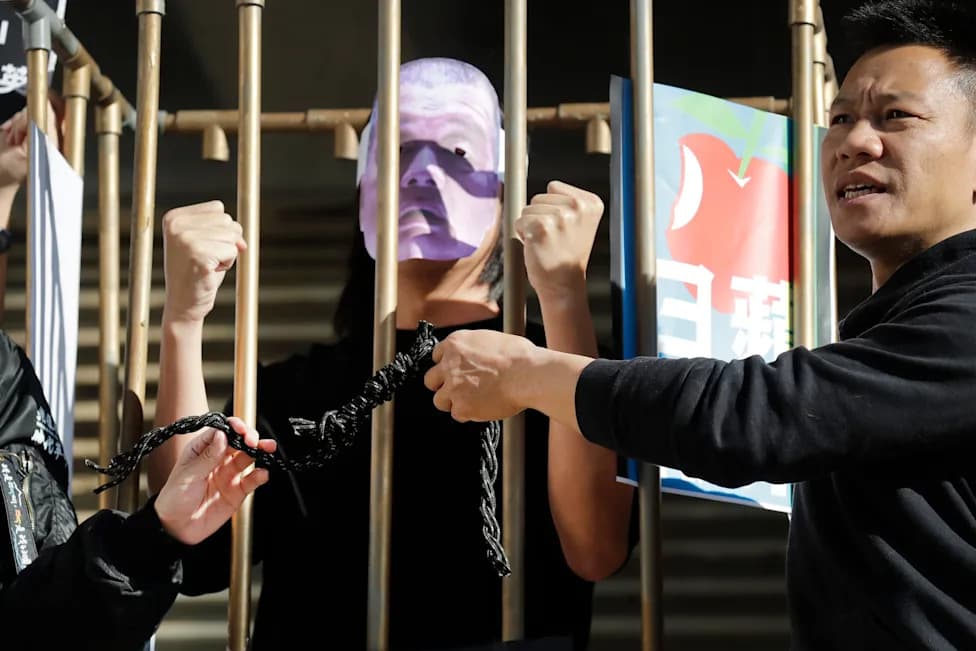
USCIRF Vice Chair Asif Mahmood warned that "under Xi Jinping, religious freedom has worsened to a horrific degree," and urged the administration to press Beijing directly to release people jailed for their beliefs, including Uyghur detainees, Christian pastors and pro-democracy advocates.
Prominent Cases Driving Advocacy
One high-profile example is Pastor Ezra Jin of Beijing’s Zion Church, detained amid a crackdown on unregistered "house churches." His case has become a rallying point for groups arguing China is intensifying efforts to suppress independent Christian worship outside state control.
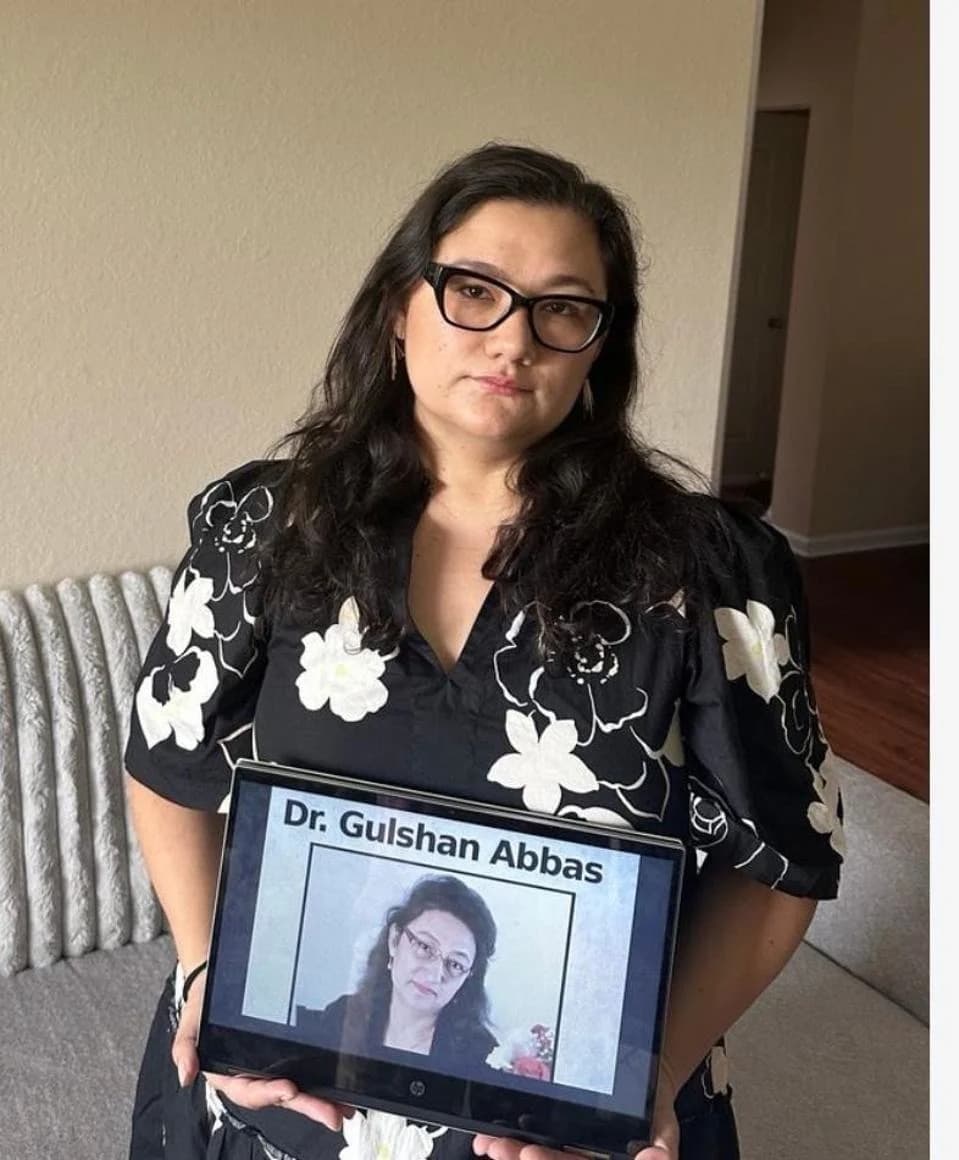
Another focal case is Ilham Tohti, a Uyghur economist and professor arrested in early 2014 for his writings on Uyghur rights and ethnic tensions. Tohti was later sentenced to life in prison on charges of "separatism," and advocates say his family has had little or no contact with him in recent years.
A campaign called "Two Empty Chairs," launched by the Everett Center for Global Religious Freedom at Dallas Baptist University, is urging President Trump to press Chinese leaders to secure the release of both Pastor Jin and Ilham Tohti.
Human Rights Watch And The Vatican Agreement
Human Rights Watch reports that Chinese authorities have stepped up pressure on Catholics to join the state-approved church, tightening surveillance and imposing travel restrictions on the country’s roughly 12 million Catholics. HRW also contends the 2018 agreement between the Holy See and China on bishop appointments has, in practice, worsened conditions for underground Catholics.
“A decade into Xi Jinping’s Sinicization campaign and nearly eight years since the 2018 Holy See–China agreement, Catholics in China face escalating repression that violates their religious freedoms,” said Yalkun Uluyol, China researcher at Human Rights Watch.
According to HRW, some underground Catholics feel betrayed by the Vatican; one researcher who interviewed dozens of believers said many feel "the Vatican is also coming after them." Advocates are calling on Pope Francis and other international leaders to reexamine arrangements with Beijing that may be harming believers on the ground.
What Advocates Want From U.S. Policy
Religious freedom groups and bipartisan lawmakers are pressing the U.S. administration to raise individual cases and broader systemic concerns during high-level meetings with Chinese officials. They argue that U.S. diplomatic pressure — particularly at a summit-level meeting — could be pivotal in securing releases and limiting further repression.
Source: Reporting compiled from NewsNation and statements by USCIRF, Human Rights Watch, and advocacy groups. Copyright 2026 Nexstar Media, Inc. All rights reserved.
Help us improve.