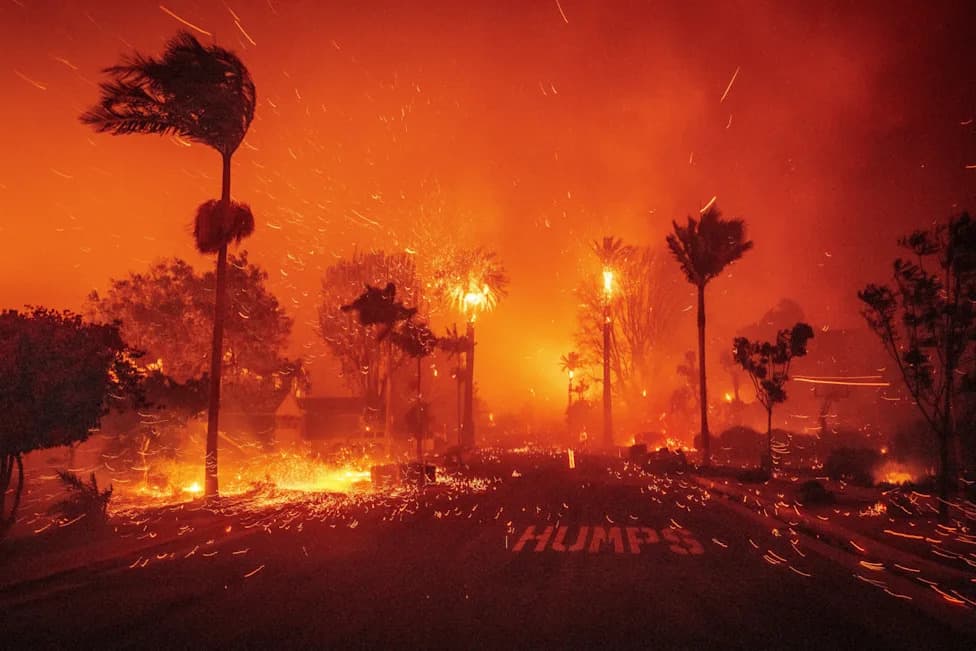
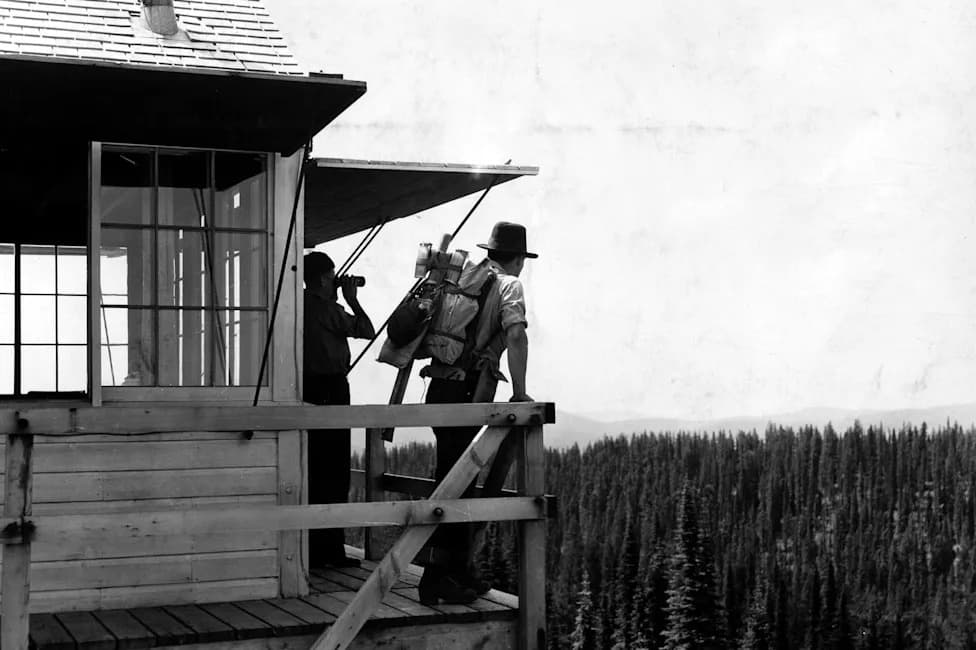
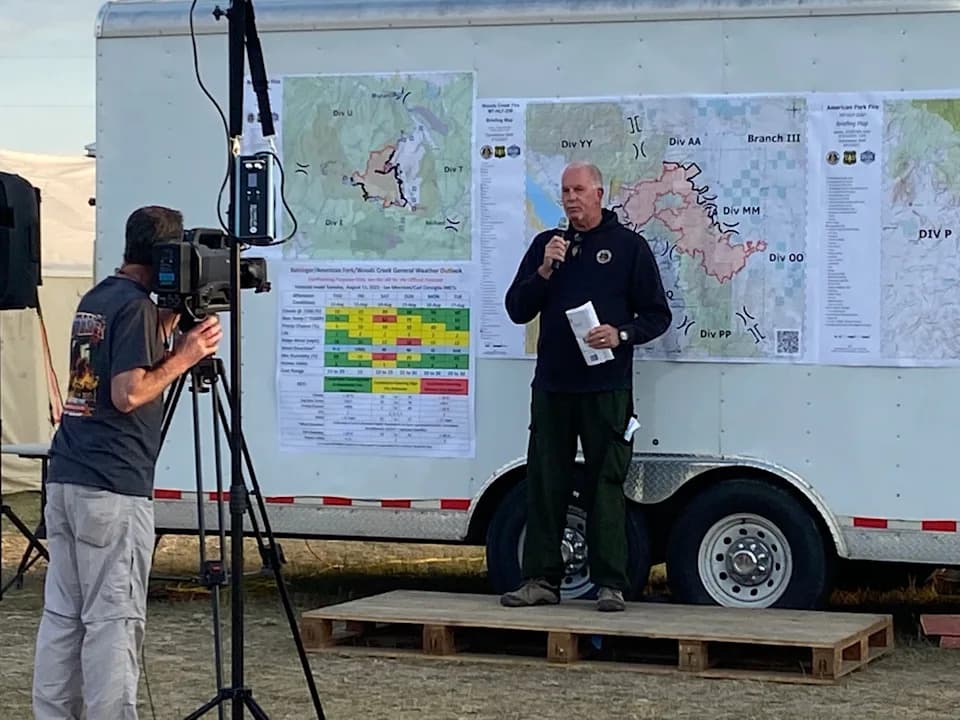
Jonathan Vigliotti’s excerpt from Torched recounts the January 7, 2025, blaze that devastated Pacific Palisades and exposes the systemic failures that allowed it to escalate. Delayed response, evacuation gridlock and aging systems left neighborhoods exposed as 100-mph winds fanned flames that consumed land at the rate of five football fields per minute. The fire destroyed a majority of structures in affected areas, and a fast-tracked, politically driven rebuilding effort prioritized legacy over long-term resilience. Vigliotti, who was on the ground during the first four days, argues this local disaster offers a global warning about climate adaptation, planning and accountability.
Torched: How Pacific Palisades Burned — A Warning on Climate, Planning, and the Rush to Rebuild
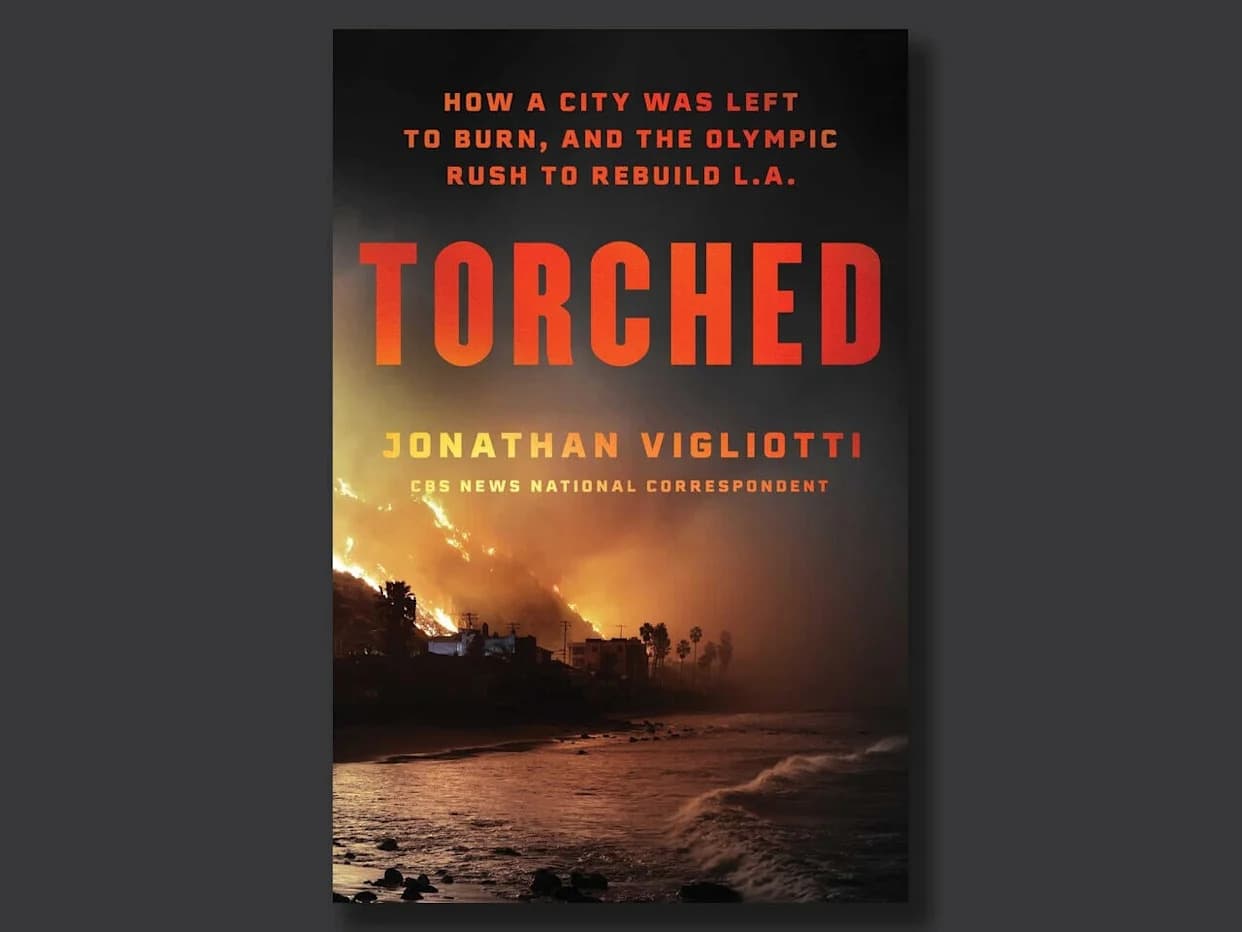
/ Credit: One Signal/Atria Books
Book Excerpt — "Torched" by Jonathan Vigliotti
In his forthcoming book Torched: How a City Was Left to Burn, and the Olympic Rush to Rebuild L.A. (One Signal/Atria Books, available May 12), CBS News national correspondent Jonathan Vigliotti draws on first-hand reporting of last year’s catastrophic Southern California wildfires to argue that systemic failures in firefighting, planning and political decision-making left Pacific Palisades vulnerable — and that the fast-tracked recovery prioritized image and legacy over long-term safety.
Optical Illusion
The mahogany-toned sandstone and shale cliffs above the Pacific Ocean resemble a wall of giant tree trunks — an optical effect early settlers likened to palisades, the wooden stakes used to fortify forts. Built on a rugged mesa between the Santa Monica Mountains and the sea, Pacific Palisades was promoted in the early 1900s as a refuge from Los Angeles’s dust and noise: “where the mountains meet the sea.” Over generations it shifted from a frontier for early film studios to a haven for Methodists, refugees, and later, sprawling estates for the entertainment elite. For many, the community came to symbolize human mastery over a wild landscape. That belief, Vigliotti shows, was an illusion.
The Fire That Changed Everything
On January 7, 2025, before 10:29 a.m., a column of smoke rose over the Santa Monica Mountains. Radio traffic reported, “Resources are responding to a vegetation fire with smoke visible in Temescal Canyon.” The ignition point: a patch of chaparral scorched by fireworks a week earlier, where a smoldering ember lay dormant until a breeze revived it. Within hours, ash filled the air.
Response delays were the first domino. Without a containment line in the hills, the blaze ran downhill and leapt into residential cul-de-sacs, striking Floresta Place, Bienvenida Avenue, and La Puerta del Sol — streets the Los Angeles Fire Department had long categorized as effectively non-defensible if the hills ignited. With little or no guidance from officials, residents began to self-evacuate; Sunset Boulevard clogged into gridlock. Fire engines could not penetrate the congestion, and some were rerouted or turned back.
“Civilians abandoning cars are impeding firefighting operations. Shelter in place at the top of Palisades Drive,” a dispatcher pleaded over the radio — but panic had already set in. Homeowners who stayed behind fought forty-foot flames with garden hoses while the fire fed on dry chaparral and flammable eucalyptus. By nightfall, winds howled through the canyons at up to 100 miles per hour.
What began as a brush fire merged into a single, town-swallowing front. A midnight plume was visible from space. At its most voracious, the blaze advanced across ground equivalent to five football fields per minute. For three days it ravaged neighborhoods before sufficient reinforcements pushed it back into the hills, where it smoldered for weeks.
Aftermath and Accountability
When the smoke cleared, the damage was staggering: in many affected neighborhoods, four in five structures were destroyed, and business districts were reduced to ash and twisted metal. Vigliotti notes that many houses and emergency systems were built for a climate that no longer exists. Nearly half of U.S. homes predate 1980, before today’s era of megafires and intensified storms, and building codes and planning practices have not kept pace with warming and greater risk.
“As hard as rebuilding housing is, real change — real lasting, structural change — that's even harder. And it takes courage to experiment with new ideas and change the old ways of doing things. That takes time.” — President Barack Obama
Unlike that call for honest reckoning after Hurricane Katrina, officials after the Pacific Palisades fire publicly blamed wind and drought while largely sidestepping acknowledgement of operational failures: the delayed response, constrained access, and resource shortfalls that left neighborhoods to fend for themselves and private crews to perform rescues. Owning those failures, Vigliotti argues, would have exposed a chain reaction of decisions and omissions.
Vigliotti and his team were among the first journalists on the ground and one of the few that remained through the critical initial days — documenting failures, rescues, and the urgent human consequences. He recounts pulling animals from burning homes and observing where the emergency system failed at every stage: preparedness, immediate response, and the rush to rebuild.
Rebuilding, Politics, And A Warning
In the wake of the fire, political rivals publicly united around the reconstruction effort. But Vigliotti contends that the apparent bipartisanship served legacy and optics more than public safety. Experts he cites describe the recovery as rushed and structurally flawed, increasing the risk that similar tragedies will recur.
Pacific Palisades, he warns, is not only a local calamity but a global parable: what happens when societies fail to adapt to a changing climate, approve development in high-risk places, and allow short memories or political theater to overwrite accountability.
“The short memories of American voters is what keeps our politicians in office.” — Will Rogers
This excerpt is a plea: communities still standing can act now to avoid the same fate. Vigliotti’s eyewitness account provides specific warnings about evacuation planning, access, resource allocation, and the need to rethink building standards and development in fire-prone landscapes.
Copyright © 2026 by Jonathan Vigliotti. From "Torched" by Jonathan Vigliotti, published by One Signal/Atria Books, an imprint of Simon & Schuster, Inc. Reprinted by permission.
Get the book: Torched: How a City Was Left to Burn, and the Olympic Rush to Rebuild L.A. — Hardcover, Large Print Trade Paperback, eBook and Audio formats, available May 12. Buy locally from Bookshop.org.
Help us improve.