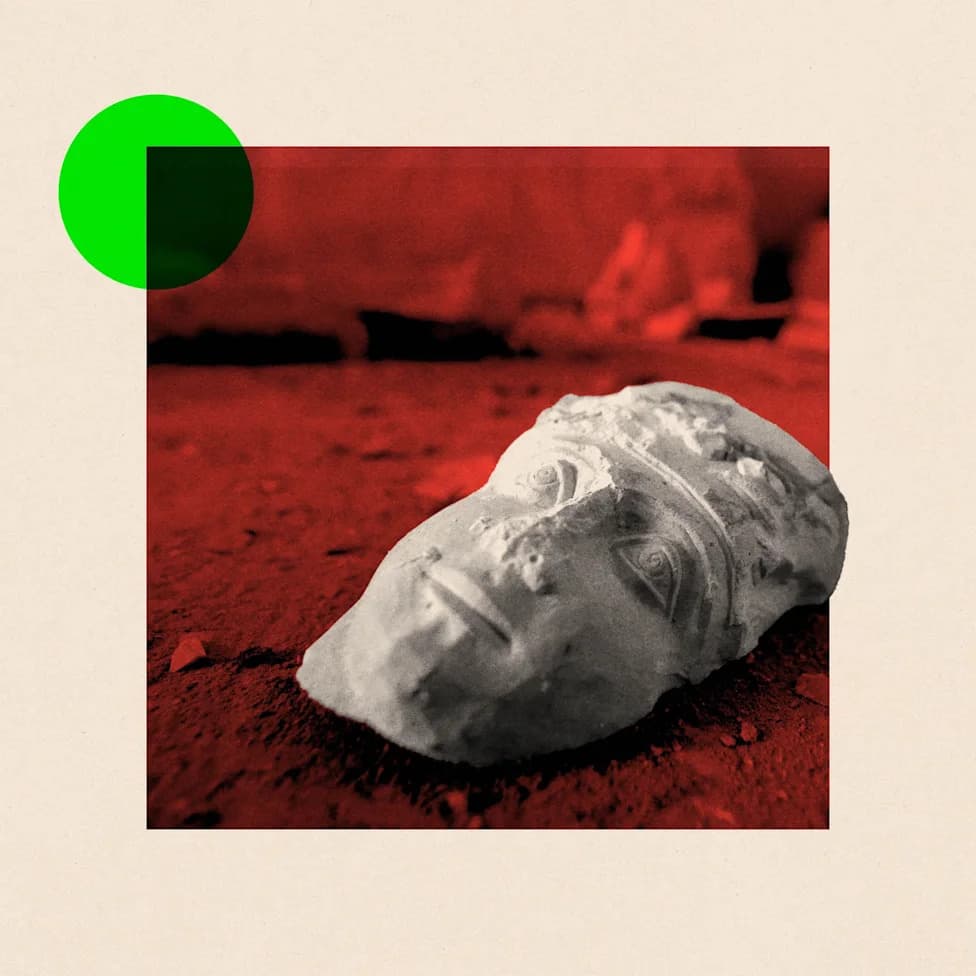
Conservation teams in Iran are stabilising and cataloguing damage to historic sites after strikes linked to the war that began on February 28. Golestan Palace in Tehran — a UNESCO World Heritage site — suffered shattered mirrors, broken doors and serious damage to its Mirror Hall and Marble Throne, with initial repair costs estimated at about $1.7 million. Officials say at least five UNESCO-listed locations and some 140 culturally significant sites across Iran were affected. Experts warn restoration could take two or more years, face funding shortfalls and may not fully recover original authenticity.
Iran Rushes to Stabilise War-Damaged Heritage Sites as Restoration Could Take Years
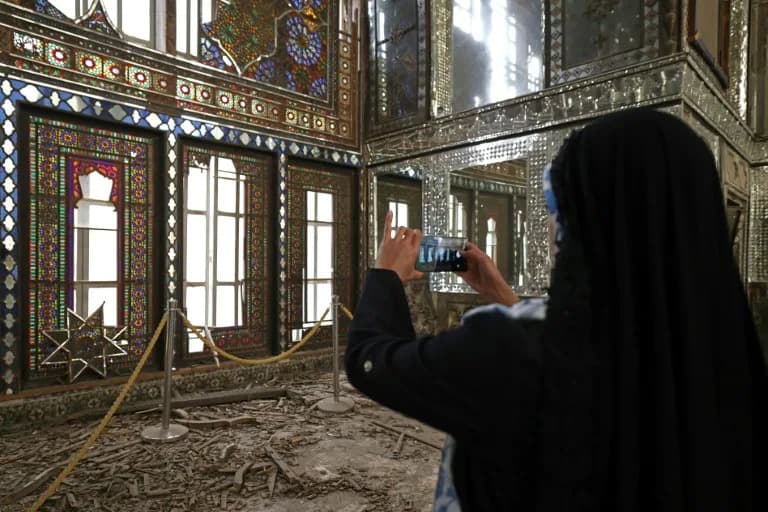
Iranian conservationists have been assessing the damage from US-Israeli strikes on historic sites like Tehran's Golestan Palace (ATTA KENARE)(ATTA KENARE/AFP/AFP)
Conservation teams across Iran have begun stabilising and documenting damage to historic sites after strikes linked to the conflict that began on February 28. While a fragile truce since April 8 has allowed experts limited access, specialists warn full restoration could take years and face major funding and authenticity challenges.
Damage at Golestan Palace
At Golestan Palace in central Tehran — a UNESCO World Heritage site since 2013 — fragments of ornate ceilings, shattered mirrors and broken doors litter parts of the complex following shockwaves from strikes on the capital. The palace's Mirror Hall, famed for its shimmering mosaic-covered ceilings and walls, and the Marble Throne, a ceremonial platform with sculpted figures, were reported to be “seriously damaged.”
"The damage has been assessed at several levels, but a more detailed specialised evaluation is still underway," said Ali Omid Ali, a restoration specialist and head of the palace's technical engineering department.
Immediate Response
Teams are prioritising stabilisation — shoring up weakened structures, clearing debris and protecting artefacts — to prevent further loss before comprehensive restoration begins. Initial estimates for repairs at Golestan Palace are around $1.7 million, but officials warn costs could rise and that work may take "two or more years."
Wider Impact
Golestan is one of at least five UNESCO-listed sites reported damaged during the conflict. Officials say around 140 additional culturally and historically significant locations across Iran have been affected, including Chehel Sotoun Palace, the Masjed-e Jame mosque in Isfahan, prehistoric sites in the Khorramabad Valley, Tehran's Marble Palace, the Teymourtash House and the Saadabad Palace complex.
Restoration Challenges and Concerns
Hassan Fartousi, head of Iran's National Commission for UNESCO, cautioned that even careful restoration may not fully restore a site's original character. He emphasised the central role of "originality" in cultural heritage and questioned how much of that can be preserved once key elements are lost or reconstructed.
Funding is a major constraint. The Iranian government has not yet announced a comprehensive restoration budget amid wartime economic strains and export disruptions attributed to a US blockade. International bodies such as UNESCO have limited resources, and negotiations are ongoing to secure external support.
Outlook
With sporadic clashes continuing in some coastal areas and in Gulf waters and no durable settlement yet, restoration teams say a more stable security environment is needed for long-term conservation. Authorities are working to stabilise sites and compile inventories of damage so that, when funding and security allow, restoration can proceed under expert supervision.
Key figures: strikes began on February 28; fragile truce since April 8; initial Golestan estimate ≈ $1.7 million; restoration timelines potentially two or more years; roughly five UNESCO sites and 140 culturally significant locations affected nationwide.
Help us improve.