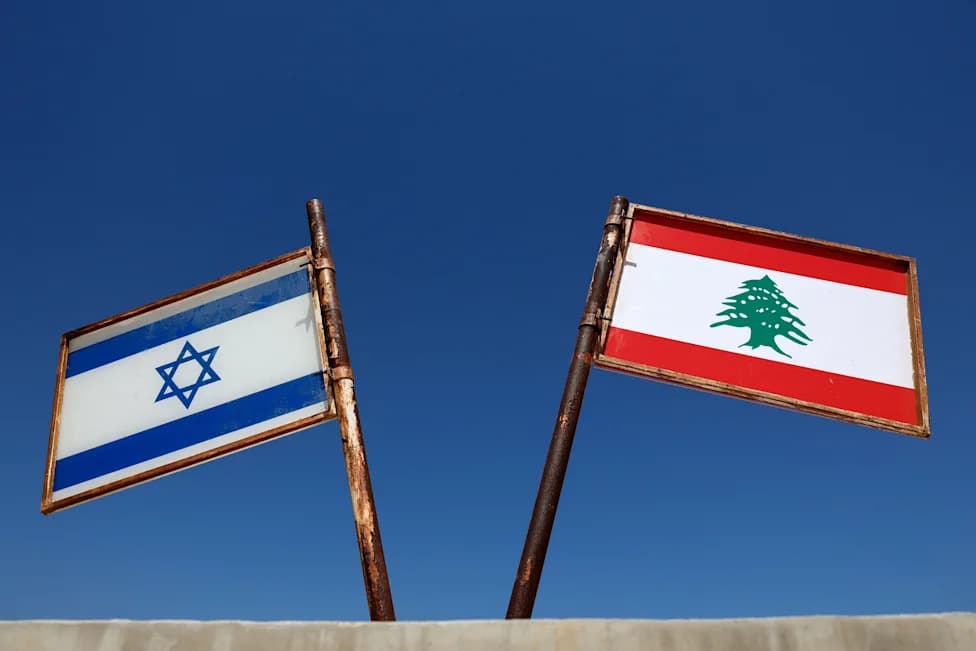
Lebanese Prime Minister Nawaf Salam and Syrian President Ahmed al-Sharaa met in Damascus and reported "significant progress" on security, transport, infrastructure and economic cooperation nearly 18 months after Bashar al-Assad's removal. A central topic was the fate of more than 2,000 Syrians detained in Lebanon, after over 130 prisoners were transferred back to Syria in March. Both governments pledged to tighten border controls, target alleged Hezbollah cells and coordinate ahead of Lebanon's upcoming talks with Israel in Washington.
Lebanon and Syria Announce 'Significant Progress' in Damascus Talks on Security, Detainees and Border Controls
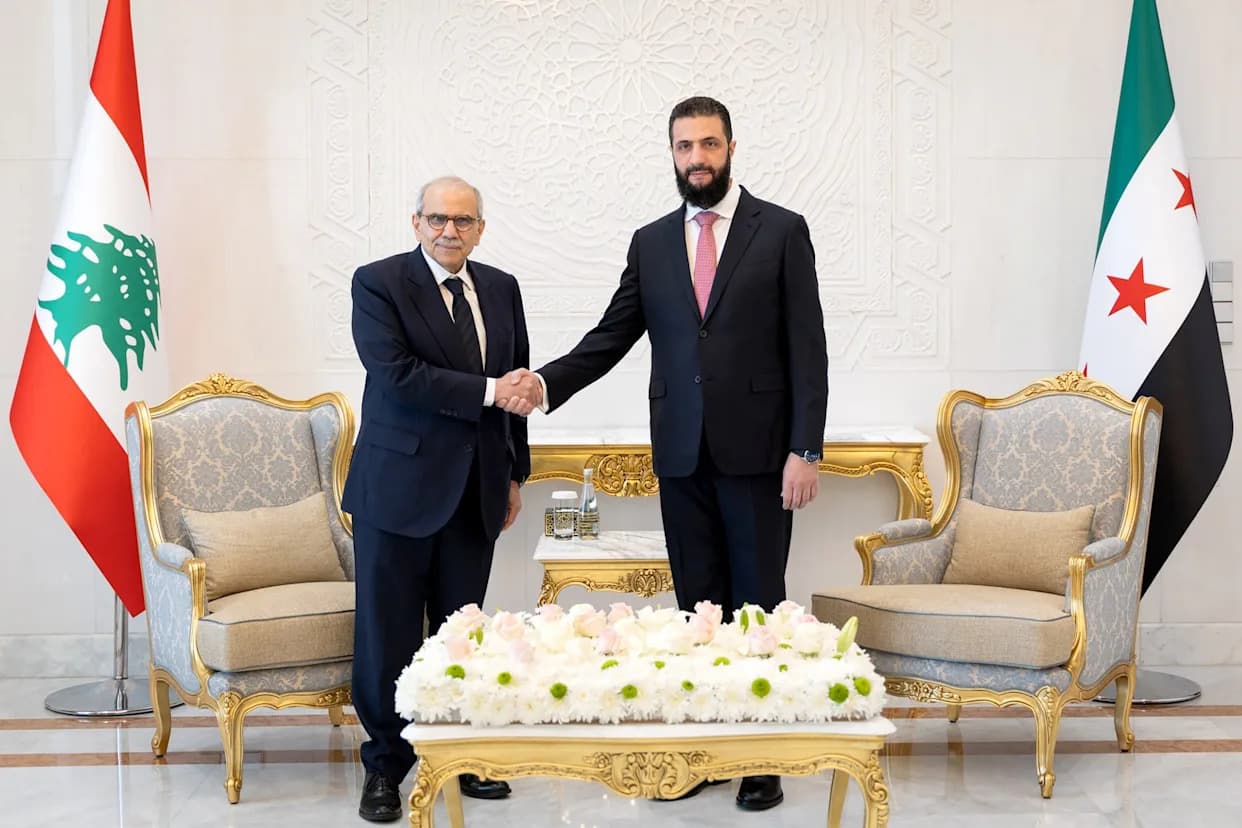
Syrian President Ahmed al-Sharaa shakes hands with Lebanese Prime Minister Nawaf Salam at the People's Palace in Damascus on May 9, 2026 [AFP/SANA]
Lebanon's Prime Minister Nawaf Salam concluded talks in Damascus with Syrian President Ahmed al-Sharaa, saying the two governments had made "significant progress" on a range of shared concerns nearly 18 months after the overthrow of long-time Syrian leader Bashar al-Assad.
Key Outcomes
The discussions covered security, transport, infrastructure and economic cooperation as Baghdad and Damascus seek to repair ties after the political upheaval in Syria. The visit was Salam's second official trip to Syria since al-Assad's removal in an opposition-led offensive under al-Sharaa.
Detention and Prisoner Transfers
A central focus was the fate of Syrians detained in Lebanon. More than 2,000 Syrians are currently held in overcrowded Lebanese prisons; some face terrorism charges while others are accused of attacking the Lebanese army. In March, more than 130 Syrian prisoners were transferred from Lebanon to Syria to serve the remainder of their sentences.
"We discussed continuing efforts to address the issue of detained Syrians [in Lebanon] and to uncover the fate of the missing and forcibly detained in both countries," Salam said, stressing bilateral efforts to resolve individual cases.
Security, Border Controls and Hezbollah
Both governments emphasized cooperation on border security. The porous 330-kilometre (205-mile) Lebanon–Syria frontier remains a route for smuggling of people and goods, including drugs and weapons, and Damascus has recently announced a series of operations and arrests targeting smuggling networks.
Salam and al-Sharaa also signalled intent to disrupt Hezbollah operations; Syrian authorities said they had arrested what they described as "Hezbollah cells" allegedly plotting assassinations of senior officials. Both Beirut and Damascus are reported to oppose the Iran-backed group, which has significant influence in Lebanon and is currently engaged in hostilities with Israel.
Regional Context and Next Steps
Reporting from Deraa, Al Jazeera's Heidi Pett said the visit aimed to re-establish relations and tackle regional security issues related to the wider war. The meeting comes as Lebanon prepares for another round of direct talks with Israel in Washington next week. Salam said he will prioritise reinforcing the U.S.-brokered ceasefire, securing the release of detainees and pressing for a timeline for any Israeli withdrawal.
The Damascus talks underline a tentative rapprochement between Beirut and Damascus, with both sides signalling willingness to cooperate on legal, security and economic fronts as regional tensions remain high.
Help us improve.