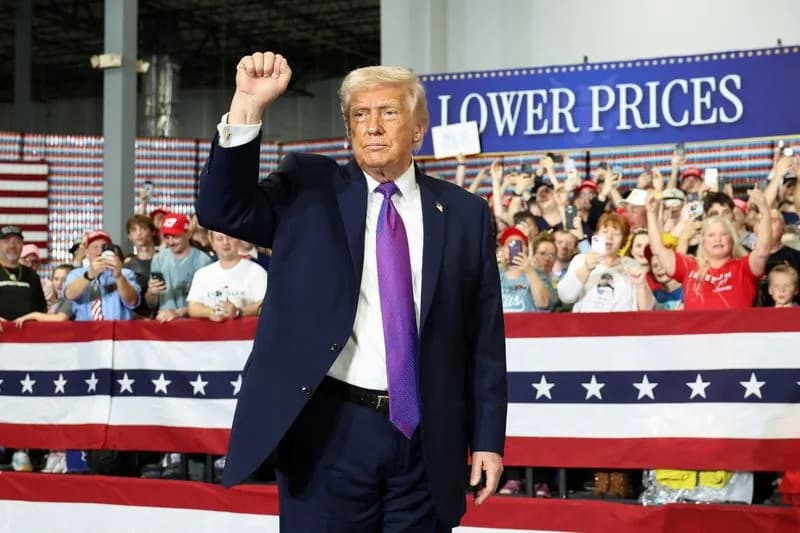
President Trump’s campaign to unseat Indiana state senators who opposed his preferred congressional map largely succeeded in Tuesday’s Republican primaries: five incumbents lost and a sixth Trump‑backed candidate won an open seat. The episode followed a failed redistricting vote in the state Senate in which 21 Republicans, including Senate President Rodric Bray, opposed the plan. Outside spending exploded — AdImpact tallied roughly $13.5 million — and Trump allies celebrated the results as a victory for conservative control.
Trump‑Backed Push Ousts Several Indiana State Senators After Redistricting Clash
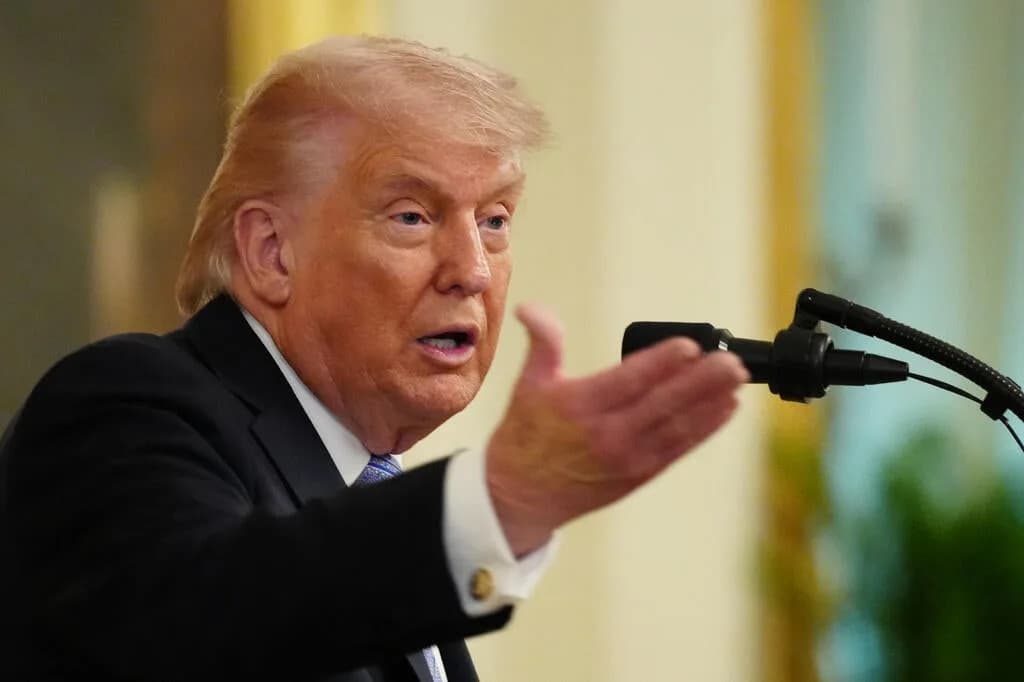
President Donald Trump’s campaign to remove Indiana Republicans who opposed his preferred congressional map largely succeeded in Tuesday’s GOP primaries, reshaping the state Senate and underscoring his influence in lower‑profile state contests.
What Happened
Five incumbent state senators who voted against a proposed plan to redraw Indiana’s U.S. House districts were defeated by challengers backed by Mr. Trump, The Associated Press projected. A sixth Trump‑aligned candidate won the Republican primary for an open seat where the anti‑map incumbent did not seek reelection. One incumbent survived a Trump‑backed challenger, and another contest remained uncalled late Tuesday with only a razor‑thin margin separating the two candidates.
The Redistricting Vote That Sparked the Fight
The dispute began after state Republicans pushed a congressional map intended to increase GOP representation in Indiana’s nine U.S. House districts. The map passed the state House but failed in the Senate after 21 Republicans — including Senate President Rodric Bray — voted against it, citing moral and practical objections. Bray said the caucus was "fairly evenly split" and decided the proposal "wasn't the right way for Indiana to move forward." Critics argued the map risked appearing as blatant gerrymandering and could be a political liability in tougher years.
Outside Spending and Pressure
The primaries drew unusually heavy spending and direct intervention. Ad tracking firm AdImpact counted roughly $13.5 million in advertising for these Indiana State Senate primaries this cycle — a dramatic jump from about $300,000 two years ago. Bray estimated roughly $9 million of the spending came from out of state. Mr. Trump publicly attacked holdout senators on Truth Social, endorsing challengers in multiple contested races while also supporting incumbents who backed the map.
Reactions and Fallout
Supporters of Mr. Trump hailed the results: Governor Mike Braun called it a "historic night for Indiana," and U.S. Sen. Jim Banks said he was "proud to have helped elect more conservative Republicans to the Indiana State Senate." Bray — who is not up for reelection until 2028 because Indiana staggers statewide contests — said he had "no regrets" about opposing the map, even as Mr. Trump had threatened political retribution.
Notable Races
Among the defeated was longtime GOP leader State Sen. Travis Holdman, the majority caucus chair, who lost to Trump‑backed challenger Blake Fiechter. Fiechter thanked Holdman for 18 years of service and promised to "turn the page" and represent all constituents. Holdman defended his vote and said he was not bitter, noting that "revenge and retribution is not a Christian value."
What Comes Next
The election results are likely to affect the balance and tone of the Indiana Senate GOP caucus and may influence future leadership dynamics. With significantly increased outside spending and heightened national attention, the race illustrates how redistricting fights are drawing presidential‑level involvement even in traditionally low‑profile state contests.
Key Facts: Five incumbents lost after opposing the map; one open seat went to a Trump‑aligned candidate; ad spending surged to an estimated $13.5M; Senate President Rodric Bray was among the holdouts and says he has "no regrets."
Help us improve.