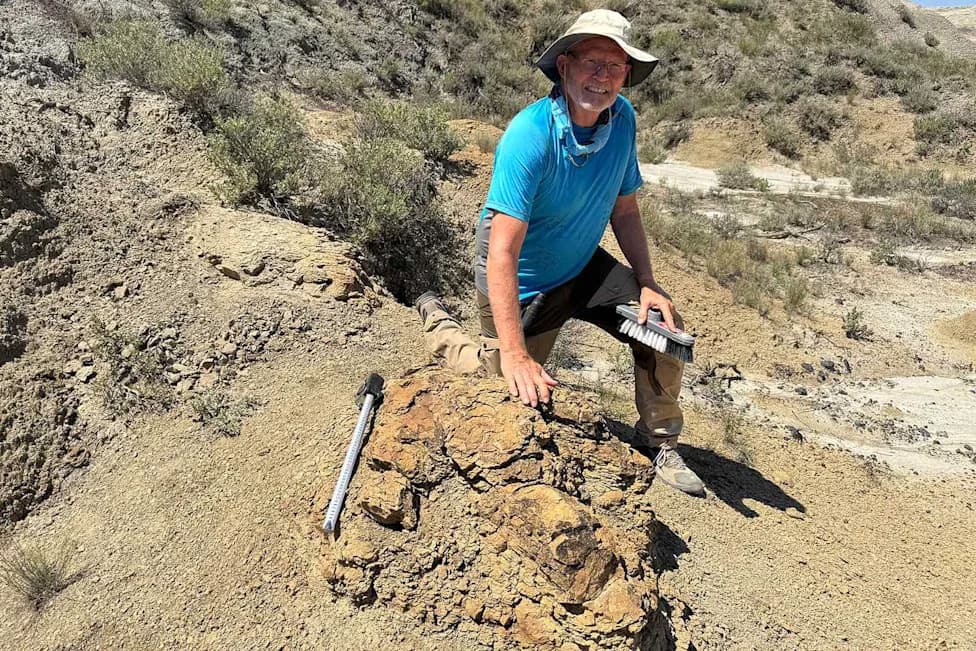
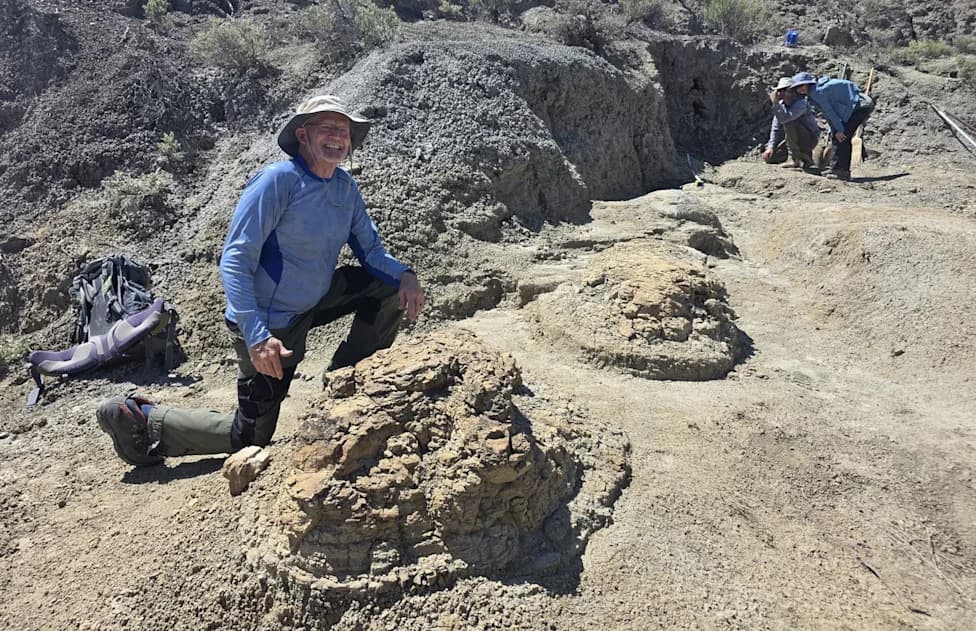
A 10 cm tyrannosaur foot bone from Montana bears 16 distinct tooth marks that researchers say were made by a smaller tyrannosaur feeding on a larger relative about 75 million years ago. High-resolution 3D modelling and analysis of a 3D-printed replica revealed no signs of healing, indicating late-stage carcass consumption. The find, reported in Evolving Earth, shows tyrannosaurs sometimes scavenged and that modern imaging can reveal behaviour from tiny fossil traces.
Tyrannosaur Fossil Reveals Dark Secret: Smaller Relatives Scavenged Larger Kin
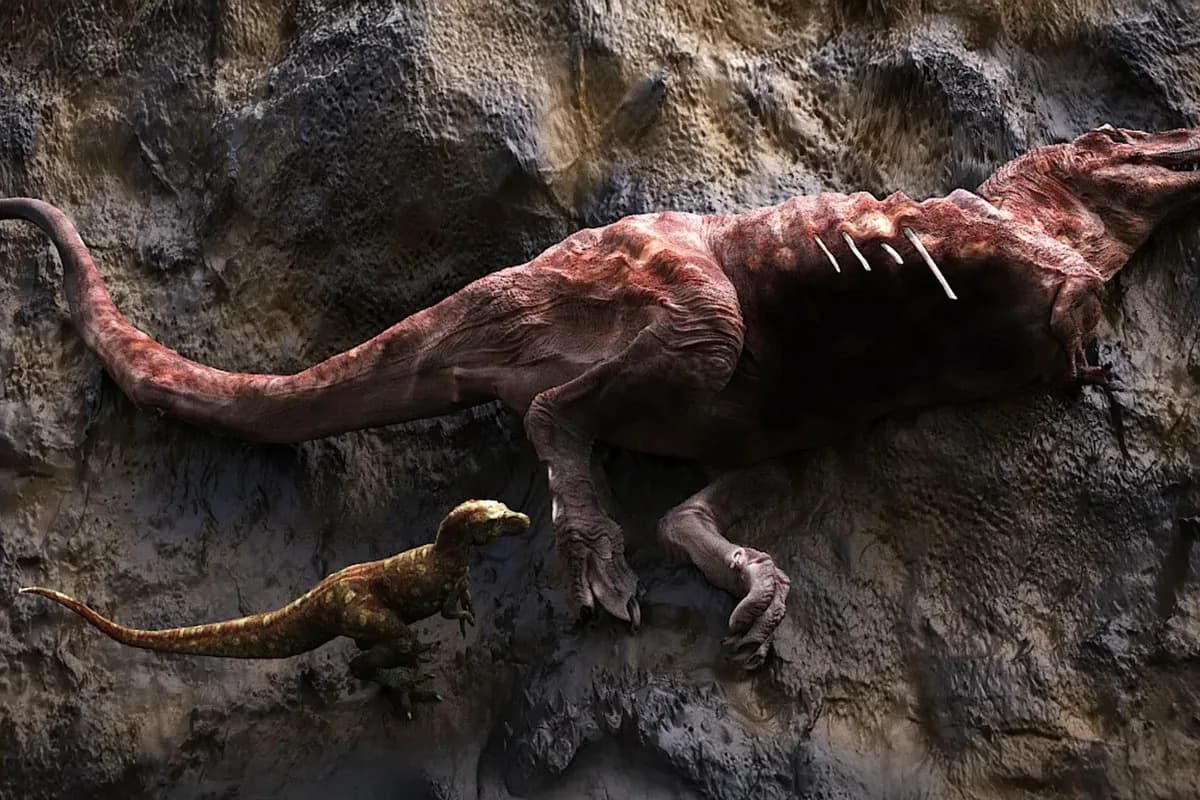
Tyrannosaur fossil reveals dark secret about apex predator: ‘Like solving ancient murder mystery’
A remarkable fossil discovery shows that some tyrannosaurs were not always the lone, relentless hunters often portrayed in popular culture. Researchers have identified precise tooth marks on a fossil foot bone indicating a smaller tyrannosaur scavenged the carcass of a much larger relative about 75 million years ago.
The Evidence
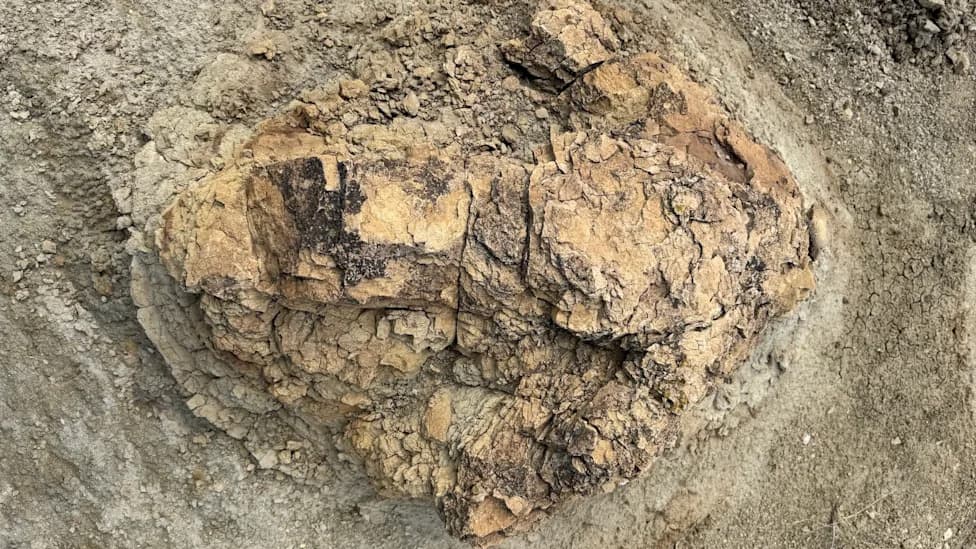
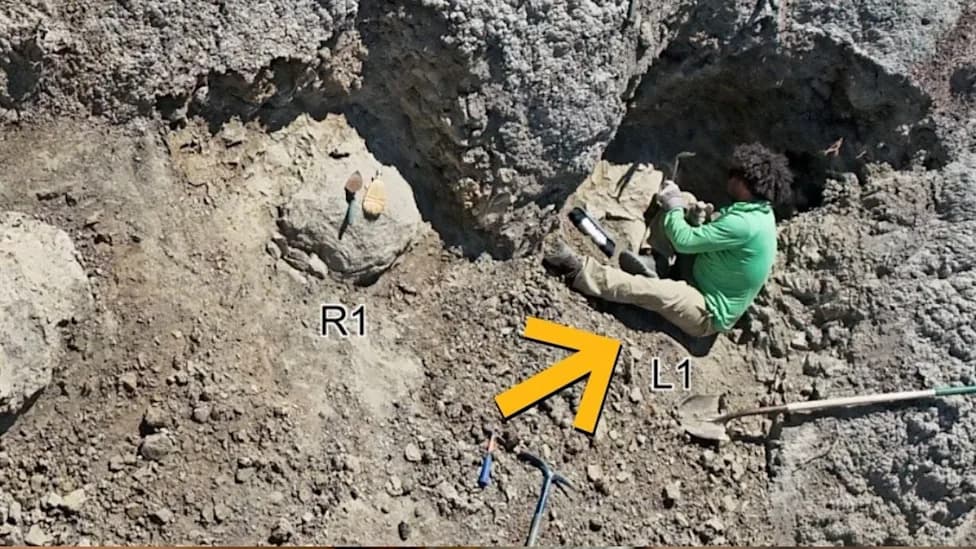
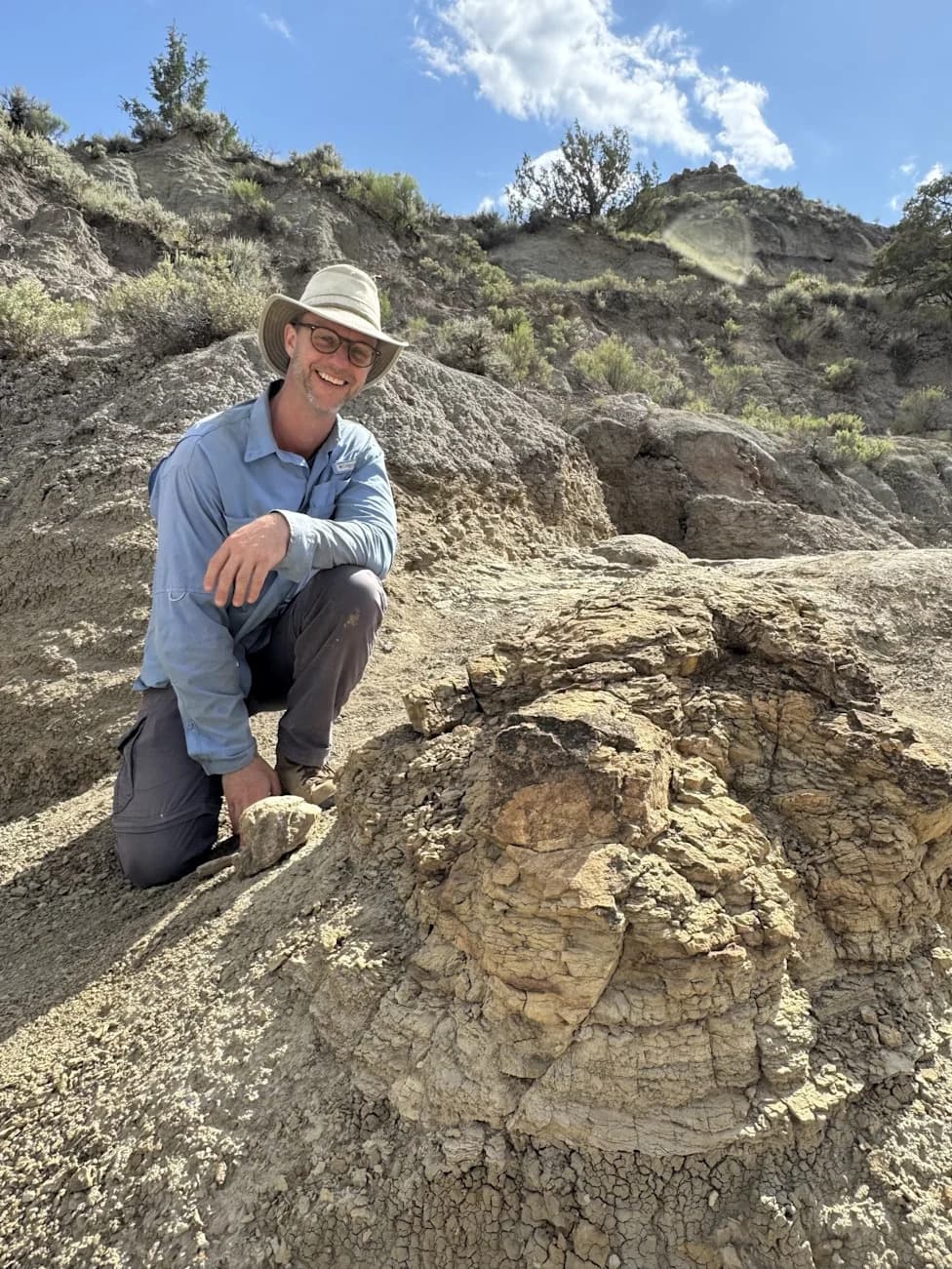
The specimen is a roughly 10 cm long foot bone recovered from the Judith River Formation in Montana, a site known for its rich Late Cretaceous fauna. Scientists at Aarhus University documented 16 distinct bite marks on the bone and found no signs of healing, which indicates the bites occurred after the larger animal had died.
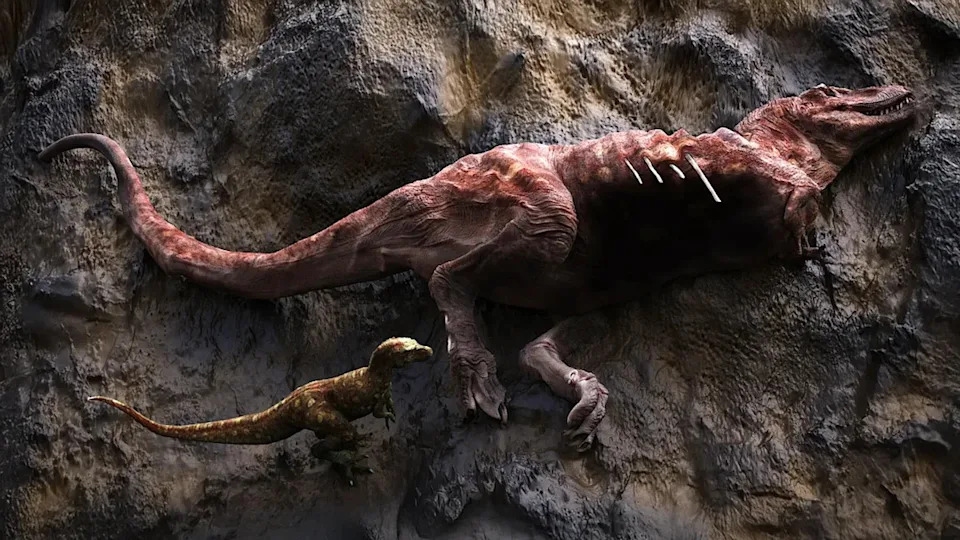
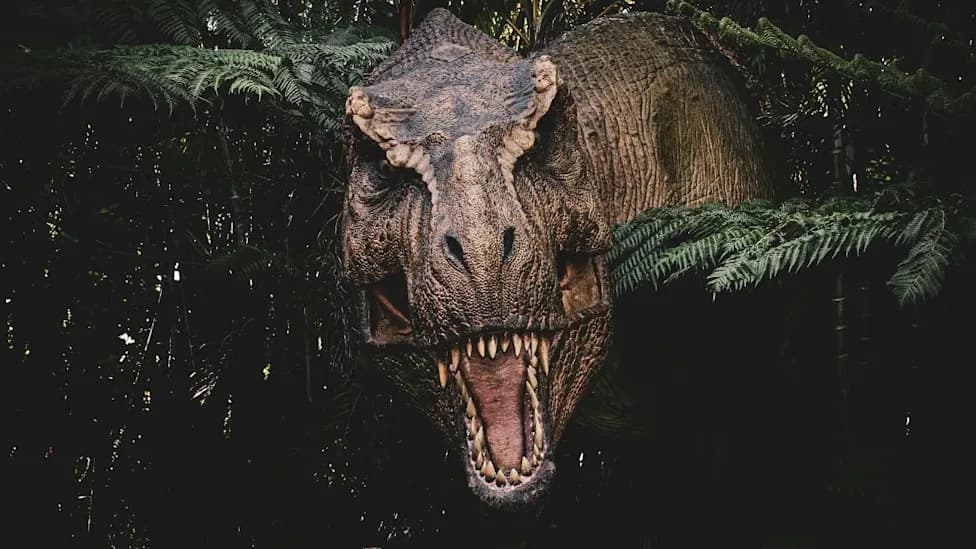
Illustration of a tyrannosaur scavenging the remains of a larger relative (Josephine Nielsen, Aarhus University)
"I have analysed the depth, angle, and placement of the marks in a virtual 3D environment and can document that these bite marks did not occur by chance," said Josephine Nielsen, the study's author. "They are precise impressions from the teeth of a smaller tyrannosaur that fed on a larger relative."
Methods
To study the delicate traces without risking damage to the original fossil, Nielsen created a high-resolution digital model and analysed a 3D-printed replica at Aarhus University. The digital workflow allowed magnification and virtual scrutiny of small details that helped confirm the marks' origin and orientation.
Interpretation and Significance
The small size and spacing of the bite marks are consistent with a smaller tyrannosaurid feeding on the foot of a much larger conspecific or closely related taxon. Because the foot contains little soft tissue, researchers interpret this as late-stage carcass consumption—evidence that tyrannosaurs sometimes scavenged and consumed even tough, low-yield bones.
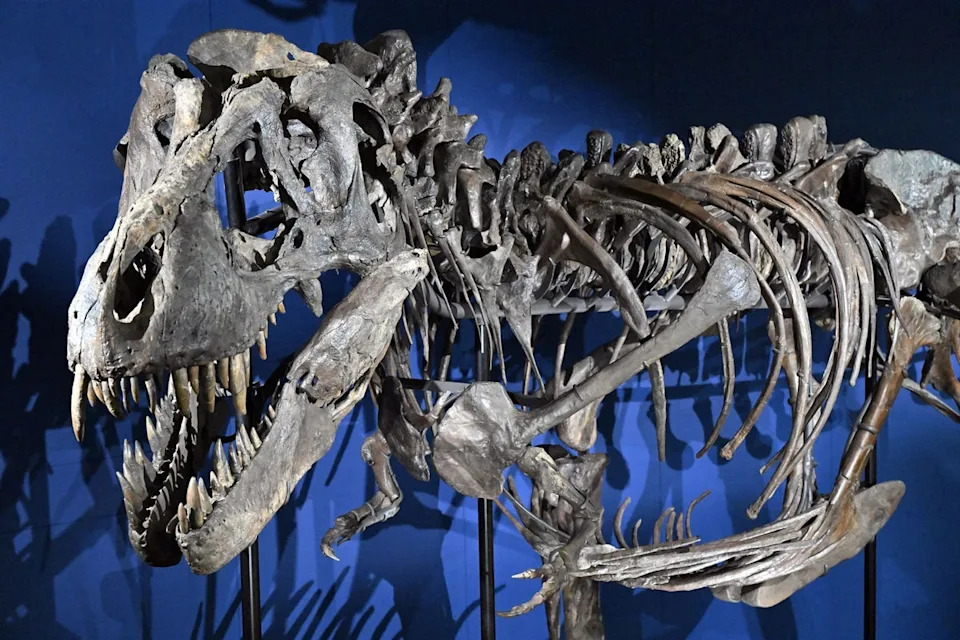
Skeleton of a Tyrannosaurus rex called 'Trinity' at the Sauriermuseum Aathal museum in Seegraben (AFP via Getty)
Estimations based on the bone's size suggest the larger animal may have reached roughly 10–12 m in length and weighed several tonnes, emphasizing the scale of interactions among these apex predators.
This study, published in the journal Evolving Earth, highlights how modern imaging and 3D modelling can extract behavioural clues from small fossil traces and adds nuance to our understanding of tyrannosaur ecology: they were apex predators that also opportunistically scavenged when the chance arose.
Help us improve.