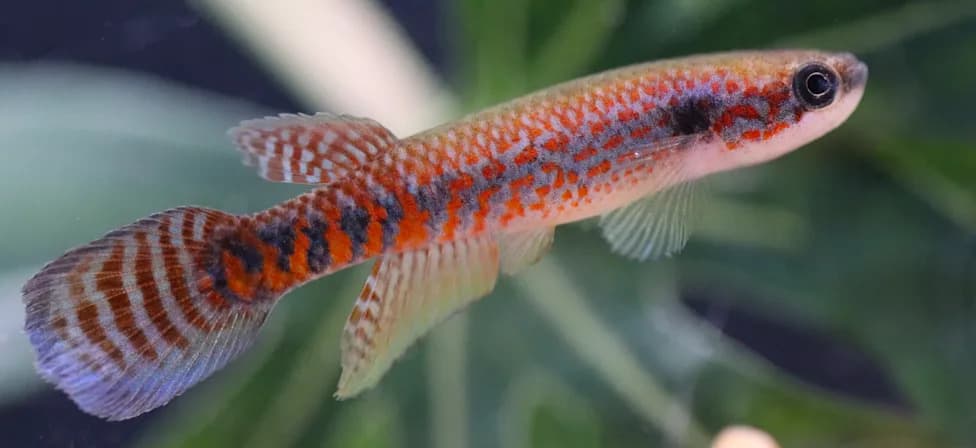
The Caballo Moro cave in Tamaulipas, Mexico, contains an underground lake split by light and darkness after a partial roof collapse. Surface and cave populations of the Mexican tetra have hybridised there, creating mixed groups that include both sighted and eyeless fish; sighted individuals remain more territorial. Generations of natural recombination have helped researchers map genomic regions linked to eye development, with implications for understanding vision loss in other species and some human eye disorders.
Sunlit Skylight Reveals Underground Lake Where Sighted and Blind Fish Hybridise
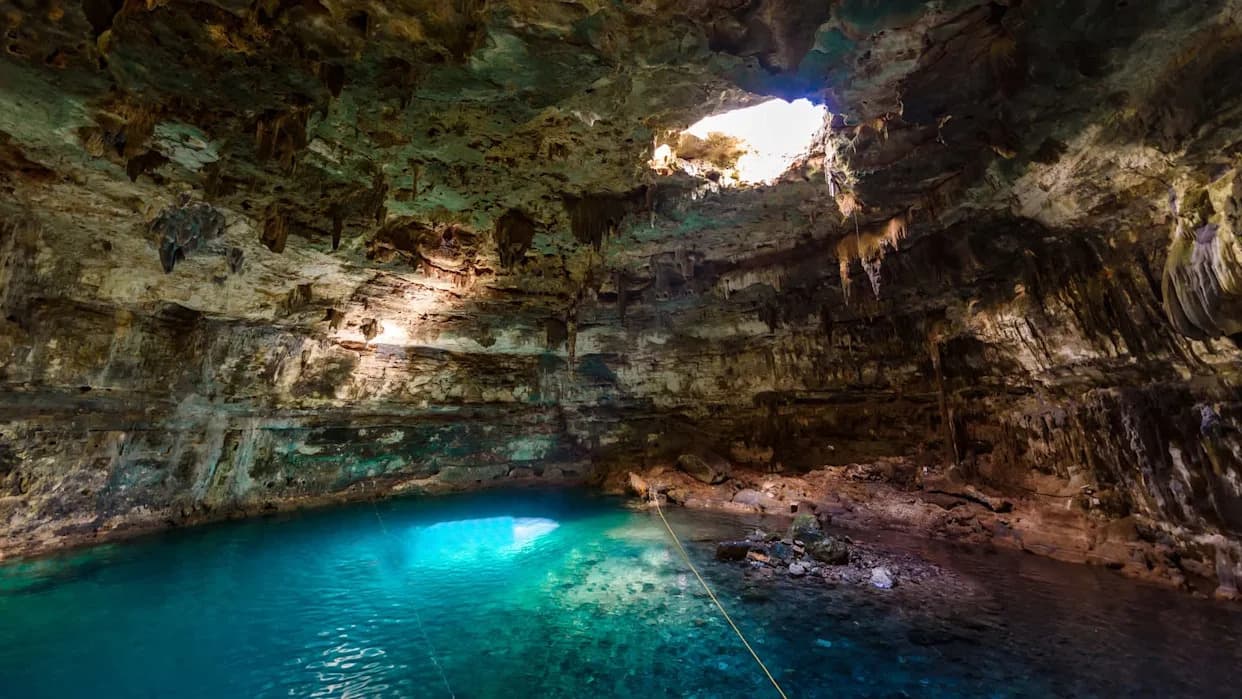
Photo Credit: iStock
A partial collapse above the Caballo Moro cave in Tamaulipas, Mexico, has opened a natural skylight into an underground lake where sighted and eyeless Mexican tetra fish now live side by side. The unusual mix of light and darkness in the same body of water offers scientists a rare natural experiment in evolution, behavior and genetics.
A Natural Window Into Two Worlds
The discovery centers on the Mexican tetra (Astyanax mexicanus), a species known for thriving in both surface rivers and dark cave systems. In Caballo Moro, a roof collapse illuminated one section of the lake while leaving the rest in perpetual darkness, creating conditions that support both surface-like and cave-adapted forms.
Hybridisation and Behavioral Differences
Researchers propose that surface-dwelling tetras were washed into the cave system and interbred with long-established cave populations, producing a hybrid community containing both eyed and blind individuals. Despite sharing the same lake, the two forms do not behave identically: sighted fish remain more aggressive and territorial, which helps maintain partial spatial segregation within the habitat.
"The eyed cavefish in this cave are still aggressive and territorial. Because they have eyes, they are better at defending their territory compared to the blind ones. That is one of the reasons that segregation remains," co-author Nicolas Rohner said.
Genetics of Eye Loss
Because surface and cave genomes have mixed over multiple generations, natural recombination has shuffled their genetic material. That recombination makes it possible for researchers to map regions of the genome associated with eye development and degeneration without creating experimental crosses in the lab. The work provides insight into how complex traits such as eyesight can be lost over evolutionary time.
Scientists note the broader relevance of these findings: some of the same genes implicated in the tetra’s eye changes have been linked to human eye disease, and similar genetic patterns have been observed in other subterranean mammals. While further research is needed, Caballo Moro offers a valuable living laboratory for studying adaptation, hybridisation and the genetic architecture of vision.
Study Context: Reporting on the discovery and researcher comments were summarized from coverage by Discover Wildlife and statements from study co-authors. The site remains important for ongoing ecological and genetic research into evolution in darkness.
Help us improve.