Ethiopia and Sudan traded accusations of cross‑border violations and support for armed groups, amid warnings the neighbouring conflicts are overlapping. Sudan alleges UAE‑made drones were launched from Ethiopia on March 1 and 17 to strike its forces; the UAE and Ethiopia deny the claims. Drone strikes have intensified across Sudan, killing civilians and damaging infrastructure, and Khartoum has recalled its ambassador and warned it may confront Ethiopia if necessary.
Ethiopia and Sudan Trade Blame Over Cross‑Border Drone Strikes as Tensions Escalate
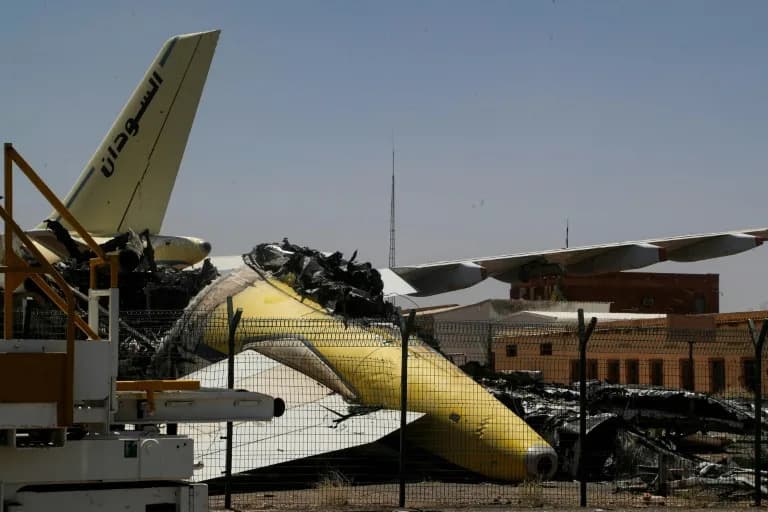
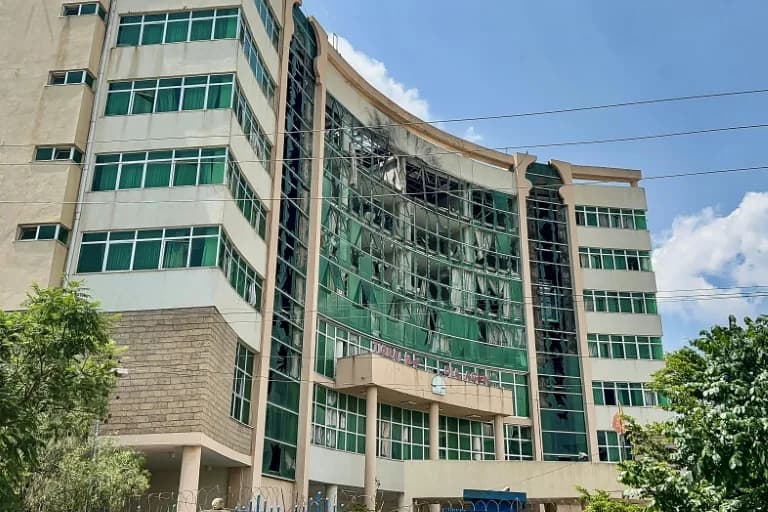
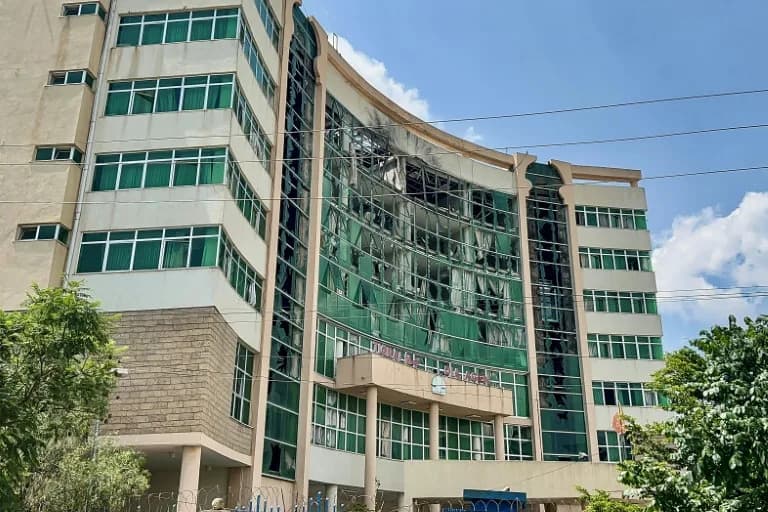
Sudan accuses Ethiopia and the UAE of launching a drone attack on Khartoum airport (Khaled DESOUKI)(Khaled DESOUKI/AFP/AFP)
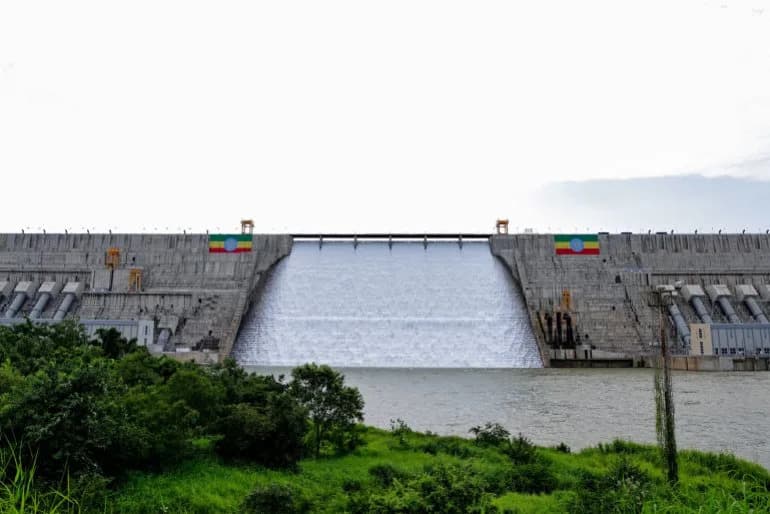
Ethiopia and Sudan exchanged sharp accusations on Tuesday, each saying the other violated its territory and supported armed groups — raising fears the two neighbouring conflicts could further destabilise the Horn of Africa.
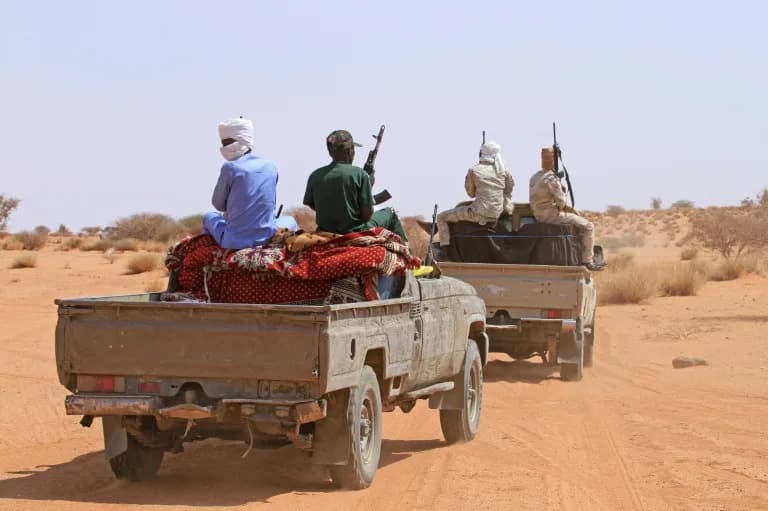
Background: Sudan has been engulfed in civil war since 2023, while Ethiopia continues to face multiple insurgencies across its regions. Analysts warn the crises are increasingly overlapping and drawing in external actors from across the region.
Accusations and Responses
Ethiopia's foreign ministry accused the Sudanese armed forces of backing "mercenaries" linked to the Tigray People's Liberation Front (TPLF), whose armed wing fought a conflict with Ethiopia's federal government from 2020 to 2022. The ministry said Sudan was acting as "a hub for various anti‑Ethiopian forces" and that those forces had been aided with arms and funding to carry out incursions along Ethiopia's western frontier.
The TPLF denied any ties to Sudanese authorities. A senior TPLF official, Amanuel Assefa, told AFP: "We have no connections with the Sudanese authorities," and accused the Ethiopian government of deflecting blame for its own problems.
Drone Strike Allegations
Sudan said it would recall its ambassador to Addis Ababa "for consultation" after a series of drone strikes and accused Ethiopia of cooperating with the United Arab Emirates (UAE) in the attacks. Sudanese army spokesman Assim Awad claimed his forces had "conclusive evidence" that UAE‑manufactured drones launched from the Bahir Dar region in Ethiopia struck Sudanese army positions on March 1 and March 17, and that similar drones had targeted sites in Khartoum more recently.
The UAE denied the allegations, dismissing them as "unfounded accusations and deliberate propaganda" that undermine efforts to end the conflict. Ethiopia's foreign ministry also called the claims "baseless."
Casualties and Impact
Drone attacks have intensified across Sudan in recent months, carried out by both the Sudanese army and the Rapid Support Forces (RSF). On Tuesday, a strike on a fuel station in Kosti, White Nile state — about 300 kilometres south of Khartoum — killed three civilians and wounded two, according to security and medical sources. Recent strikes in and around Khartoum have also killed civilians and damaged critical infrastructure, including a hospital in the Jebel Awliya area, and reportedly killed five people in southern Omdurman.
At a Khartoum briefing, Sudan's army‑aligned foreign minister, Mohieddin Salem, warned the country was ready to "enter into an open confrontation" with Ethiopia "if it becomes necessary." The exchange underscores the risk of the conflicts spilling across borders and drawing in regional powers.
Analysts' View: Experts caution that without de‑escalation, mutual recriminations and alleged foreign involvement could further complicate peace efforts and deepen humanitarian suffering across both countries.
What To Watch: verification of the drone‑origin claims, diplomatic moves such as ambassadorial recalls, and any further cross‑border incidents that could widen the confrontation.
Help us improve.