The U.S. military said it destroyed six Iranian small boats and several drones during "Project Freedom," after which the Navy escorted U.S.-flagged merchant ships through the Strait of Hormuz. Iran denied the U.S. account, accused U.S. forces of striking commercial vessels, and reportedly fired missiles that hit an oil port in the UAE, prompting a rise in oil prices. Tehran also published a map claiming expanded maritime control that includes Fujairah and Khorfakkan, raising the prospect the fragile truce will not hold. Other briefs cover a Princeton dissertation defense, a Secret Service shooting, ICE internal reports, A.I. oversight talks, a new censored mobile service, and a homeschooling accountability debate.
The Truce That Didn't Hold: U.S.-Iran Tensions Escalate After 'Project Freedom' Strike
The Truce That Wasn't
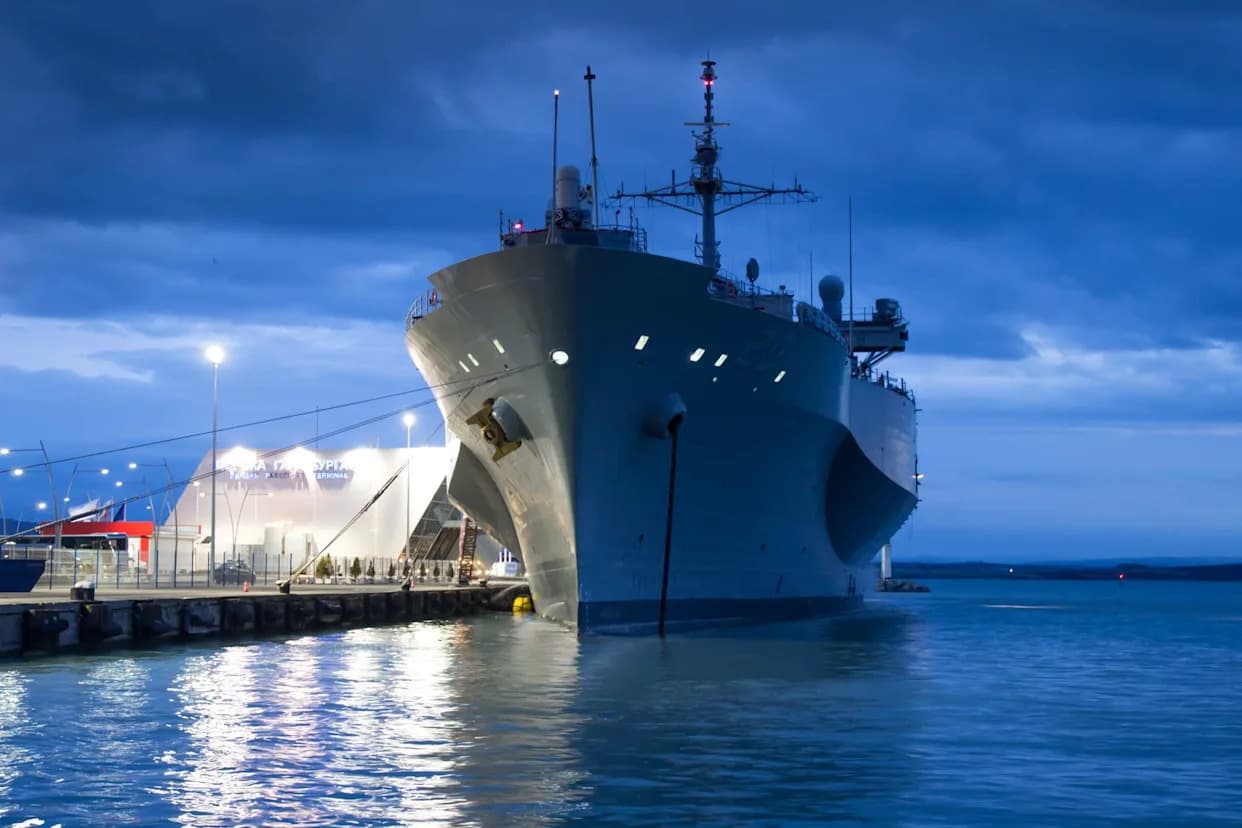
The U.S. military reported it destroyed six Iranian small boats and multiple drones on Monday as part of "Project Freedom," an operation aimed at reopening the Strait of Hormuz to commercial traffic. The move prompted the U.S. Navy to begin escorting merchant vessels through the strait, a step officials said was intended to ensure the safe passage of U.S.-flagged ships.
"The American military's Central Command said that two U.S.-flagged commercial ships had passed through the waterway. Maersk said one of its vehicle carriers, flying the U.S. maritime flag, transited the strait."
Tensions rapidly escalated after the operation. Reuters reported that several merchant ships in the Gulf experienced explosions or fires the same day, and that an oil terminal in the United Arab Emirates hosting a large U.S. military presence was struck by missiles. Iranian state media denied U.S. claims that ships had been escorted and accused U.S. forces of striking commercial vessels—a claim that, according to available reporting, has not been substantiated.
Iran also released a map asserting a broader maritime zone under its control, extending beyond the Strait of Hormuz to include long stretches of the UAE coastline. The map reportedly highlighted the ports of Fujairah and Khorfakkan on the Gulf of Oman—facilities the UAE has relied upon to reroute traffic around the closed strait.
The attacks and counterclaims prompted a spike in oil prices and raised the prospect that a fragile truce between the United States and Iran may be unraveling. The developments place the UAE in a potentially pivotal regional position as its security calculations and alliances are tested.
Other News Briefs
Academic Milestone: I attended a dissertation defense at Princeton for Meredith Thornburgh, whose work "Making Mrs. Modern: The Technological and Social Transformation of Household Production, 1930–1975" examines long-term shifts in domestic labor and household technology.
Secret Service Incident: The U.S. Secret Service shot an armed man near 15th Street SW and Independence Avenue around 3:30 p.m., shortly after the vice president's motorcade passed that location. Authorities have not publicly released the suspect's motives.
ICE Internal Reports: The Washington Post reviewed hundreds of internal "Daily Detainee Assault Report" emails, documenting incidents in which staff reported using force at 98 ICE detention facilities from January 2024 through February 2026. The records highlight abuses that could damage public confidence in immigration enforcement if not addressed.
A.I. Oversight Talks: The administration is reportedly considering an executive order to create an A.I. working group that would bring tech executives and government officials together to evaluate oversight options, including a possible formal government review process for new A.I. models.
Cultural Debate: A recent piece arguing that short-form TikTok videos can be considered art drew skepticism from some readers—but the debate reflects broader questions about how new media forms are valued.
New Mobile Service: Radiant Mobile, a service that leases network capacity from major carriers (reported to be T-Mobile), plans to launch a new cellular offering that will block pornography and gender-related content.
Homeschooling And Accountability: The discussion over regulating homeschooling intensified after proposals for standardized evaluation were floated. Palmer Luckey, who was homeschooled, argued that such testing could undermine the tailored instruction that many homeschooling families value.
These developments—international and domestic—underscore a moment of heightened geopolitical risk and contested public-policy debates at home.
Help us improve.