Archaeologists uncovered nearly 200 green mineral fragments and abundant charcoal in a cave at 2,235 m in the Spanish Pyrenees, evidence consistent with long‑term, seasonal copper processing. The team suggests the fragments are malachite — a copper ore — that was deliberately heated and reduced using charcoal. Radiocarbon dates indicate occupation from about 5000–4300 B.C., with peak activity between 3600–2400 B.C.; the site also produced ornaments and human remains. Researchers plan further analyses to confirm the mineral ID and refine interpretations.
Green Rocks in Pyrenees Cave Suggest 4,000 Years of High‑Altitude Copper Processing
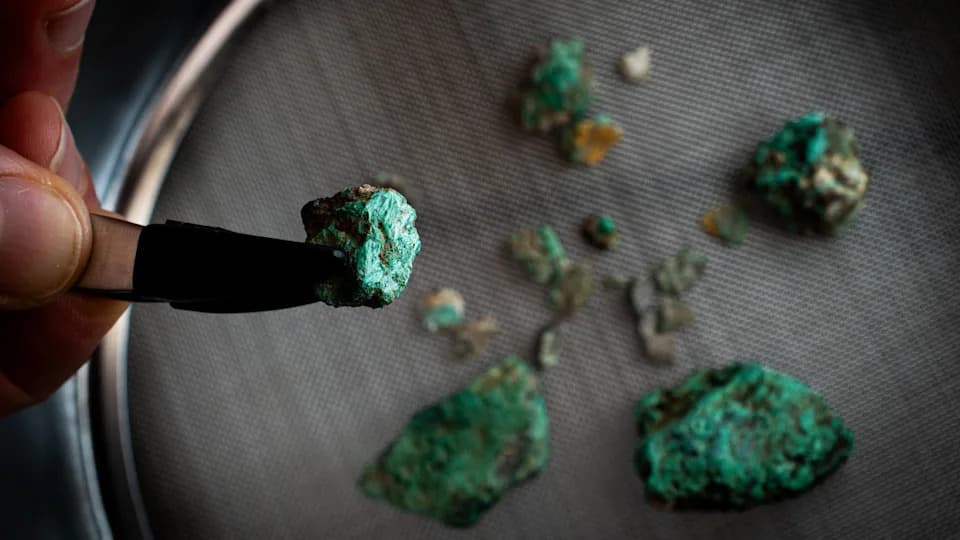
Researchers recovered dozens of fragments they suspect to be malachite, a copper-rich rock, from an archaeological site high in the Pyrenees. | Credit: Maria D. Guillén/IPHES-CERCA
A striking concentration of bright green mineral fragments and abundant charcoal in a high‑altitude cave in the Spanish Pyrenees points to repeated prehistoric copper processing at a seasonal camp over several millennia, archaeologists report.
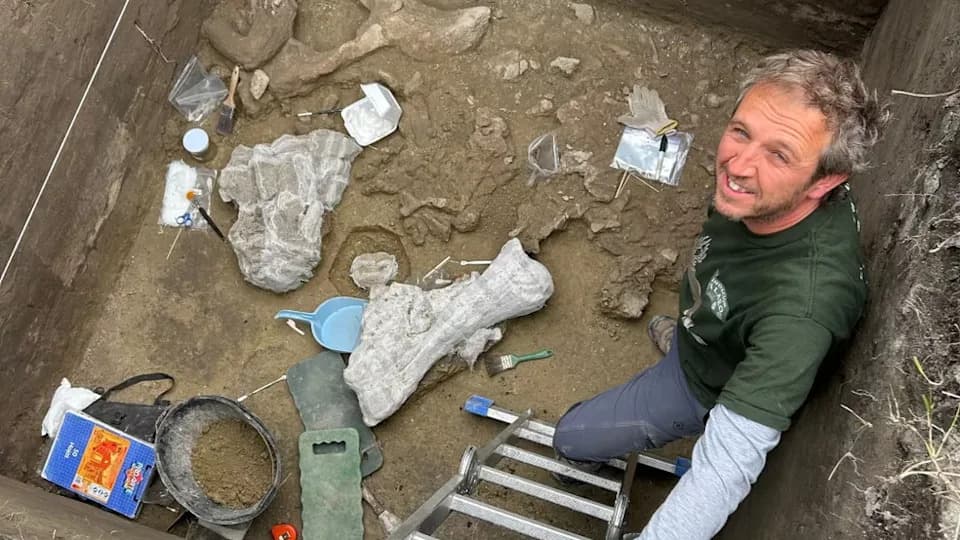
The cave sits at about 7,333 feet (2,235 meters) in the province of Girona, near the border with France. Excavations recovered human remains, animal bones, broken pottery, dozens of hearths and nearly 200 fragments of a green rock not native to the cavity — a suite of evidence consistent with repeated, specialized activities at the site.
What the Green Fragments Might Be
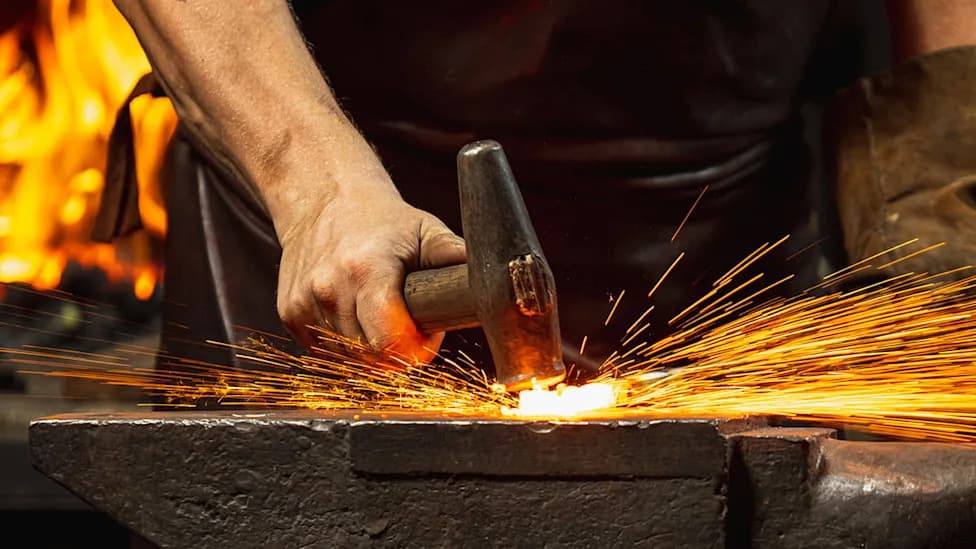
In a study published May 5 in Frontiers in Environmental Archaeology, the Spanish research team suggests the green fragments are likely malachite, a copper carbonate mineral. Malachite is a recognizable copper ore that, when heated and reduced with carbon (for example, charcoal), yields metallic copper. Because malachite does not occur naturally in the cave, the researchers conclude people transported the mineral to the site and used fires there to treat it.
Evidence for Deliberate Metallurgical Activity
Archaeologists documented almost 200 green pieces alongside dozens of combustion pits — discrete prehistoric fireplaces — where mineral processing likely took place. Many of the green fragments show thermal alteration while many other buried materials in the same contexts do not, implying targeted heating rather than accidental burning.
“Many of these fragments are thermally altered, while other materials in the cave are not, which clearly suggests that fire played an important role in their processing and that there was a deliberate intention behind it,” said Julia Montes‑Landa of the University of Granada. “In other words, they weren't burned by accident.”
Chronology and Associated Finds
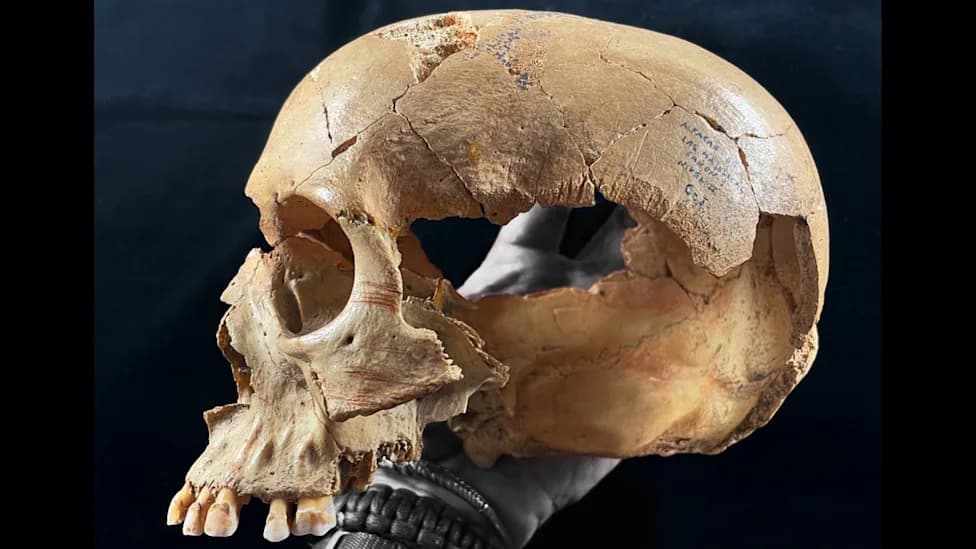
Radiocarbon and stratigraphic data place the cave’s earliest use between roughly 5000 and 4300 B.C., with the most intensive occupation occurring between about 3600 and 2400 B.C. — the heart of the European Copper Age (Chalcolithic). Alongside metallurgical evidence, excavators recovered personal ornaments (an elongated Glycymeris shell pendant and a perforated brown bear tooth) and human fragments such as a baby tooth and a finger bone, which could indicate occasional funerary use.
Why This Matters
The scale and longevity of activity suggest that knowledge of the site and its mineral resources was transmitted across generations. As Carlos Tornero of the Autonomous University of Barcelona notes, the discovery challenges the view of the high Pyrenees as marginal in prehistory, showing instead that mountain zones were integrated into mobility, resource procurement and technological strategies.
The team plans several more seasons of excavation and targeted analyses to confirm the mineral identification and to better understand the techniques and goals of the prehistoric processing activities.
Help us improve.