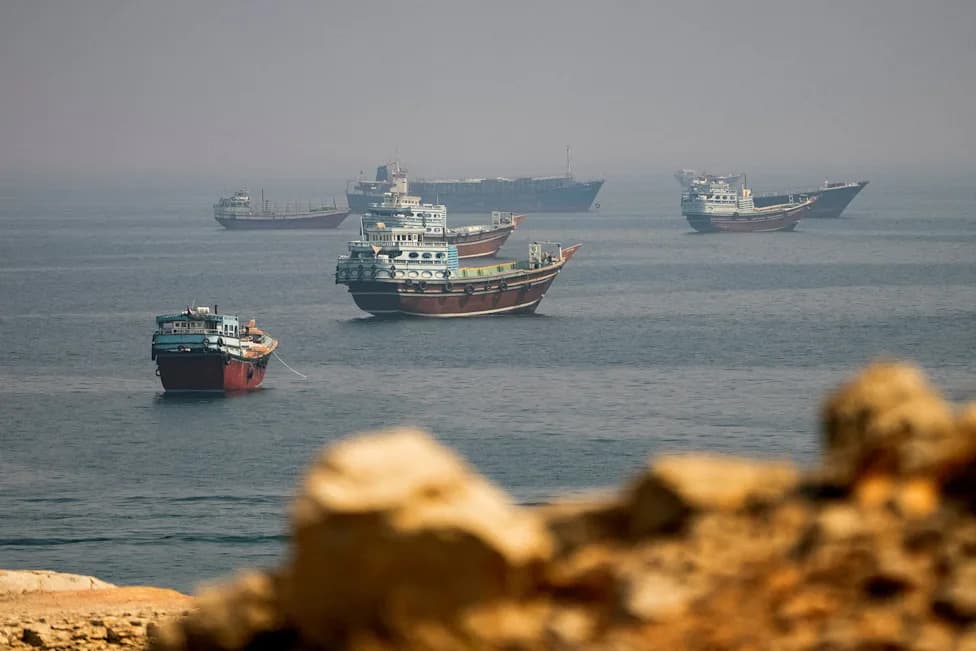
The U.S. launched Project Freedom, saying it destroyed six Iranian fast boats and intercepted cruise missiles and drones while reopening the Strait of Hormuz. CENTCOM says the operation involves about 15,000 troops, over 100 aircraft and a layered defense of ships, helicopters and electronic-warfare assets. Two U.S.-flagged commercial vessels transited the strait after mine clearance, though Iran denied both the crossings and reports of lost vessels. The move aims to protect commercial shipping and reduce disruptions to global energy supplies.
U.S. Launches 'Project Freedom' — Says It Sank Iranian Fast Boats, Intercepted Missiles and Drones to Reopen Strait of Hormuz
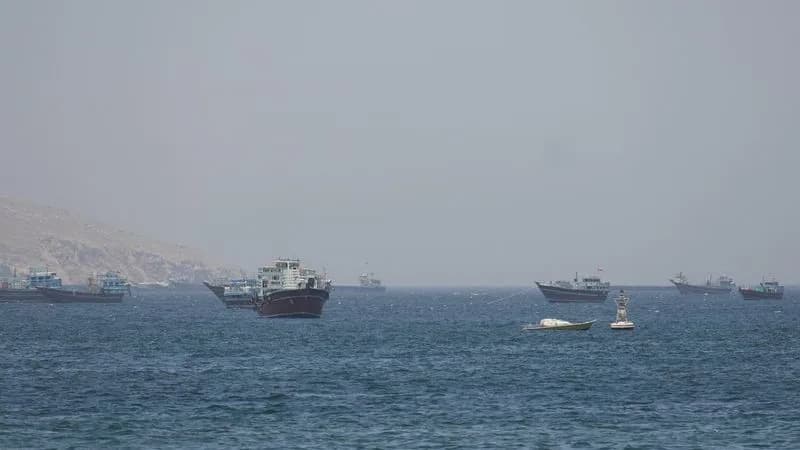
Ships and boats in the Strait of Hormuz, Musandam, Oman, May 4, 2026. REUTERS/Stringer
WASHINGTON, May 4 (Reuters) — The U.S. military said on Monday it destroyed six Iranian fast boats and intercepted Iranian cruise missiles and drones as Tehran sought to disrupt a new American naval operation to reopen shipping lanes through the Strait of Hormuz.
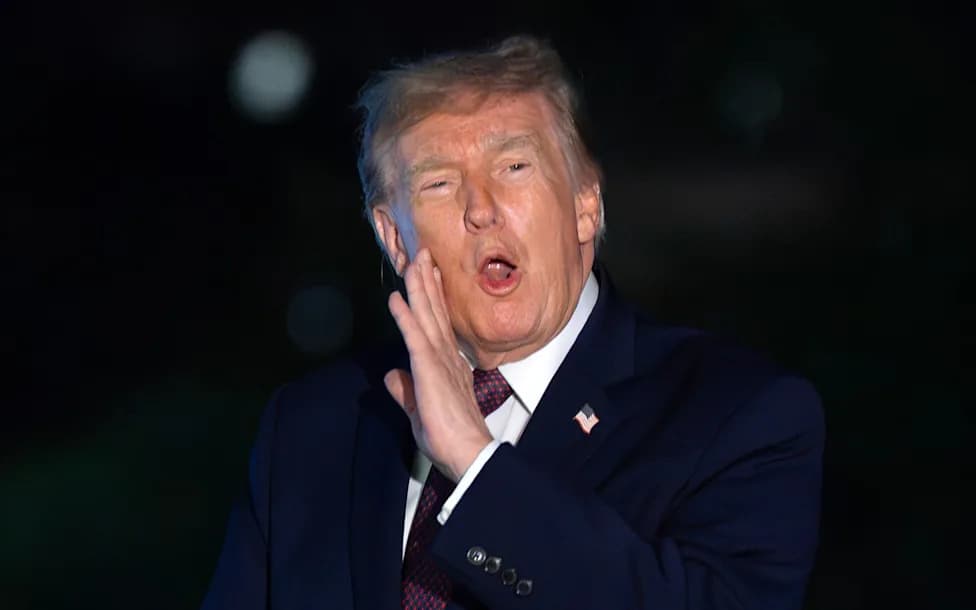
President Donald Trump announced the operation, dubbed Project Freedom, which U.S. Central Command (CENTCOM) describes as a multilayered defensive effort to restore and protect commercial transit through the strategic waterway. CENTCOM said the mission involves roughly 15,000 U.S. troops, U.S. Navy destroyers, more than 100 land- and sea-based aircraft and undersea assets.
Combat Actions and Claims
Admiral Brad Cooper, commander of CENTCOM, said Iranian Revolutionary Guard Corps (IRGC) units launched multiple cruise missiles, drones and small boats at ships that U.S. forces were protecting. "We have defeated each and every one of those threats through the clinical application of defensive munitions," Cooper said.
"The IRGC has launched multiple cruise missiles, drones and small boats at ships we are protecting. We have defeated each and every one of those threats through the clinical application of defensive munitions," Admiral Brad Cooper said.
Cooper said U.S. Apache and Seahawk helicopters were responsible for sinking the Iranian fast boats. President Trump, writing on social media, estimated U.S. forces had sunk seven Iranian fast boats, a figure higher than the six reported by CENTCOM.
Transit, Mine Clearance and International Reactions
U.S. planners said the operation began with mine-clearing along shipping channels and then demonstrated the route's safety by sending two U.S.-flagged commercial vessels through the strait. Tehran disputed those claims: Iran's Revolutionary Guards said no commercial vessels had passed in recent hours and Iranian state media denied reports that Tehran had lost vessels.
A South Korean ship suffered an explosion in the Strait of Hormuz on Monday. U.S. officials said the vessel was not part of Project Freedom; President Trump suggested the ship might join coalition efforts to secure shipping.
CENTCOM emphasized that Project Freedom is more than a simple escort operation. Cooper described it as a layered defense that combines surface ships, helicopters, fixed-wing aircraft and electronic-warfare capabilities to deter and defeat Iranian threats to merchant traffic.
MarineTraffic data cited in U.S. reporting showed 805 commercial vessels — including tankers, container ships, auto carriers and bulk carriers — had transmitted automatic identification system (AIS) signals from within the Gulf in the prior 24 hours, underscoring the region's commercial congestion and the international stakes involved. CENTCOM also said a U.S. blockade on Iran, preventing commercial calls to or departures from Iranian ports, remained in effect.
Why It Matters
The Strait of Hormuz is a chokepoint for global energy supplies; before the conflict it carried about one-fifth of the world's oil and liquefied natural gas. U.S. officials said Project Freedom aims to reduce disruptions to international energy shipments and reassure global shipping that transit is possible despite Iranian threats.
(Reporting by Phil Stewart and Idrees Ali; Additional reporting by Lisa Baertlein; Editing by Nick Zieminski, Joe Bavier, Cynthia Osterman and Neil Fullick)
Help us improve.