The study of 1.6-million-year-old fossils from East African wetlands finds stone-tool cut marks and percussion fractures indicating butchery and marrow extraction by early hominins. Scarcity of carnivore tooth marks and intact limb ends suggest hominins accessed carcasses soon after death, implying active acquisition rather than only passive scavenging. The assemblage is dominated by limbs and occasional heads, pointing to selective removal of portable, high-return parts under pressure from other carnivores.
Early Hominins Ate 'Takeout' Cuts — Stone-Tool Marks Reveal Active Meat Acquisition
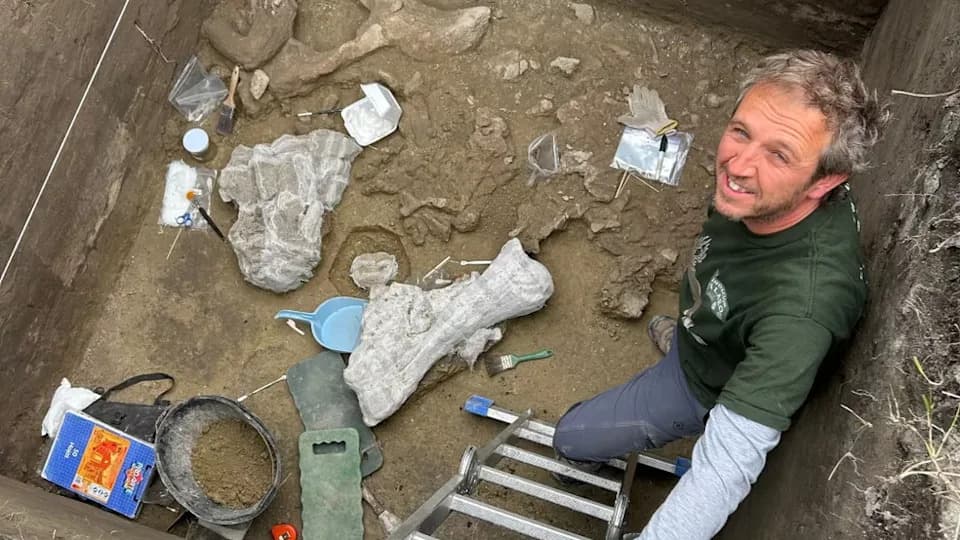
It took enormous energy for Homo sapiens to evolve our large brains, and animal flesh likely played a crucial role. New research published in the Proceedings of the National Academy of Sciences examines 1.6-million-year-old fossils from East African wetlands and shows early hominins removed and processed high-value parts of carcasses using stone tools.
Study Details
An international team of paleoanthropologists analyzed an assemblage of bones and hominin teeth attributed to either Homo erectus or Homo habilis. Most of the mammal remains were limb elements from large bovids. Detailed microscopic and macroscopic examination identified stone-tool cut marks and percussion scars consistent with butchery and bone-cracking for marrow extraction.
What the Bones Reveal
Cut marks and distinctive fracture patterns indicate hominins defleshed limbs and deliberately smashed bones to reach marrow. Carnivore tooth marks were rare, and the distal ends of limbs—the parts predators typically consume first—were largely intact. That pattern suggests hominins had access to carcasses soon after death, favoring active acquisition (hunting or aggressive scavenging of fresh kills) over passive, late-stage scavenging.
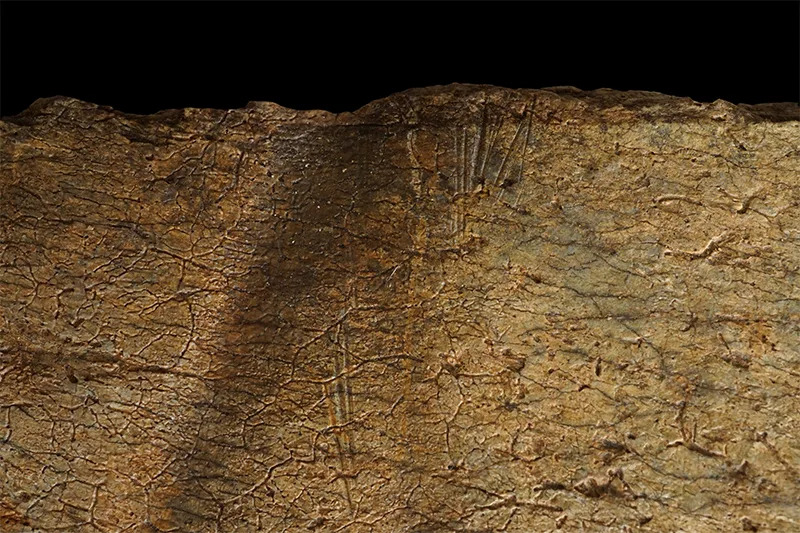
DINNER TIME:This fossilized bone, found in Kenya, shows cut marks from early hominin butchering.Photo by Sharon Kuo.
Behavioral Implications
The assemblage is dominated by limbs and occasional heads of larger animals, while whole carcasses appear mostly for small antelopes. This selective removal of portable, high-return portions implies early hominins operated under pressure from other carnivores and avoided lingering at kills. In practice, they took the best, most transportable cuts—an ancestral strategy akin to taking ready-to-eat 'takeout' portions.
Why It Matters: Targeting energy-dense, portable meat and marrow with simple stone tools would have improved calorie intake while reducing risk from predators, a dietary shift that likely contributed to the energetic foundation for later brain expansion.
Study published in the Proceedings of the National Academy of Sciences; fossils dated to ~1.6 million years ago from East African wetlands. Lead image: jinnatun / Adobe Stock.
Help us improve.