Peer review is under strain: manuscript volume has surged while reviewer capacity—and formal recognition of reviewing—has not. Journal proliferation, academic incentives for quantity, and open-access business models have increased submissions; academics face heavier workloads and little credit for reviewing. Practical fixes include formally counting review as labor, offering incentives, improving triage and data checks, and experimenting with open peer review to protect research quality and public trust.
Peer Review Is Strained — Count It As Work Before It Breaks
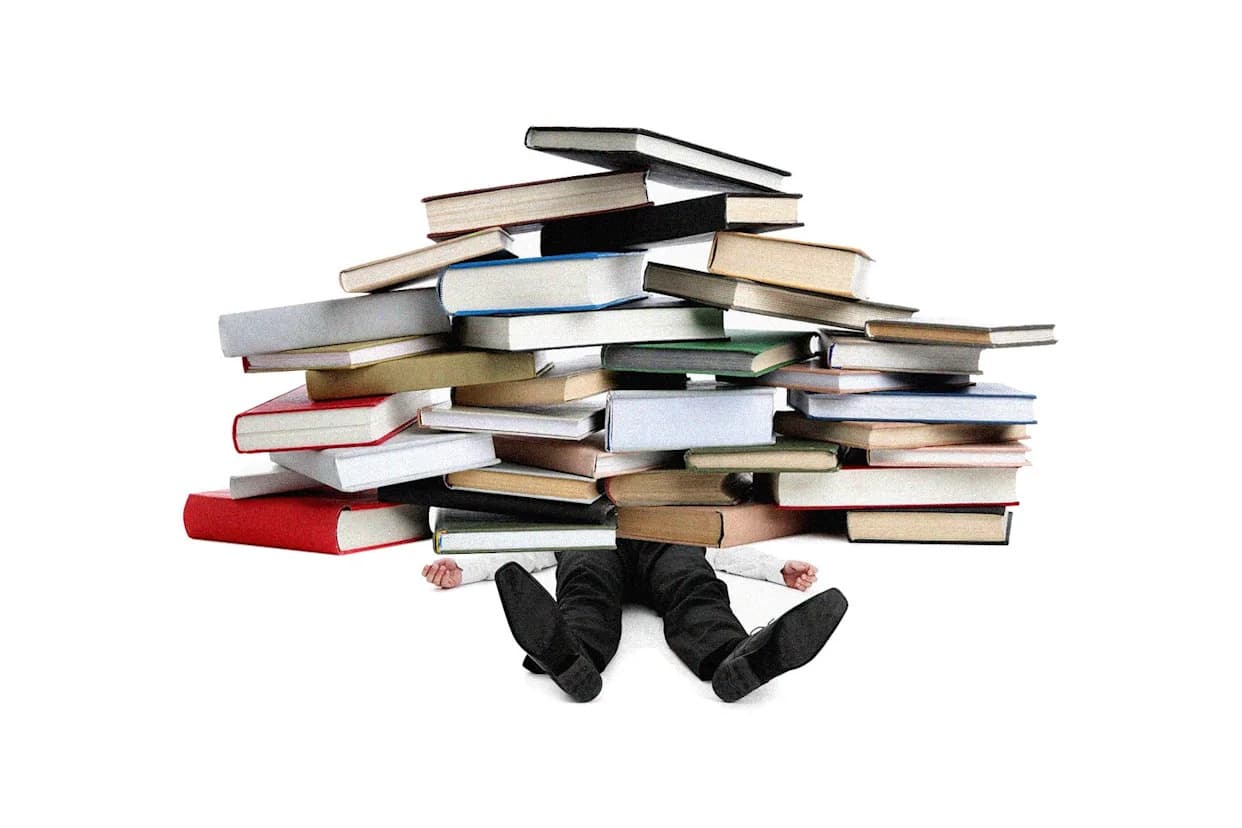
Not long ago a routine manuscript arrived on my desk: solid, incremental research that would add another brick to the scientific edifice. The paper posed no clear editorial problem. The real challenge was finding anyone willing to review it. After a month of persistent emails I finally located two colleagues prepared to do the job.
The Review Crisis
Peer review—the largely invisible process that vets scientific claims—is under real stress. When independent experts cannot be found to evaluate submissions, the filter that protects the reliability of medicines, engineering standards, and everyday technology weakens. The result is slower publication, more errors, and a public that has more reason to doubt science.
Why Submissions Have Exploded
Several converging forces have outpaced the pool of available reviewers:
- Rapid growth in publications: One study found published articles rose by nearly 50% between 2016 and 2022.
- Proliferation of journals: Large publishers now oversee roughly 50,000 journals. Many new titles—fueled by open-access models that shift costs to authors—have lowered barriers to publication. For example, MDPI grew from 14 journals in 2000 to 487 today, while Frontiers expanded to more than 220 titles since 2007.
- Academic incentives: Grants, rankings, and internal metrics reward quantity. Goodhart’s Law applies: when publication counts become the target, output is optimized for the metric rather than for lasting impact.
- Contentification of research: Studies are increasingly split into multiple papers (data papers, methods papers, software papers), multiplying submissions from the same project.
Why Reviewers Decline
Scientists face heavier workloads—more meetings, emails, grant proposals, teaching, and administration—without corresponding time increases. Peer review is usually unpaid and rarely counted in hiring, promotion, or funding decisions. The implicit bargain that "if you publish three papers you should review three papers" breaks down when some authors publish dozens or hundreds of papers a year and cannot reciprocate.
Technology Helps, But Isn’t a Fix
Some journals use artificial intelligence to screen manuscripts and flag routine problems. Those tools can improve efficiency at the margins, but human judgment remains essential for novel science. Worse, easier manuscript drafting via AI may further increase submission volume—and editors are already spotting AI fingerprints in submissions.
Consequences And High-Profile Failures
When review is overtaxed, poor or misleading work is more likely to slip through. Notable examples include several high-profile COVID-19 papers in 2020 that were published and later retracted when their underlying data could not be independently validated. More recently, the Dana-Farber Cancer Institute agreed to pay $15 million to resolve allegations of data or image misrepresentation in research that had passed peer review. Retractions and major corrections have increased in recent years—sometimes reflecting better policing, but also signaling strain in the system.
Practical, Concrete Fixes
The system can be repaired if stakeholders treat peer review as the essential labor it is. Practical reforms include:
- Count peer review as labor: Establish formal credit for reviewing in hiring, promotion, and grant evaluations. Peer review is valued at roughly $1.5 billion annually in the U.S.; it should be recognized accordingly.
- Incentivize reviewing: Offer honoraria, reduced publication fees, or other meaningful rewards tied to service.
- Improve triage and data checks: Strengthen front-line screening to reject low-quality submissions before they consume reviewer time and require stronger data availability and reproducibility checks.
- Experiment with open review and transparent service records: Increase accountability and give reviewers professional visibility for their contributions.
Conclusion
Peer review was never perfect—only good enough to keep us honest. But we have stretched that pragmatic system to its limits by expanding publication channels and incentives without recognizing the human labor that sustains quality. If universities, publishers, funders, and researchers begin to treat peer review as real, credit-bearing work and test sensible reforms, the system can be strengthened. If not, we will continue to see a noisier, slower, and less trustworthy scientific record.
Help us improve.