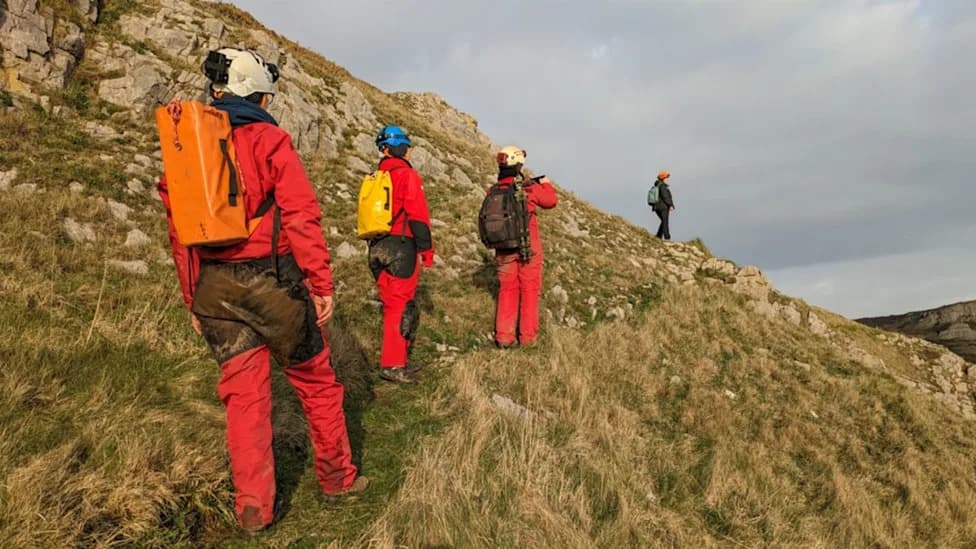
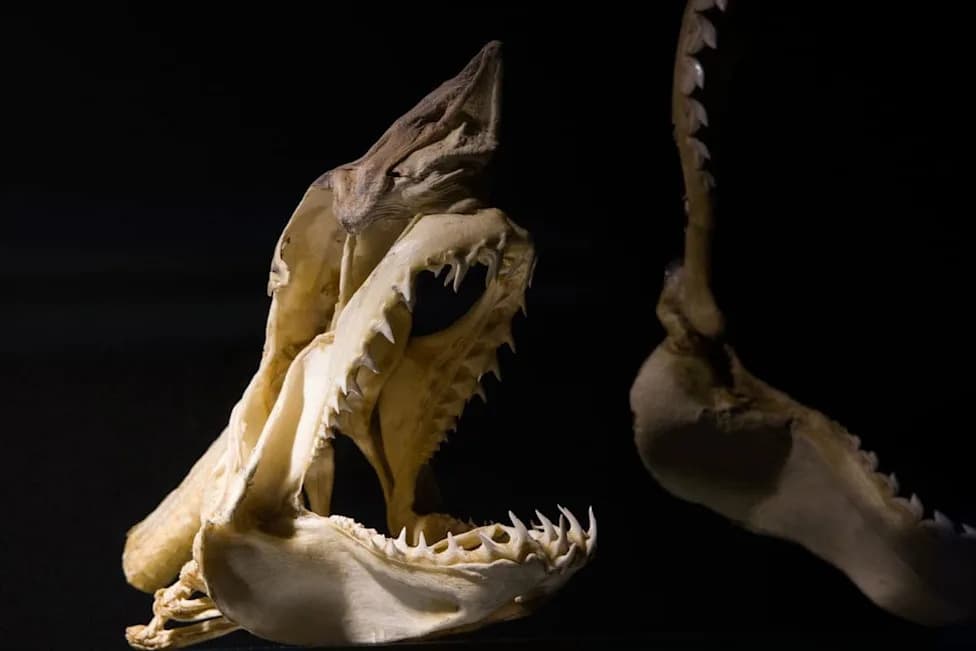
Archaeologists excavating Wogan Cavern beneath Pembroke Castle have uncovered remarkably preserved remains, including hippopotamus bones dated to about 120,000 years ago, a woolly rhino molar and stone tools. The University of Aberdeen team says the site is unparalleled in Britain and could reshape understanding of the country’s prehistoric record. Researchers will resume digging in May and plan high-resolution dating and environmental analyses to reconstruct past climates and ecosystems.
120,000-Year-Old Hippo Bones Found in Secret Cave Beneath 11th-Century Pembroke Castle
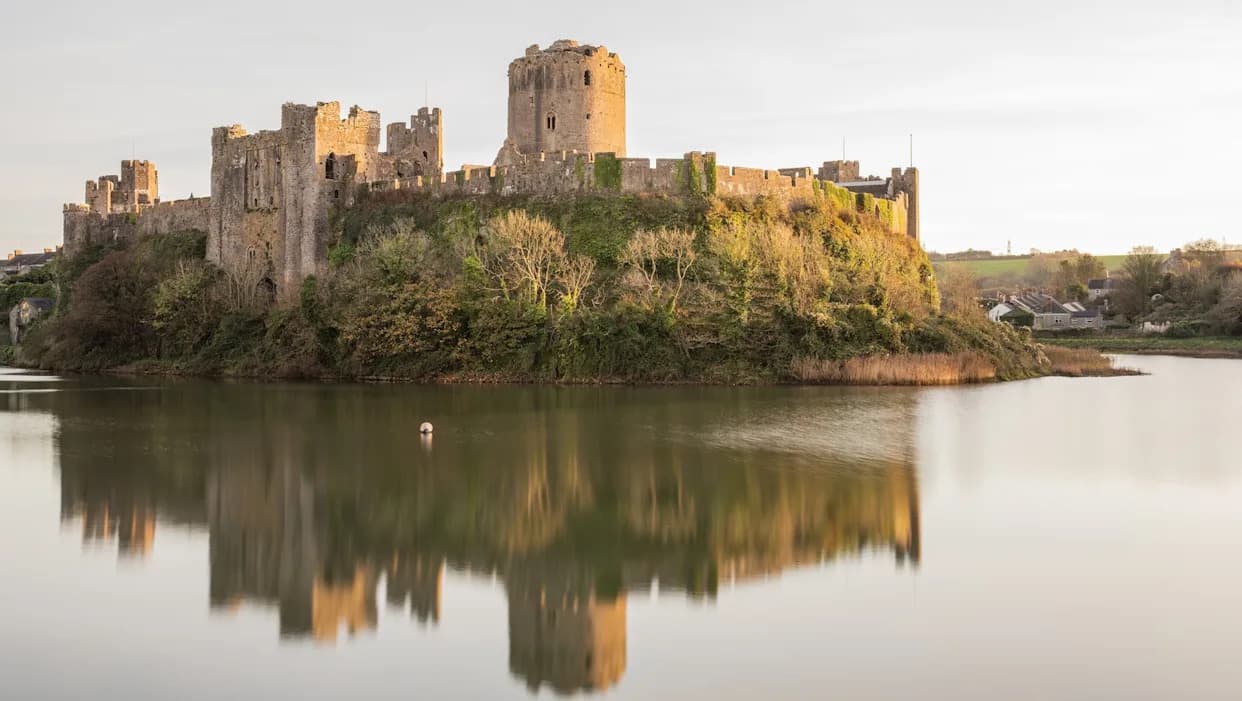
Photo Credit: iStock
Archaeologists have uncovered exceptionally well-preserved prehistoric remains, including hippopotamus bones dated to roughly 120,000 years ago, in a hidden chamber beneath Pembroke Castle in Pembrokeshire.
Where and who: The finds come from Wogan Cavern, a previously little-explored cave below the 11th-century castle. The initial excavation was led by Rob Dinnis of the University of Aberdeen and has drawn attention from major UK media and broadcasters.
What was discovered
Excavation teams recovered hippo bones, a molar from a woolly rhinoceros and an array of stone tools. Researchers describe the site as "extremely rare" for Britain because the combination of animal remains, human artefacts and well-preserved sediments offers a unique window into late Pleistocene environments in the region.
"There is no other site like it in Britain — it is a once‑in‑a‑lifetime discovery," said Rob Dinnis in a University of Aberdeen press statement.
Why it matters
Specialists say the cavern could reshape aspects of Britain’s prehistoric record by providing direct evidence of the animals and human behaviours present in this part of the British Isles during colder and warmer phases of the last Ice Age. Because the bones and sediments are well preserved, scientists plan to apply high-resolution dating and a range of environmental analyses to reconstruct past climates and ecosystems.
Katie Britton, a specialist in science-based archaeology at the University of Aberdeen, noted: “Wogan Cavern provides a unique chance to use all the scientific techniques now available to archaeologists. Because the bones are well preserved, we can learn a lot about past environments and ecosystems, and do high-resolution scientific dating.”
Next steps and wider relevance
Excavations are scheduled to resume in May. The research team hopes the new data will improve understanding of how past climate shifts affected humans and animals — information that could inform models of ecological response and future risk.
Public reaction on social media has ranged from excitement to curiosity. Some commenters speculated about Pembroke Castle’s royal history and possible menageries, but historians point out that Tudor royal menageries (from about 1485 onward) are far more recent than these prehistoric remains.
Media and outreach: Channel 4 News published striking images from the dig, and the discovery has been covered by the BBC and other outlets, highlighting both its scientific importance and public fascination.
Help us improve.