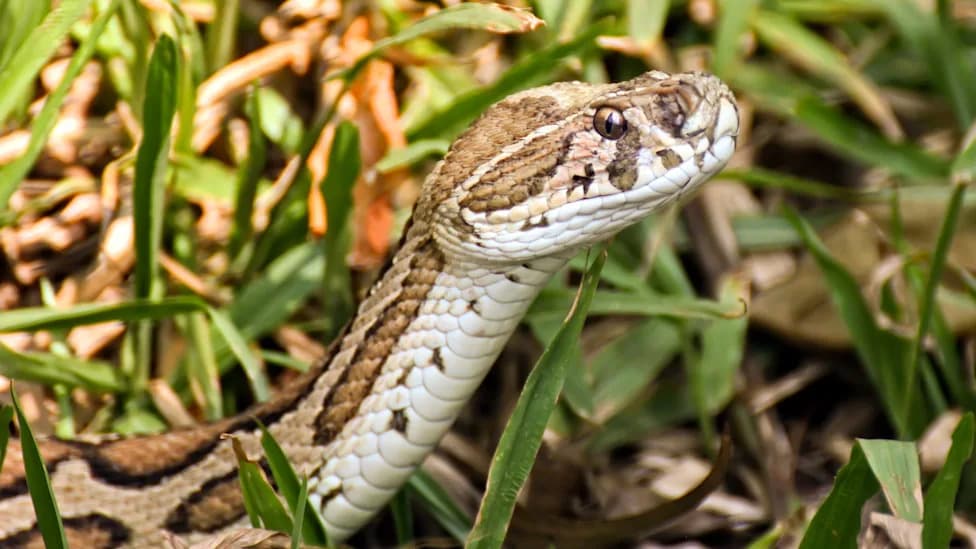
Researchers have described Vasuki indicus, a 47‑million‑year‑old giant snake from Gujarat, India, known from 27 well‑preserved vertebrae. Estimated at 36–50 feet long, the species may rival the size of Titanoboa. Assigned to the madtsoiidae family, Vasuki may have preyed on early horse and rhino relatives and could represent a large madtsoiid lineage that originated in India and later dispersed into Europe and Africa. The study also notes that modern rapid warming is unlikely to produce similarly enormous cold‑blooded animals.
Meet Vasuki indicus: A 47‑Million‑Year‑Old Snake From India That May Have Reached 36–50 Feet
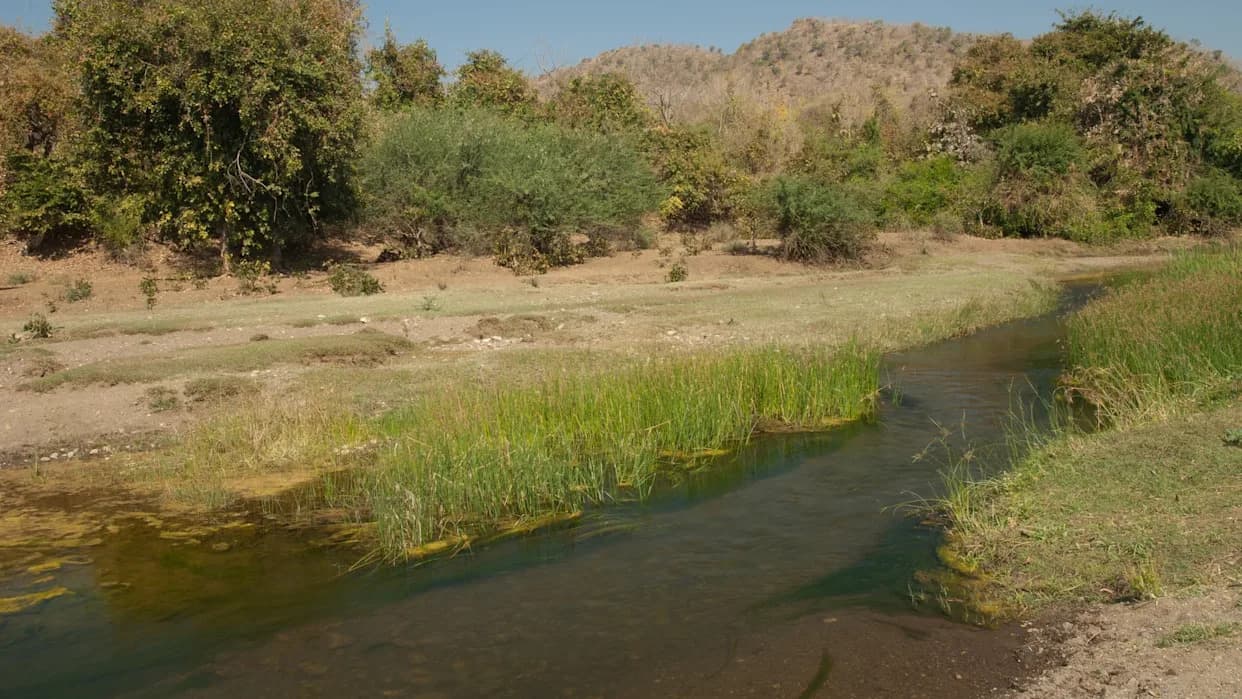
Photo Credit: iStock
Scientists have described a giant, 47‑million‑year‑old snake from Gujarat, India, that could rank among the largest ever discovered. The species, named Vasuki indicus, is known from 27 mostly well‑preserved vertebrae recovered from the Panandhro Lignite Mine in Kuchchh (Kutch), Gujarat.
Fossils, Size Estimates, and Where They Were Found
Researchers Debajit Datta and Sunil Bajpai examined 27 vertebrae, some of which remained articulated. Individual vertebrae measured roughly 1.5–2.5 inches long and several exceeded 4 inches in width. Based on these dimensions and comparisons with other giant fossil snakes, the team estimates that Vasuki indicus may have reached between 36 and 50 feet (about 11–15 meters) in total length — potentially longer than a standard school bus.
How It Compares to Other Giant Snakes
By comparison, the well‑known Titanoboa from Colombia is estimated at roughly 48 feet. The new discovery therefore places Vasuki among the largest snakes known from the fossil record, although the exact ranking depends on the methods used to extrapolate total length from vertebrae.
Ecology and Classification
Vasuki indicus has been assigned to the family Madtsoiidae, a long‑lived group of snakes that persisted from the Late Cretaceous into the Late Pleistocene. The fossil bones date to about 47 million years ago (Eocene). Based on other fossils recovered from the same deposits, the giant snake may have preyed on contemporaneous ancestors of horses and rhinoceroses, likely using ambush and constriction strategies similar to modern anacondas.
Biogeography and Climate Context
The authors propose that Vasuki may represent an early, large‑bodied madtsoiid lineage that originated in India and later dispersed into southern Europe and Africa during the Eocene. The Eocene's warm climate supported very large cold‑blooded animals, but the researchers caution that modern, rapid human‑driven warming is occurring too quickly for similar evolutionary responses to produce comparably giant reptiles.
"Since this group was dominated by madtsoiids from India and Vasuki was the most primitive ancestor in the family tree, we inferred that this group of snakes originated in India," Bajpai said, according to Nature India.
Why it matters: The discovery adds to our understanding of snake evolution, paleobiogeography, and how past climates influenced the maximum sizes of cold‑blooded animals. While size estimates come with uncertainties, Vasuki indicus is a striking example of the giant fauna that once inhabited Eocene landscapes in South Asia.
Help us improve.