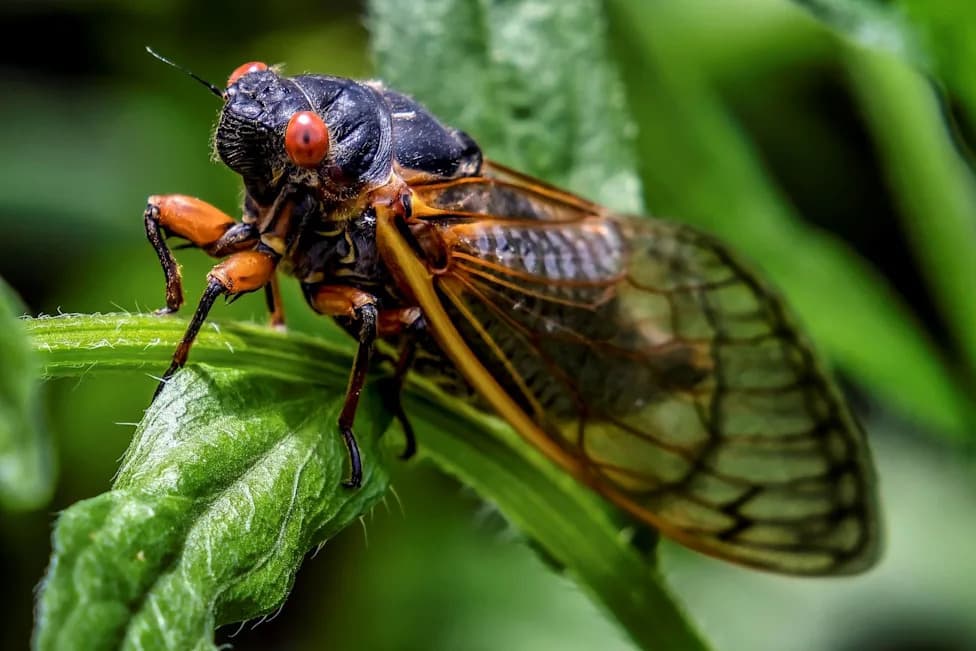
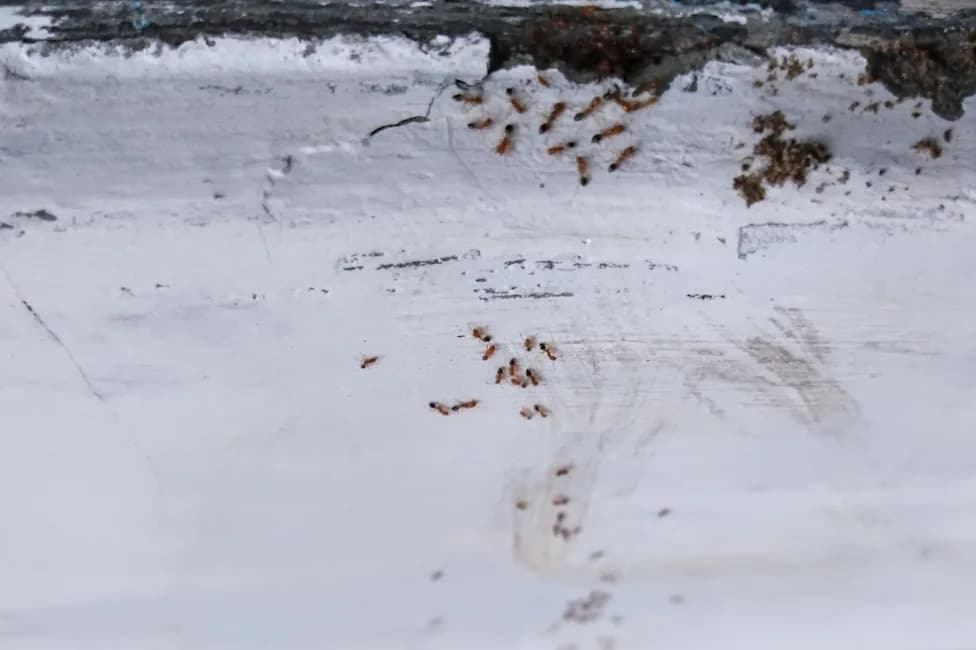
Brazilian researchers used condoms as airtight covers to test the function of clay towers built by Amazonian cicada nymphs. The study, published in Biotropica, found eight times fewer ants on towers—supporting a protective role—and showed that sealing towers induced respiratory stress. Larger towers recovered faster after seals were removed, suggesting greater internal volume and material buffer airflow. Further work is needed to determine whether height, soil conditions, or stronger builders explain the advantage.
Why Amazonian Cicadas Build Mud Towers: Researchers Used Condoms to Test Ventilation and Defense
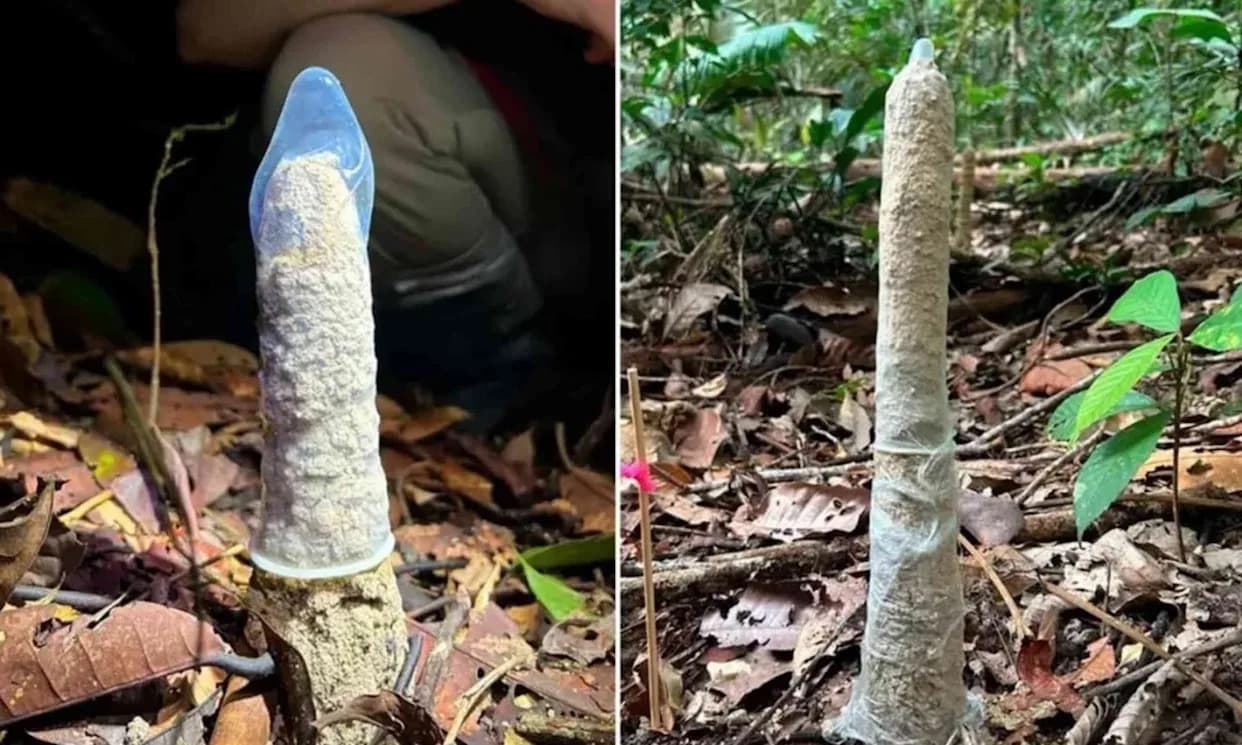
Photo Credit: Marina Méga, et al.
Creativity is often essential in fieldwork, and a team of Brazilian researchers embraced an unconventional tool—condoms—to probe why certain Amazonian cicadas construct small clay towers above their subterranean burrows. A study published in Biotropica and summarized by Earth.com used this novel method to test two leading ideas about the towers' function: protection from predators and assistance with underground respiration.
Study Design and Methods
The researchers examined the clay towers that cicada nymphs build while still developing underground. To assess the towers' protective role, they compared ant activity on towers versus the surrounding ground and found eight times fewer ants on the towers. To test whether the structures aid ventilation, the team sealed individual towers with condoms (40 were used in the experiment) to block external airflow, then removed the seals the following day to observe the cicadas' responses.
Key Observations
The field trial confirmed earlier reports that cicadas perform daily maintenance on their towers. When seals were removed, larger towers generally showed faster regrowth overnight, while smaller towers rebuilt less by the next morning. The investigators reported that sealing created measurable respiratory stress for nymphs still underground, suggesting the towers help moderate airflow and internal air quality.
"Larger towers showed faster growth after the seal was removed, while smaller ones rebuilt less by the next morning," the authors noted, adding that more clay and greater internal volume might buffer stale air and give bigger structures an advantage under restricted airflow.
Interpretation and Open Questions
While the experiment supports both defensive and ventilatory functions for the towers, it does not definitively explain why taller or larger towers cope better with restricted airflow. Possible explanations include tower height itself, differences in soil composition or moisture, or variation in builder strength among cicada individuals. The authors call for further experiments to disentangle these factors—possibly with more inventive field methods.
Why This Matters
The study highlights how small-scale construction by insects can influence survival underground and showcases innovative, low-cost experimental approaches in challenging environments like the Amazon. Understanding these microhabitats improves our knowledge of insect life history, ecosystem interactions, and the subtle engineering solutions evolved by small animals.
Help us improve.