New report: FIDH, Truth Hounds and the Kazakhstan International Bureau for Human Rights say Russia has institutionalized a global recruitment pipeline that has drawn at least 27,000 foreign nationals from more than 130 countries into the Ukraine war. Investigators argue recruitment shifted from volunteer fighters to an institutional model by mid-2023, using incentives but also coercive and deceptive practices. The report finds some cases likely meet international trafficking definitions and calls for diplomatic pressure and repatriation.
Report: Russia Built State-Backed Global Recruitment Pipeline Targeting Vulnerable Migrants for the Ukraine War
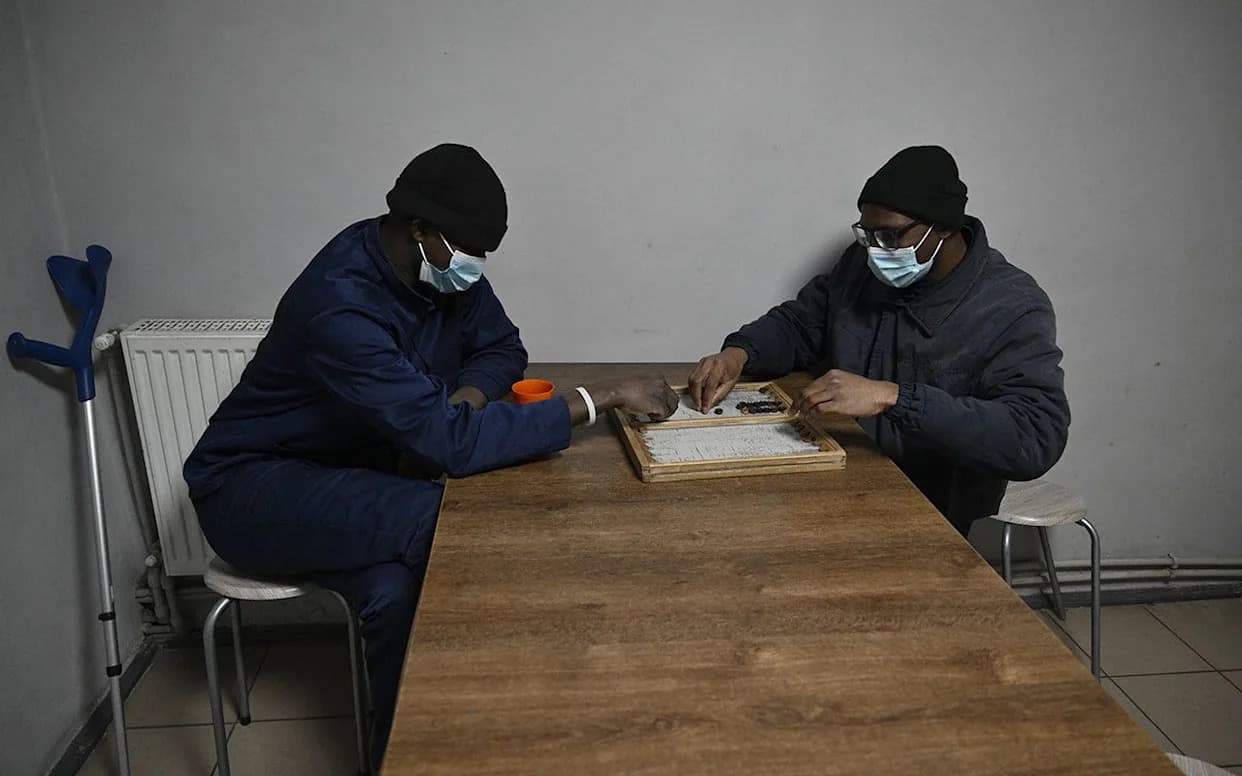
Russia built global recruitment pipeline targeting vulnerable migrants for Ukraine war: report
A new joint investigation by the International Federation for Human Rights (FIDH), Truth Hounds and the Kazakhstan International Bureau for Human Rights documents what investigators describe as a state-enabled global recruitment system that has drawn tens of thousands of foreign nationals into Russia's war in Ukraine. The report alleges that the system specifically targets legally and economically vulnerable populations and relies on a mix of incentives, deception and coercive practices that in some cases meet definitions of human trafficking.
Key Findings
The report finds that at least 27,000 foreign nationals have been recruited since February 2022 from more than 130 countries across Central and South Asia, Africa, the Middle East and Latin America. Ukrainian authorities cited in the report estimate Russia could recruit an additional 18,500 foreign nationals in 2026 — the highest annual total since the full-scale invasion began in 2022.
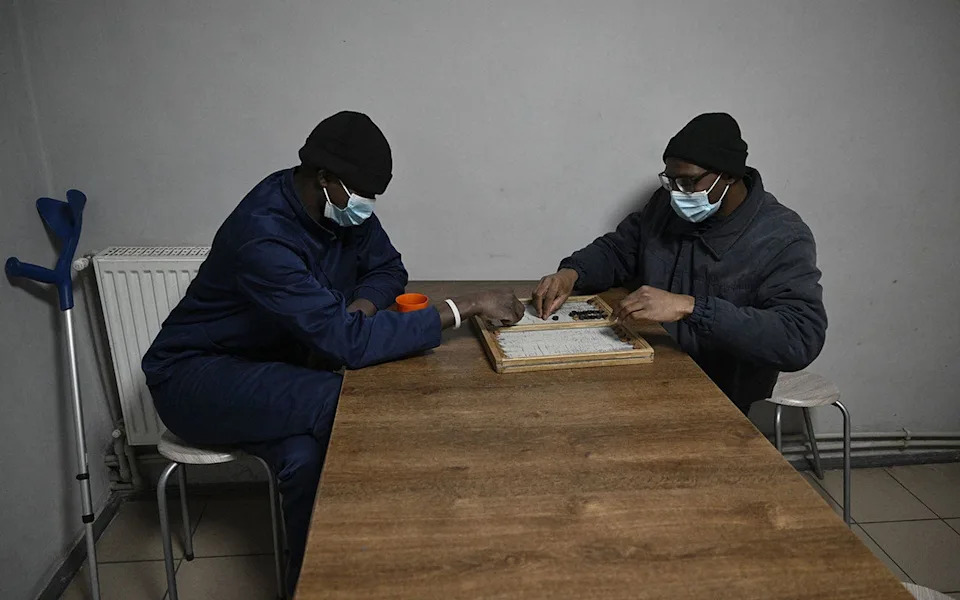
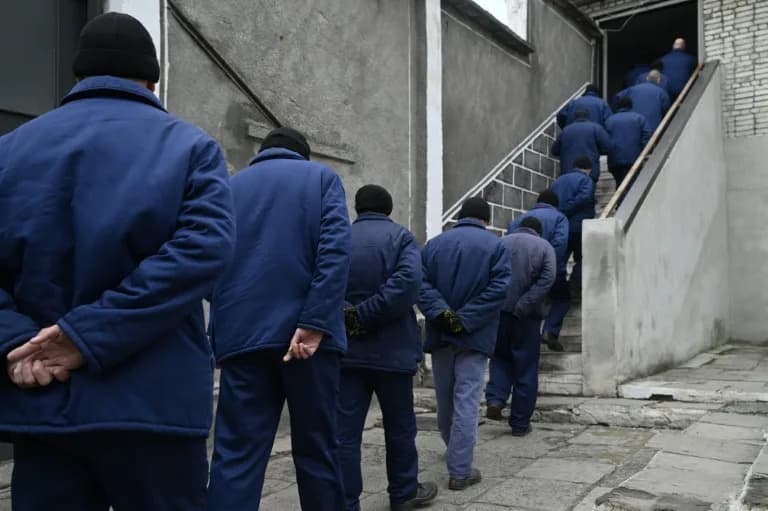
Nationals of African countries sit in a section of a detention center holding foreign fighters captured while serving in the Russian army on the Ukrainian front in western Ukraine on Nov. 26, 2025.(Getty Images)
From Volunteers To An Institutional Model
Investigators say recruitment evolved over time. Early reliance on ideologically motivated volunteers gave way, by mid-2023, to a broader, institutionalized model. Changes cited include expanded legal eligibility for foreign recruits, relaxed language and residency requirements, and offers of citizenship, salaries or other incentives in exchange for military service.
Allegations Of Coercion, Deception And Trafficking-Like Practices
Inside Russia, the report alleges migrants were pressured to enlist through raids, threats of detention, confiscation of documents, fabricated criminal charges and mistreatment. Outside Russia, recruiters allegedly promised civilian jobs, noncombat roles or migration pathways to Europe and then routed recruits into military contracts they could not read or fully understand.
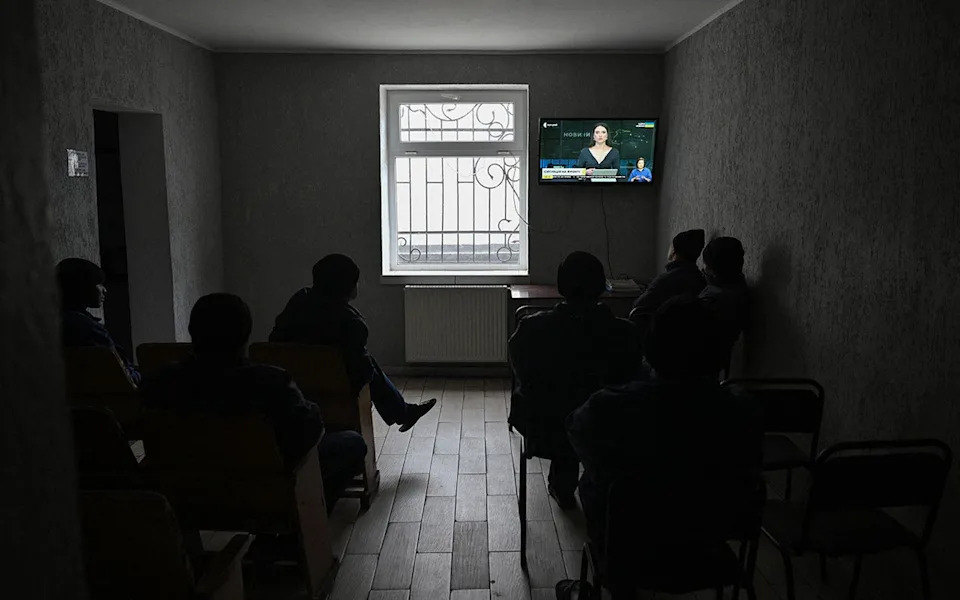
Nationals of African countries watch television in a detention center in western Ukraine holding foreign fighters captured while serving with Russian forces on the Ukrainian front on Nov. 26, 2025.
Of 16 prisoners of war interviewed for the investigation, 13 said they were told they would not be required to fight but were later deployed to frontline positions — often within weeks.
The report also asserts that many foreign recruits were repeatedly assigned to high-risk frontal assaults — described in the document as so-called "meat assaults" — associated with very high casualty rates. Ukrainian estimates cited in the report put the death toll among foreign fighters at least 3,388, and some estimates suggest that roughly one in five recruits may not survive deployment.
Legal Assessment And Limits
Authors do not claim every recruit was trafficked; they acknowledge that some joined voluntarily for financial reasons. However, the investigators conclude there are reasonable grounds to believe a subset of recruitment cases meet international definitions of trafficking in persons—where deception, coercion or exploitation were used to obtain recruits.
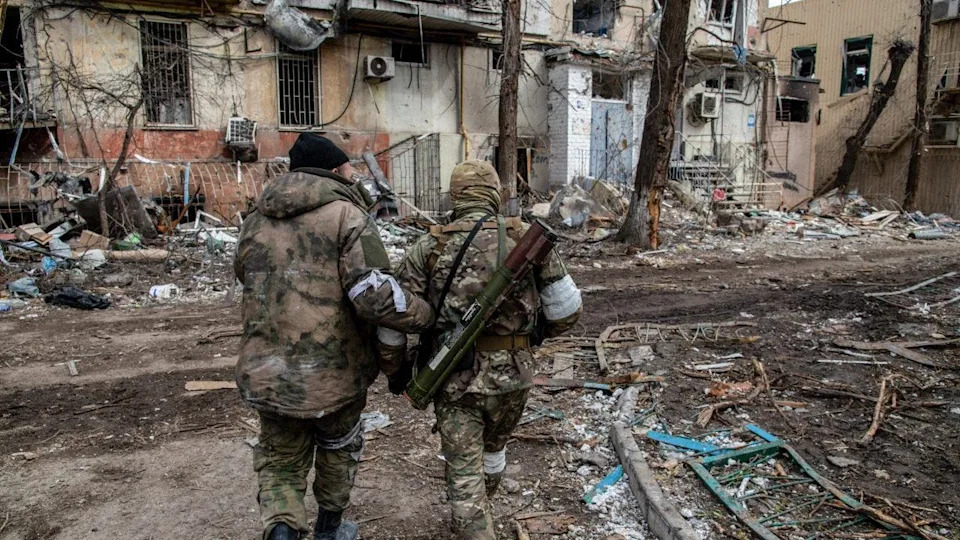
Russian and Chechen soldiers in a devastated Mariupol neighborhood close to the Azovstal frontline.
Calls To Action
The report urges governments, international organizations and Ukraine’s partners to: crack down on transnational recruitment networks; increase diplomatic pressure on Moscow; and prioritize repatriation and legal assistance for foreign nationals already caught in Russia’s military system.
Fox News Digital and other outlets contacted the Russian Embassy in Washington and Russia’s Defense Ministry for comment but did not receive a response, according to the original reporting cited in the investigation.
Why it matters: If accurate, the findings suggest Russia’s war effort now partially depends on a global manpower pipeline that exploits global inequality and legal vulnerability, drawing economically desperate people from around the world into one of Europe’s deadliest conflicts.
Help us improve.