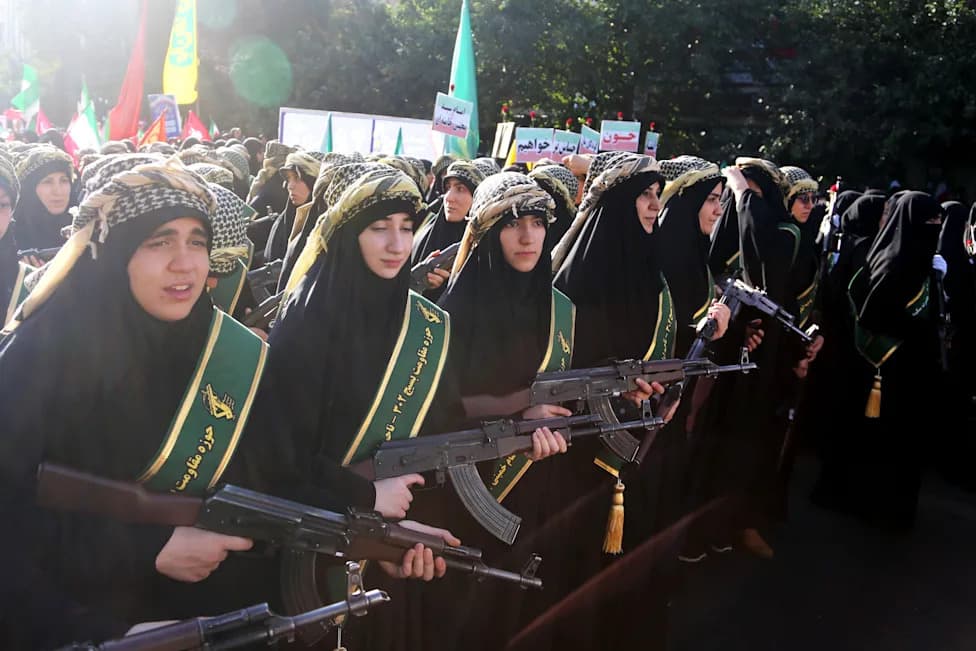
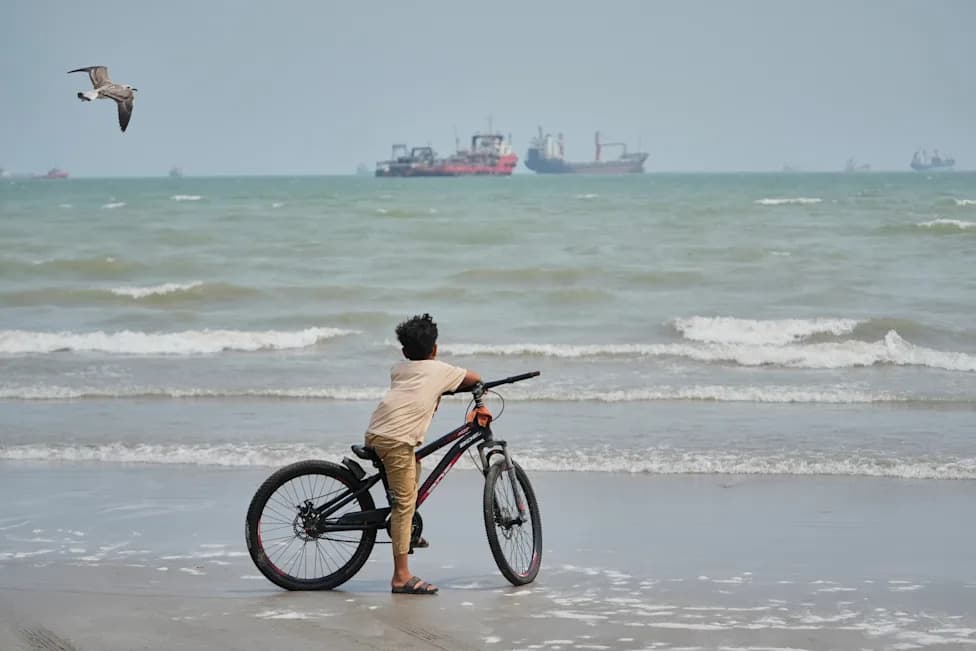
The U.S.-Iran conflict has left the Strait of Hormuz in limbo as President Trump and his national security team weigh an Iranian offer to mutually lift restrictions on the waterway while deferring nuclear talks. Oil and gasoline prices have jumped—pushing Brent above $112/bbl and U.S. pump prices to about $4.18/gal—while Panama Canal traffic has increased as ships reroute. Sanctions, military operations, and humanitarian concerns are intensifying regional strain, and some high-profile claims about Iran's leadership remain unverified.
Strait of Hormuz in Limbo as Trump Weighs Iran Offer; Oil Surges and Regional Tensions Rise
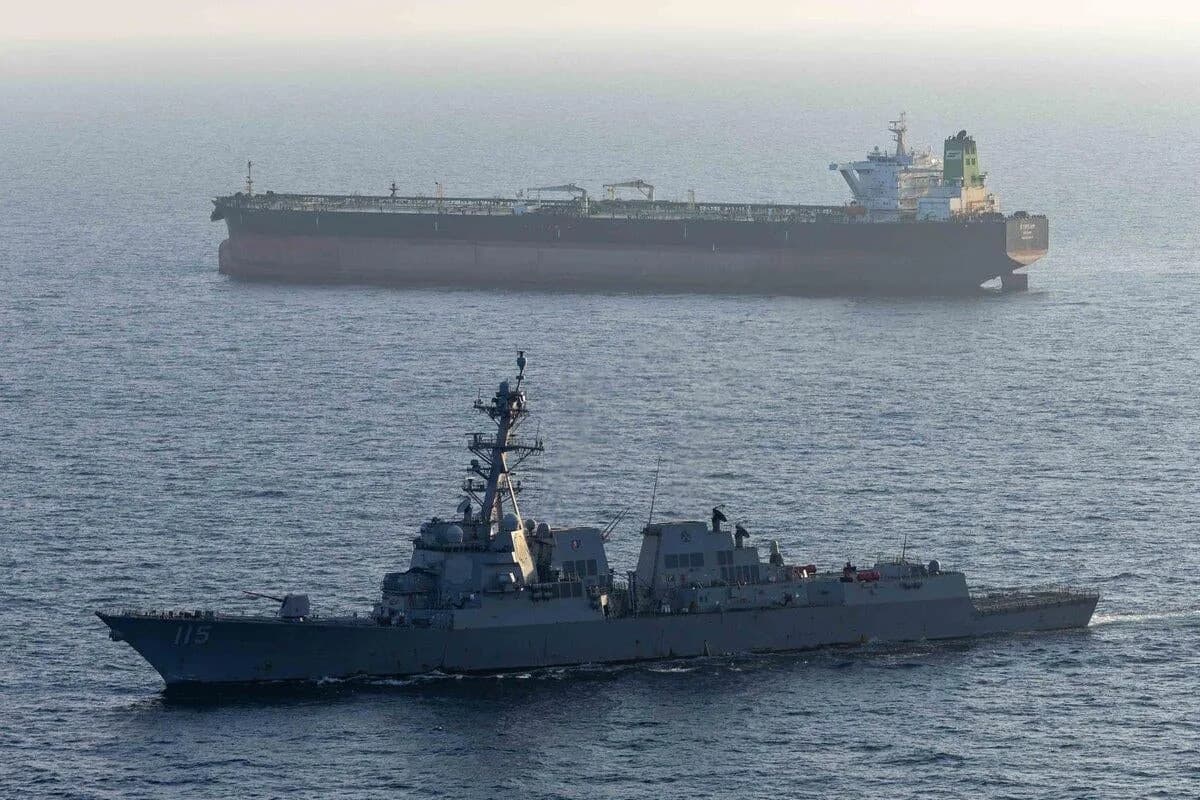
Strait of Hormuz stuck in limbo as Trump mulls Iran's latest offer
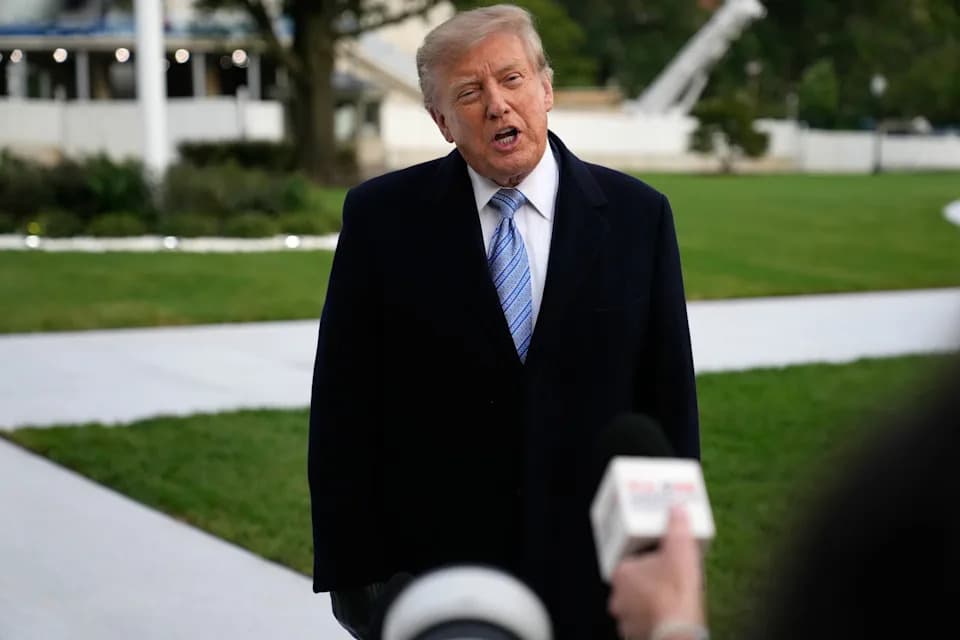
President Trump said Tuesday that Iran had "informed us that they are in a 'State of Collapse,'" a claim he posted without further context as his national security team considered an Iranian offer to mutually lift restrictions on the Strait of Hormuz while postponing talks about Tehran's nuclear program. Oil prices continued to climb, with Brent crude above $112 a barrel, amid no clear sign of a swift resolution to the conflict that has curtailed shipping through the strait.
Regional Fighting and Diplomatic Friction
Fighting between Israel and the Iranian-backed Hezbollah in Lebanon remains a major obstacle to broader negotiations. Israel issued fresh evacuation warnings for several Lebanese towns ahead of planned operations, while Lebanese authorities say thousands have been killed and many more displaced in recent weeks.
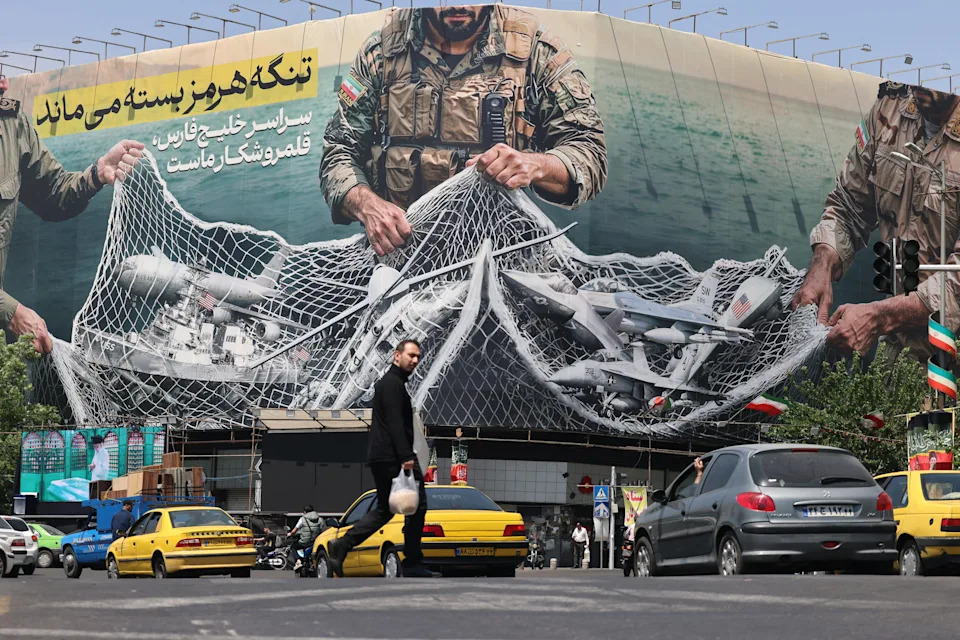
Vehicles drive past a giant billboard reading
Panama Reaffirms Canal Neutrality
Panama reiterated the Panama Canal's neutrality and urged preservation of maritime transit routes as traffic through the canal rises in response to restrictions on the Strait of Hormuz. Canal administrators reported an increase from around 34 daily transits in January to as many as 50 arrivals per day. The canal handles roughly 5% of global maritime trade, with the United States and China among its largest users.
Sanctions, Military Moves and Trade Disruption
The U.S. Treasury announced sanctions on 35 entities and individuals accused of operating elements of Iran's "shadow banking" architecture, which Washington says help finance weapons procurement and proxy operations. Separately, U.S. Marines boarded and searched a commercial vessel in the Arabian Sea suspected of intending to reach Iran; the ship was released after CENTCOM confirmed it would not call at an Iranian port.
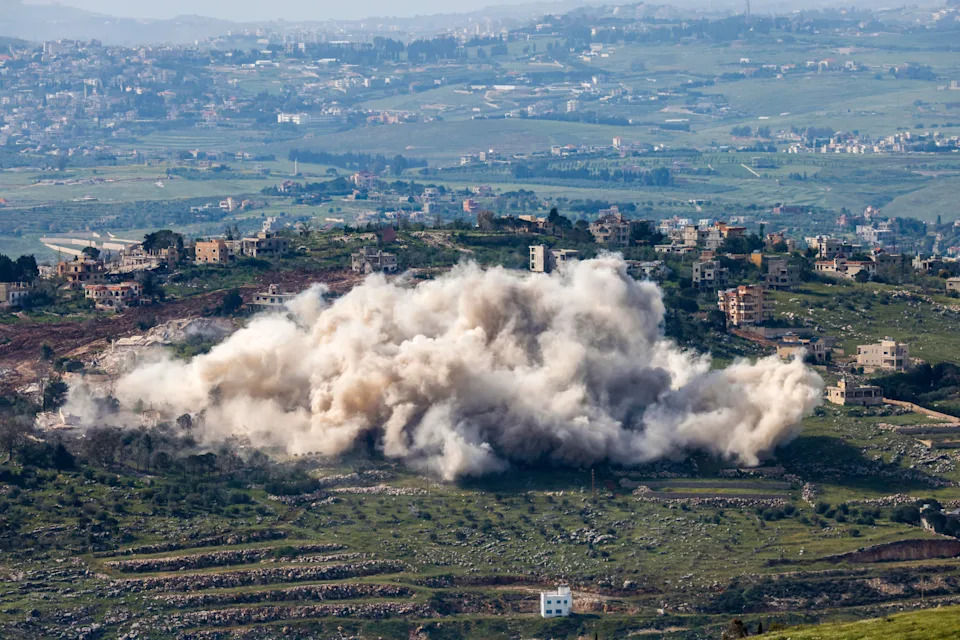
This picture taken from a position in Upper Galilee in northern Israel, near the border with Lebanon, shows smoke rising as the Israeli army demolishes buildings and homes in southern Lebanon, April 27, 2026. / Credit: Jalaa MAREY/AFP/Getty
Domestic Politics And Congressional Oversight
Defense Secretary Pete Hegseth is scheduled to testify before the House Armed Services Committee about the administration's 2027 defense budget and the war's operational needs. Lawmakers are expected to press the administration on the rising costs of the campaign, depletion of munitions, and questions about force protection after Iranian drone attacks.
Economic Impacts
Rising oil prices pushed U.S. gasoline averages to about $4.18 per gallon—highest since 2022—while markets reacted to renewed uncertainty. The World Bank warned the conflict could raise energy prices substantially, hitting developing countries hardest. In response to higher fuel costs, the U.S. budget carriers' trade group requested emergency support to help smaller airlines weather soaring jet fuel prices.
Humanitarian And Relief Efforts
The International Committee of the Red Cross dispatched its president to Iran to assess humanitarian needs and coordinate additional relief deliveries. The ICRC reported recent deliveries of essential supplies and stressed the importance of humanitarian access amid disruptions.
Intelligence, Claims And Reporting From Tehran
The Trump administration has portrayed Iran's leadership as fractured; however on-the-ground reporting from Tehran indicates the government remains largely in control despite severe economic strain, including shortages and high inflation. Conflicting claims about leadership changes and other dramatic developments remain unverified and should be treated cautiously.
Other Notable Developments
- The UAE announced it will withdraw from OPEC on May 1 to gain flexibility to increase oil production.
- Israel says it destroyed an alleged Hezbollah tunnel network near Qantara; the blast registered as a seismic event.
- Four civilian ships—including a Japanese-linked tanker—appear to have transited the Strait of Hormuz recently despite Iran's declared restrictions.
- Sweden warned of possible jet-fuel supply strains in Europe if disruptions persist.
Note on reporting: Some political claims circulating on social media and through official statements remain disputed or uncorroborated. Where possible, this article clarifies which reports are verified, based on on-the-ground reporting and official statements.
Help us improve.