The moringa tree’s seeds show strong promise as a natural coagulant for removing microplastics from drinking water. In lab tests, moringa seed extracts removed 98.5% of PVC microplastics averaging 18.8 µm, matching the performance of aluminum sulfate and exceeding it in alkaline water. Advantages include renewability, biodegradability and less sludge; limitations include one seed treating only ~10 L and unresolved questions on scalability and nanoplastic removal. Further research is needed to confirm real-world effectiveness and the fate of captured particles.
Moringa 'Miracle Tree' Removes 98.5% of Microplastics From Tap Water — Natural Alternative to Alum
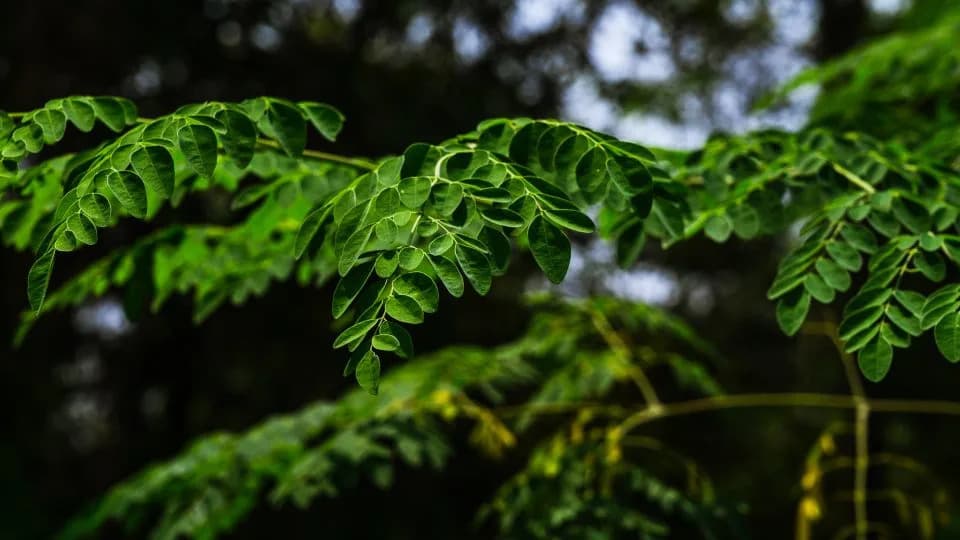
Moringa leaves in Tehatta, India, on March 24, 2026. Seeds from this tree are very efficient at filtering microplastics from tap water, according to new research. - NurPhoto/NurPhoto/NurPhoto via Getty Images
The moringa tree — often called the “miracle tree” for its dense nutritional profile and medicinal uses — may also help tackle microplastic contamination in drinking water. A Brazil–U.K. research team found that extracts from moringa seeds removed 98.5% of PVC microplastics (mean size 18.8 µm) from tap water in filtration tests, a performance comparable to the commonly used chemical coagulant aluminum sulfate (alum).
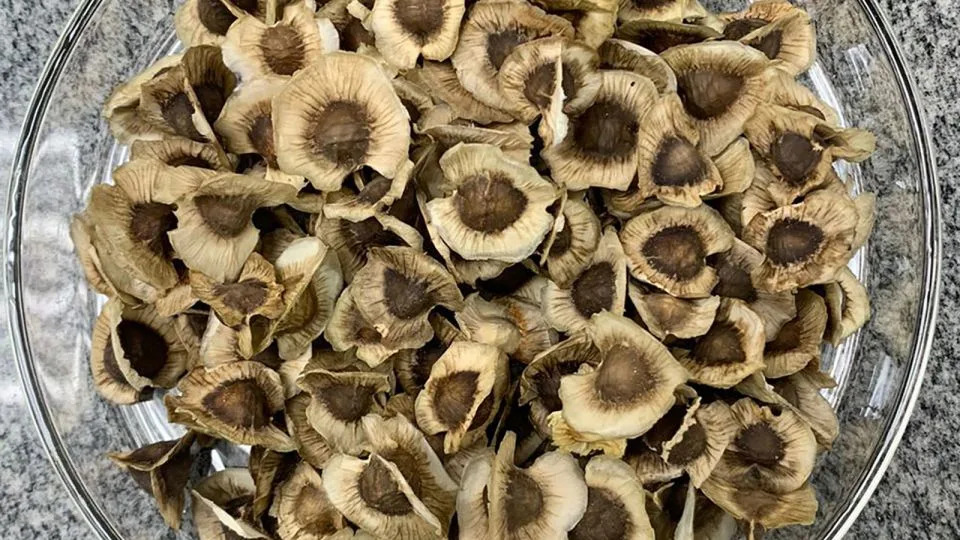
Moringa seeds with husks. - Dr. Adriano Gonçalves dos Reis
Study Details
Researchers led by Adriano Gonçalves dos Reis at the Institute of Science and Technology of São Paulo State University tested moringa seed extracts as a natural coagulant. They focused on PVC microplastics — a widely present and potentially hazardous plastic — and measured removal of particles averaging 18.8 micrometers (about one-quarter the diameter of a typical human hair). In their experiments, moringa extracts achieved a 98.5% removal rate and outperformed alum in more alkaline water.
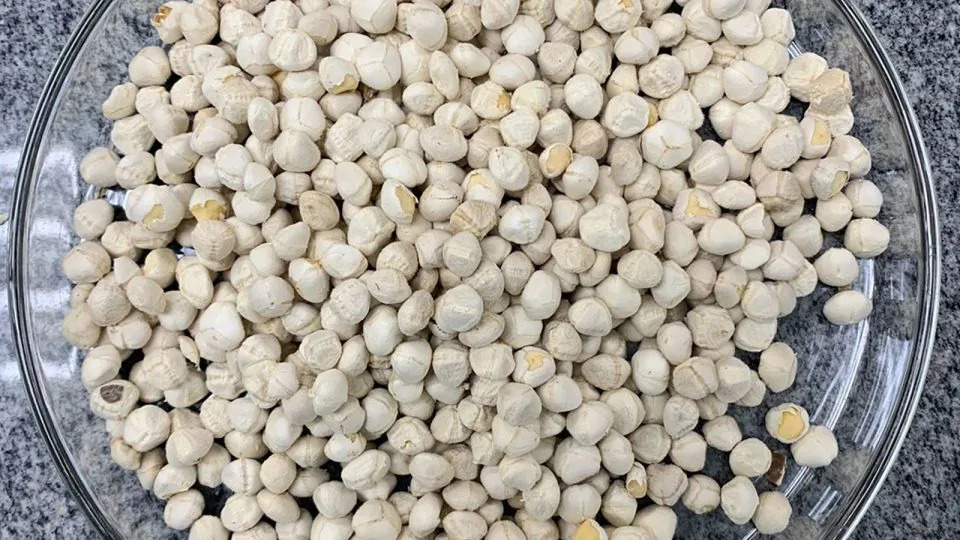
Moringa seeds without husks. - Dr. Adriano Gonçalves dos Reis
How It Works
Coagulants cause tiny particles to clump together so they can be removed by filtration. Moringa seed proteins act as a natural coagulant, binding microplastic particles into larger aggregates that settle or can be caught by filters. The method harks back to historical use of moringa for water clarification by ancient civilizations.
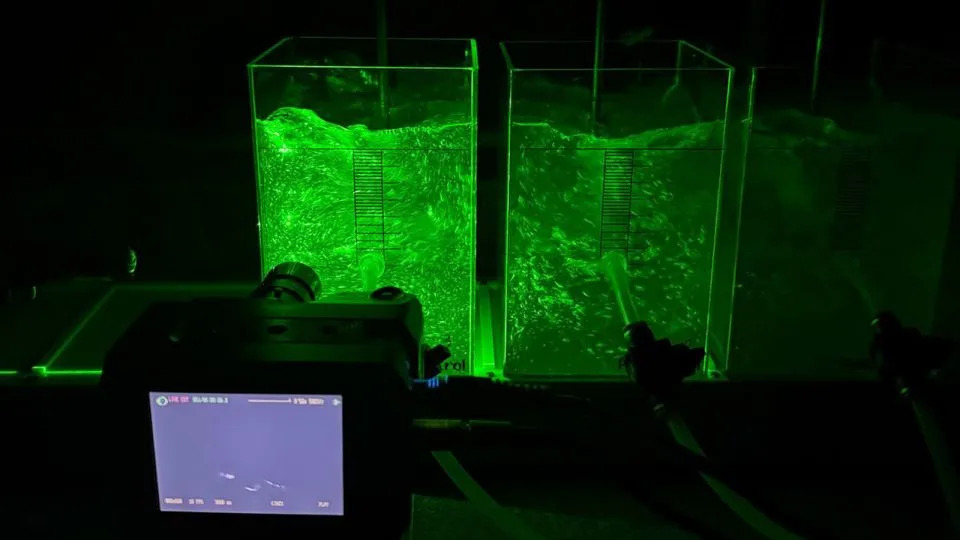
Experimental setup used by the scientists to measure the particle size of the PVC microplastics. - Dr. Adriano Gonçalves dos Reis
Benefits and Limitations
Advantages: Moringa seeds are renewable and biodegradable, produce far less sludge than aluminum-based coagulants, and have fewer toxicity concerns associated with residual aluminum. Using moringa could reduce reliance on aluminum mining and associated environmental impacts.
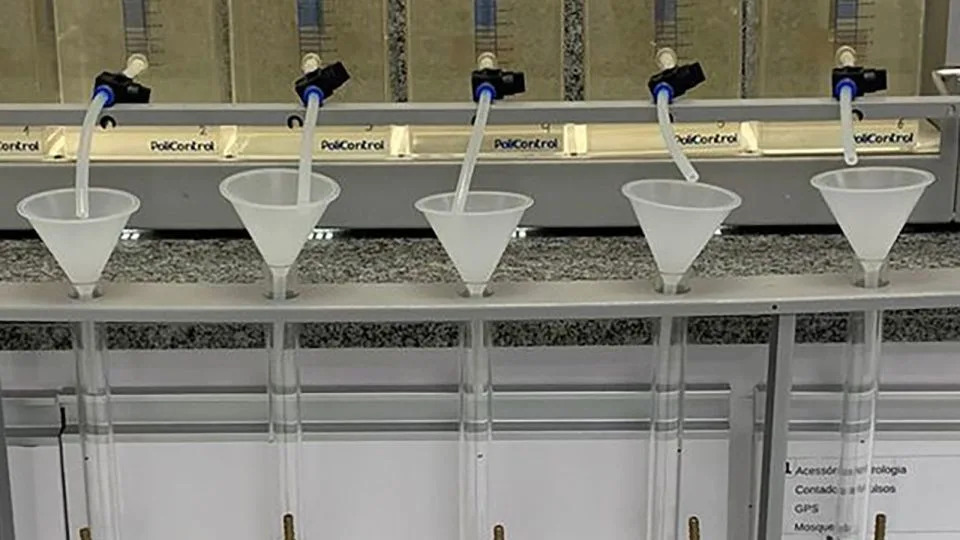
A simulation of the filtering process used in water treatment plants. - Dr. Adriano Gonçalves dos Reis
Limits: One moringa seed treats roughly 10 liters of water, meaning very large quantities of seeds would be needed for municipal-scale plants. Heavier seed use can introduce organic residues into treated water that would require additional removal steps. The long-term fate of the captured PVC particles, how the seed extracts degrade, and effectiveness against other plastics and nanoplastics remain under study.
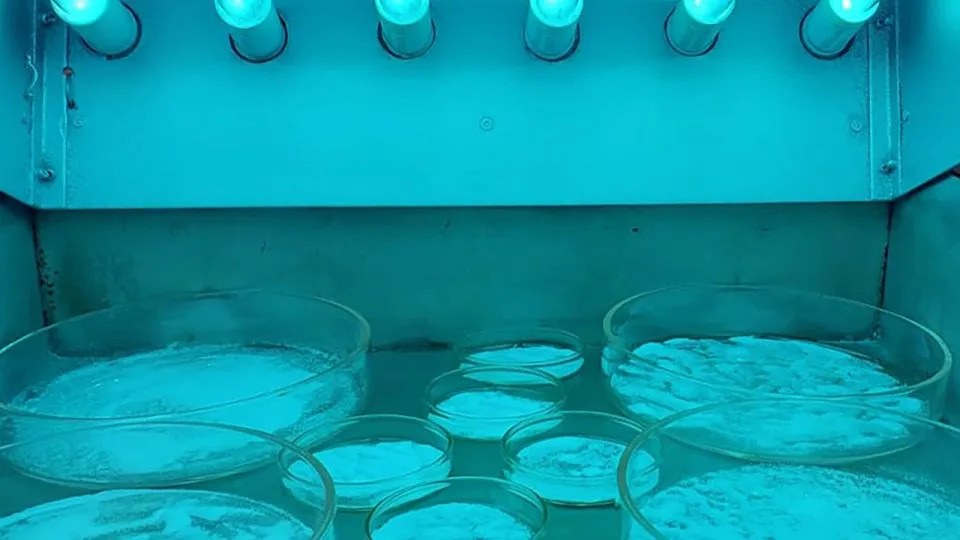
PVC particles undergoing UVC aging in the lab to break them down. - Dr. Adriano Gonçalves dos Reis
“While promising for small communities or low-resource settings, scaling this approach for large urban treatment plants presents logistical and treatment challenges,” said Gonçalves dos Reis.
Next Steps
Independent experts urge further research to test moringa treatments against other types of microplastics and nanoplastics, evaluate cost-effectiveness at scale, and determine the environmental fate of aggregated plastics. If confirmed, moringa-based coagulants could become a low-cost, lower-toxicity option for reducing microplastic loads in drinking water—particularly in areas without easy access to chemical coagulants.
Help us improve.