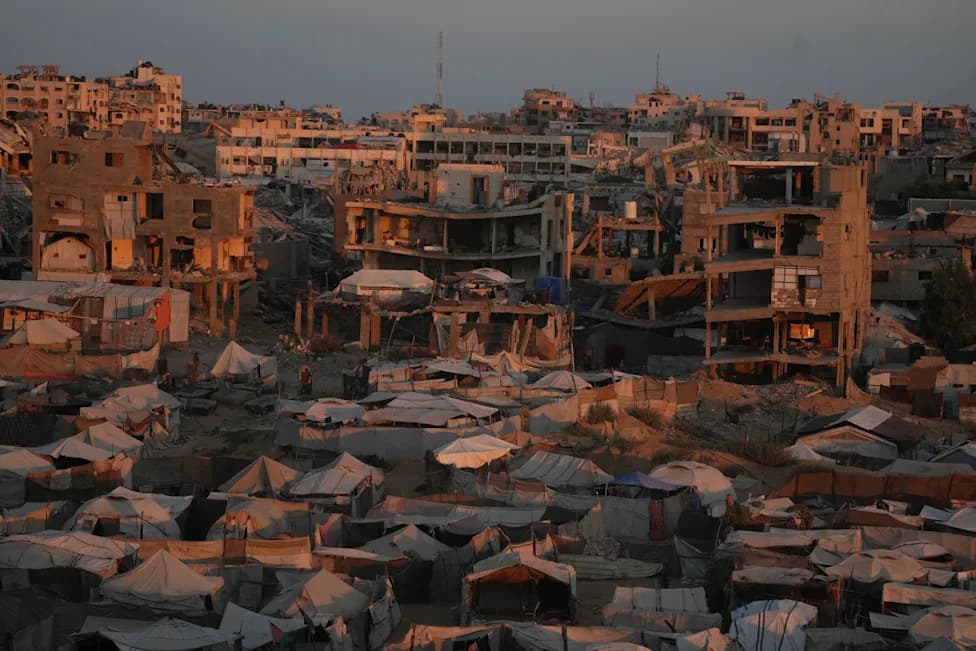
Although Israel has formally accepted ceasefires affecting Gaza, Lebanon and Iran, the past week shows that these pauses have not translated into reduced hostilities on the ground. Instead, Israeli forces and settlers have pressed further into Palestinian-administered areas of the occupied West Bank, intensified strikes inside Gaza, and advanced demolition and eviction actions in occupied East Jerusalem.
Escalation Despite Ceasefires
The pattern documented across multiple fronts — including a surge of strikes in Lebanon despite an announced extension of the ceasefire there — suggests ceasefires have often functioned less as true pauses and more as cover for accelerated changes on the ground. Against this backdrop, Palestinians in parts of the West Bank and, for the first time since 2006, in Deir el-Balah (Gaza) took part in municipal elections on Saturday amid widespread skepticism about their ability to deliver meaningful change.
Gaza: Heavy Strikes And Civilian Toll
Gaza experienced some of the heaviest attacks on civilian and police infrastructure since the October ceasefire. The Gaza Ministry of Health reported 40 Palestinians killed between April 20 and April 27, including:
- A drone strike in Khan Younis on April 21 that killed three police officers.
- An air strike on April 22 that hit the courtyard of a mosque in Beit Lahiya, killing five people, including three children.
- An attack on April 24 that struck a police vehicle in Khan Younis, killing eight people; a separate strike in Gaza City on the same day killed two police officers.
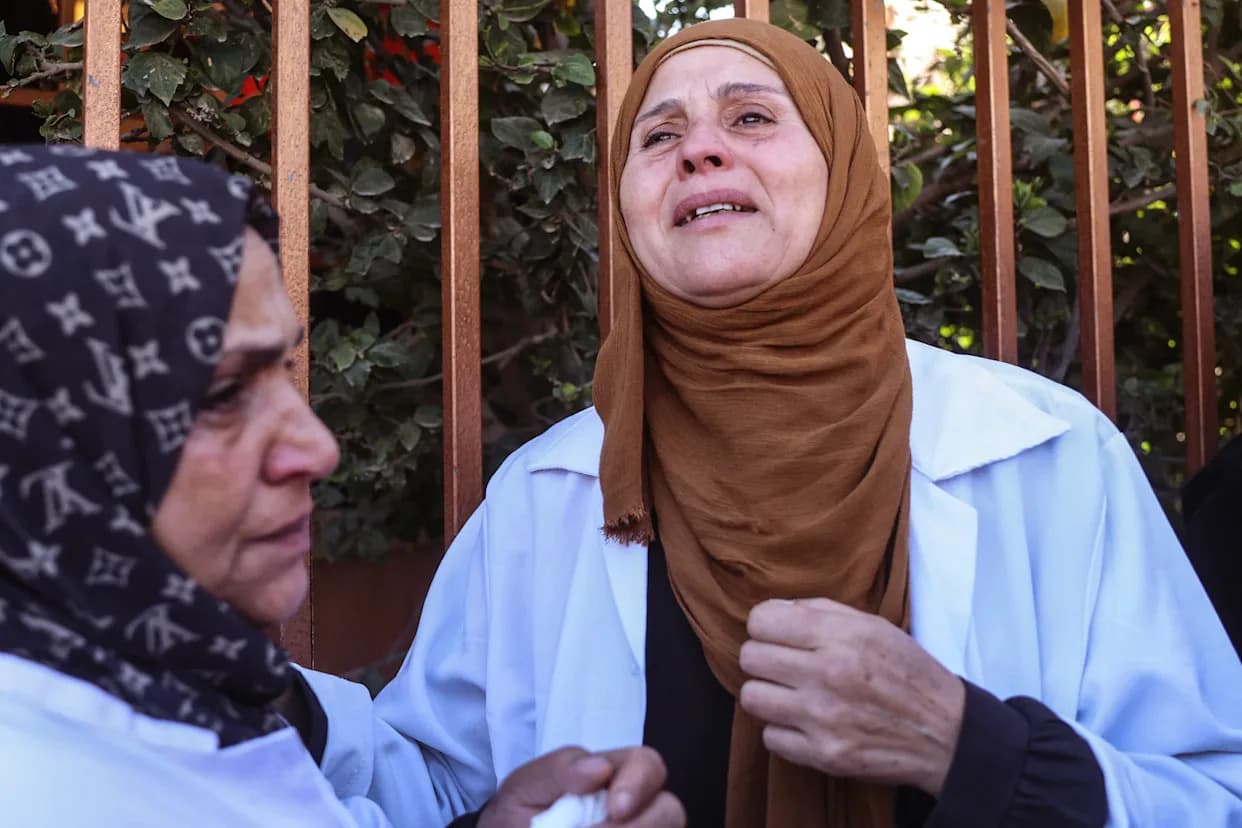
- Artillery shelling near Kamal Adwan Hospital on Saturday that killed Islam Karsou (pregnant with twins) and her two young children.
According to the Gaza Ministry of Health, as of April 27, 817 Palestinians in Gaza have been killed since the October 11 ceasefire, and the cumulative toll since October 7, 2023, stands at 72,593. The Popular Committees in Gaza condemned what they called the repeated targeting of Palestinian police, warning such attacks undermine governance structures needed for reconstruction.
Municipal Voting And Humanitarian Access
Small-scale municipal elections were held in Gaza (notably Deir el-Balah) for the first time since 2006. Turnout in Deir el-Balah was recorded at 23 percent; election officials attributed low participation to an outdated civil registry that fails to reflect widespread displacement and deaths, and to a population focused on survival rather than local administration.
Since the Zikim crossing reopened two weeks ago, the United Nations has recorded a measurable increase in aid entering Gaza, but delivered quantities remain far short of the scale required to meet urgent needs across the devastated territory.
West Bank: Violence, Settler Attacks And Movement Restrictions
Violence continued in the West Bank. Incidents this week included:
- April 21 in al-Mughayyir: a shooter in military fatigues opened fire toward a school, killing two people, including a teenager, according to the Palestine Red Crescent Society; Israeli forces later closed village entrances and reportedly attacked mourners at the funeral.
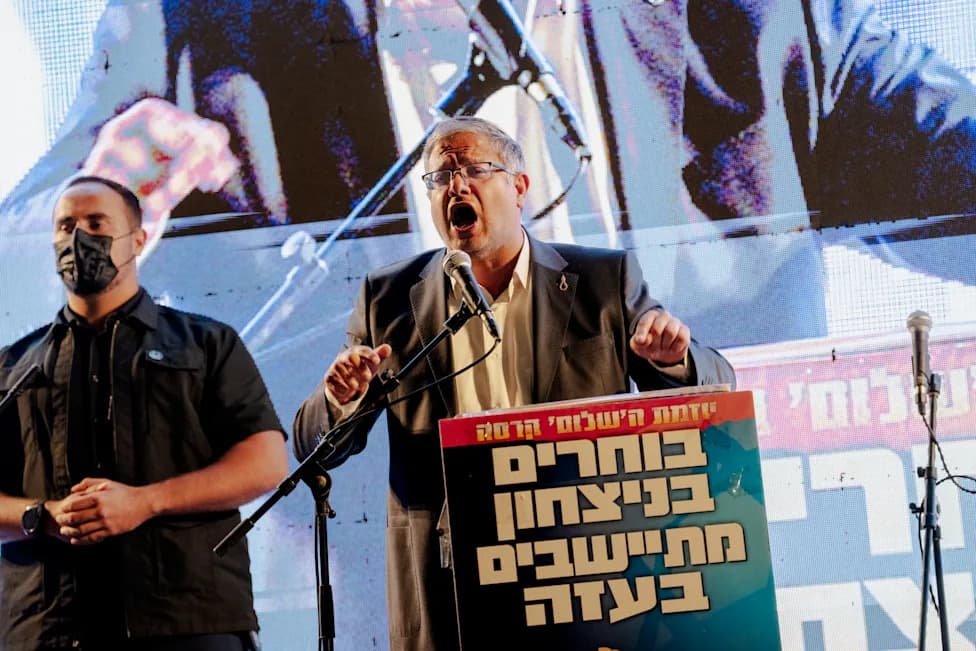
- April 21 near Hebron: a vehicle from the security detail of National Security Minister Itamar Ben-Gvir struck and killed a 16-year-old boy.
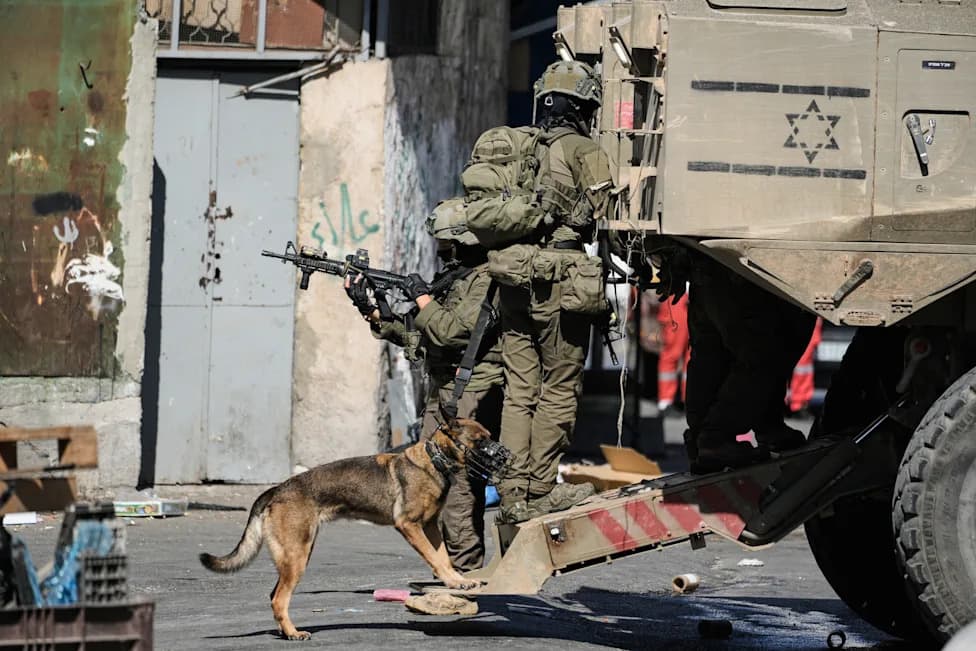
- April 23 in Nablus: 15-year-old Youssef Ishtayeh was shot dead by Israeli forces while returning from school.
- April 24: 25-year-old Oudeh Awawdeh died of wounds from a settler attack in Deir Dibwan; subsequent videos showed Israeli forces arresting roughly 30 residents.
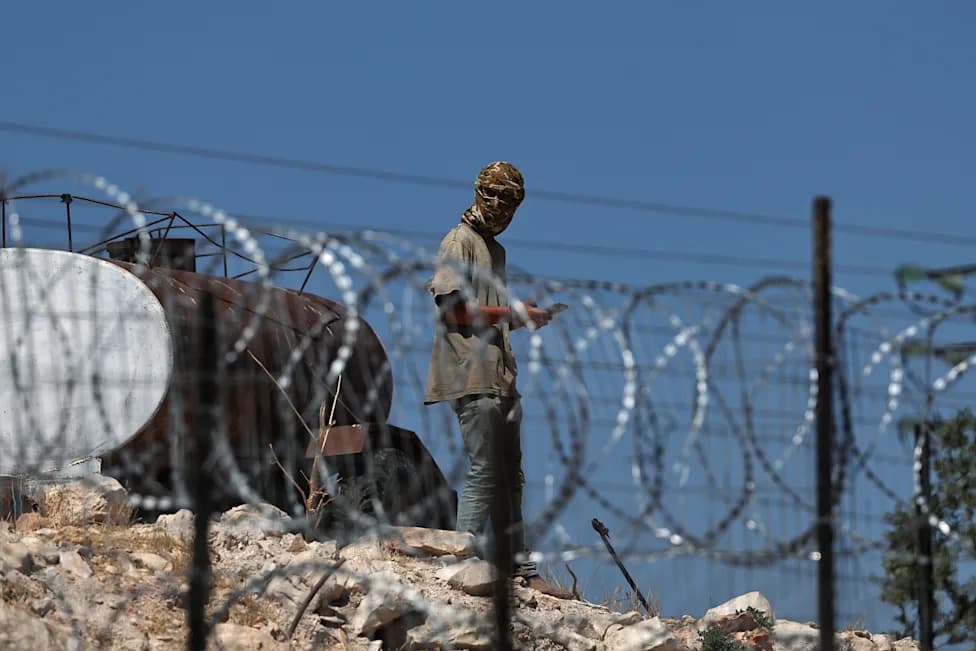
Settler rhetoric and mobilization increased ahead of Israel’s Independence Day, with online calls urging armed entry into Areas A and B. Local activists reported attacks over several days in Masafer Yatta, Qusra, Rafat, Birzeit and Jalud. Israeli forces sealed entrances and imposed curfews in Madama and al-Ram. In Beit Imrin, settlers set two vehicles on fire and attempted to burn a home, injuring eight people, including an infant.
Property Demolitions And Displacement
Settlers and Israeli authorities pushed into lands previously afforded some legal protections. On April 20, bulldozers and settlers arrived at Hammamat al-Maleh in the northern Jordan Valley and demolished the community’s donor-funded school and remaining residential structures, fully displacing the last three households, the UN Office for the Coordination of Humanitarian Affairs (OCHA) reported. Ireland said it would seek compensation from Israel over the school’s destruction.
OCHA’s latest report documented 925 movement obstacles across the West Bank — the highest number in 20 years and 43% above the two-decade average — and noted nine Palestinian communities were fully displaced in 2026 alone.
East Jerusalem: Accelerating Demolitions
In occupied East Jerusalem, demolitions have sharply accelerated in Silwan’s al-Bustan neighborhood. Israeli NGO Ir Amim reported 17 homes demolished so far in 2026 versus 13 for all of 2025 and warned that municipal plans may target up to 115 homes by October to make way for a park adjacent to the City of David site. Ir Amim said more than 2,000 Palestinians could be displaced in one of the largest waves of expulsions in East Jerusalem since 1967.
The Rajabi family in Batn al-Hawa received final eviction notices for seven apartments, to be vacated by May 17. In Sheikh Jarrah, authorities approved construction of an 11-storey ultra-Orthodox yeshiva opposite the local mosque.
Political Developments
On the Israeli political front, former prime ministers Naftali Bennett and Yair Lapid announced plans to unite their parties under Bennett’s leadership ahead of expected October elections. The move suggests the main bloc likely to challenge Prime Minister Benjamin Netanyahu will be led by a former settler-movement figure who has ruled out Arab parties from potential coalitions, narrowing the political distance on settlement and occupation policy.
Outlook
Across the region, the week’s developments underline a stark pattern: formal ceasefires have not halted the expansion of control on the ground and may be enabling accelerated changes that deepen Palestinian dispossession and complicate prospects for post-conflict governance and reconstruction.
Popular Committees (Gaza): “The repeated targeting of the Palestinian police is a direct attack on citizens’ security and safety, undermining the governance structures required for reconstruction.”