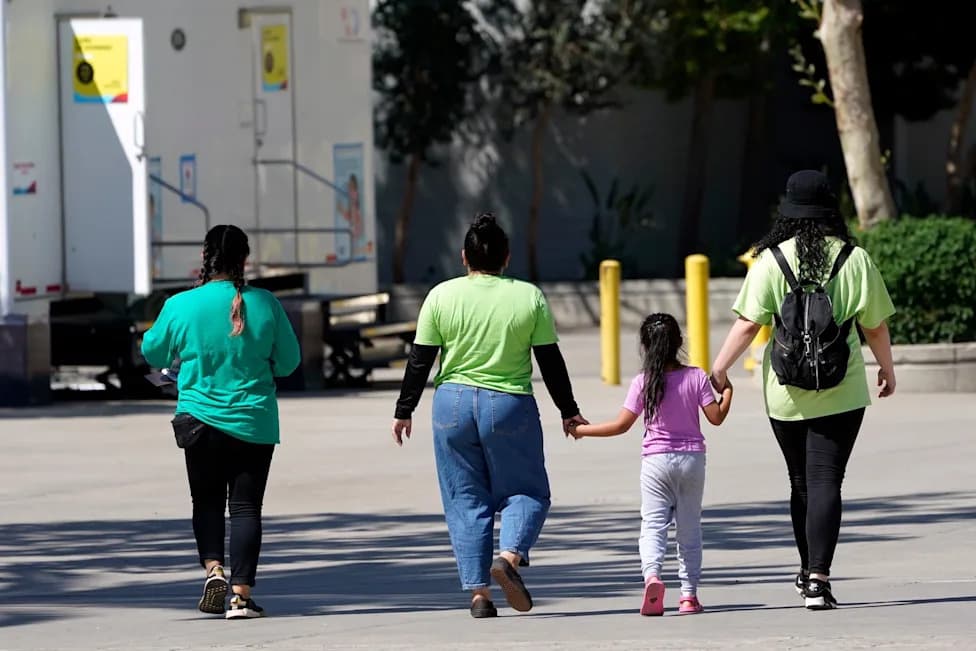
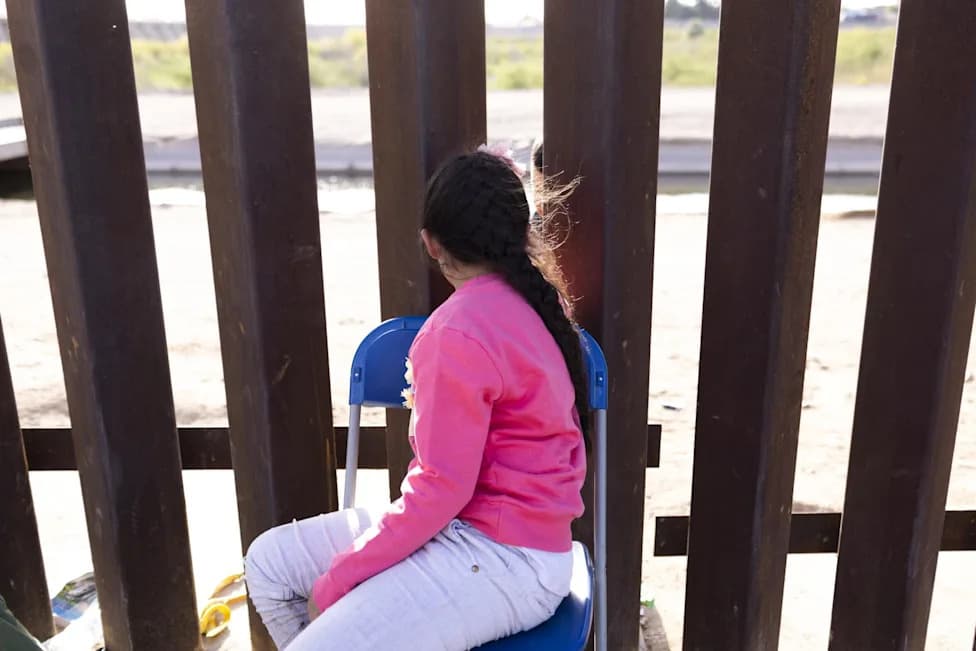
The handling of unaccompanied migrant children during Xavier Becerra's tenure at HHS has re-emerged as an issue in his California gubernatorial campaign. A February 2023 New York Times investigation and a February 2024 HHS OIG report found that emergency measures and capacity pressures led to relaxed safeguards, more than 85,000 children becoming untrackable over two years, and missing safety-check documentation in 16% of sampled files. Becerra disputes the "lost" characterization and says many children were placed with vetted sponsors; congressional subpoenas and further oversight have fueled political debate.
Becerra’s Gubernatorial Bid Faces Heat As Missing Migrant Children Controversy Resurfaces
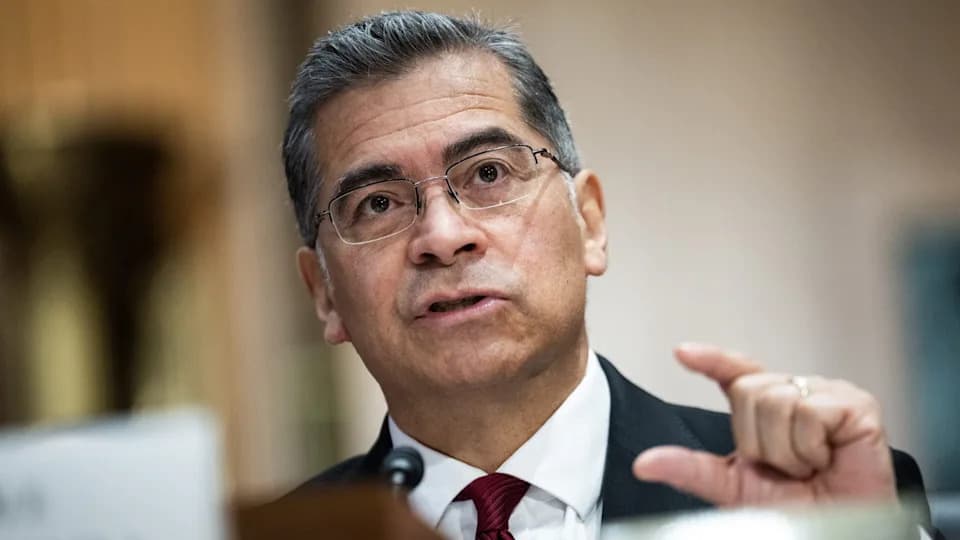
HHS Secretary Xavier Becerra testified during the Senate Finance Committee hearing on the President's fiscal year 2025 Health and Human Services budget in the Dirksen building on March 14, 2024.(Getty Images)
As Xavier Becerra seeks traction in the California Democratic primary for governor, scrutiny has returned to his record as Secretary of the Department of Health and Human Services (HHS) over the handling of unaccompanied migrant children during a surge of arrivals.
Background
A February 2023 investigation by The New York Times documented that a large influx of unaccompanied minors overwhelmed shelter capacity. Many children were temporarily housed in facilities run by federal immigration authorities that resembled detention settings, and makeshift tent encampments appeared in several metropolitan areas.
Investigations And Key Findings
The Times reported that pressure to move children quickly out of congregate shelters led HHS to accelerate releases and relax some long-standing procedural safeguards meant to screen sponsors and review case files. According to data obtained by the newspaper, more than 85,000 children could not be located by federal officials over a two-year span after placement with sponsors.
Independent oversight echoed some of the Times' concerns. In February 2024, the HHS Office of Inspector General (OIG) reported gaps in sponsor screening and follow-up: missing documentation for required safety checks in 16% of sampled case files and numerous instances of untimely or undocumented follow-up calls. The OIG also noted that guidance issued in 2022 to expedite releases removed certain safeguards and may have increased the risk of unsafe placements.
Becerra's Response And Political Fallout
Becerra and his campaign disputed the characterization that children were "lost," saying many had been placed with vetted sponsors who sometimes did not answer follow-up calls. Supporters also argue the former HHS secretary inherited a strained system and worked to address its problems.
"If Henry Ford had seen this in his plants, he would have never become famous and rich. This is not the way you do an assembly line," Becerra reportedly told HHS staff as officials sought to speed placements, according to the Times.
The issue prompted congressional scrutiny: House Republicans subpoenaed Becerra and HHS for records on sponsor vetting, screening and monitoring. Committees received hundreds of pages of documents but complained the production did not fully resolve their concerns, and Becerra was called to testify multiple times. Subsequent inspector-general reports — rather than congressional subpoenas alone — provided more detailed public accounting of tracking and follow-up practices for unaccompanied minors.
What This Means For Voters
The controversy has become a line of attack in Becerra's campaign, with critics arguing the HHS record raises questions about his management abilities and priorities. His defenders say the problems reflect broader system failures and operational pressures during an unprecedented migration surge. For voters, the debate centers on accountability, child safety, and how officials balance speed and safeguards in emergency responses.
Help us improve.