Iranian Foreign Minister Abbas Araghchi returned to Islamabad after stops in Oman and before traveling to Moscow amid Pakistan-led mediation to bridge gaps with the United States. President Trump canceled a planned trip by U.S. envoys to Pakistan, saying talks can be handled by phone, and reiterated nuclear constraints as a precondition. Markets reacted: oil climbed (WTI ~$96.50, Brent ~$107.75) as maritime interdictions, sanctions and a near-closure of the Strait of Hormuz disrupted supplies. Ceasefires across the region remain fragile, and diplomacy continues through intermediaries while sanctions and naval operations press on.
Iran's Foreign Minister Returns To Islamabad After Trump Calls Off U.S. Envoys' Visit; Oil Rises Amid Stalled Talks
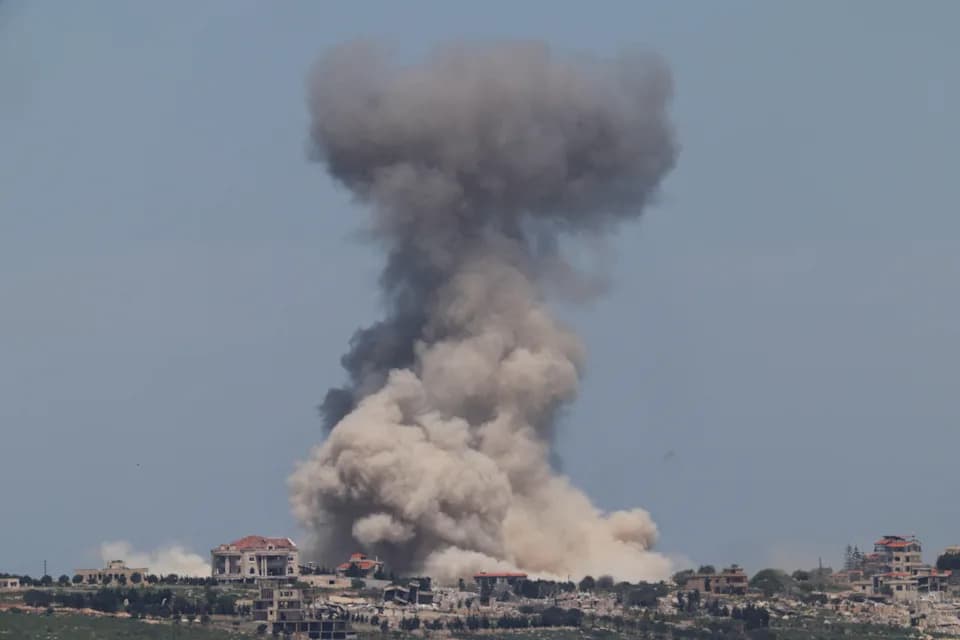
Smoke rises in Lebanon after an explosion, as seen from the Israeli side of the Israel-Lebanon border, April 25, 2026. / Credit: Florion Goga / REUTERS
Islamabad / Muscat / Moscow — Iranian Foreign Minister Abbas Araghchi returned to Islamabad after a brief stop in Oman as part of a regional diplomatic tour that will next take him to Russia, Iranian state media reported. The visit — which included consultations with Pakistan's civilian and military leadership — unfolded after U.S. President Donald Trump canceled a planned trip by his envoys to Pakistan and said any talks with Iran could be handled by phone.
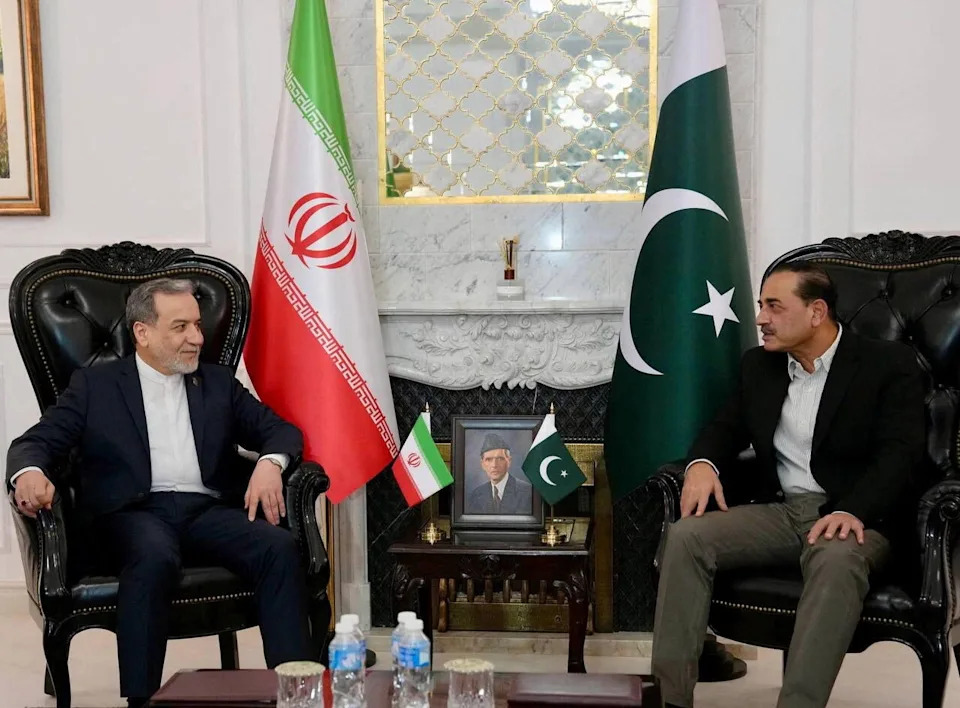
Iranian Foreign Minister Abbas Araqchi meets Pakistan's Army Chief, Field Marshal Asim Munir, in Islamabad, Pakistan, released April 25, 2026. / Credit: Seyed Abbas Araghchi via Telegram/Handout via REUTERS
Why The Pakistan Stop Mattered
Pakistan has been acting as an intermediary between Washington and Tehran in efforts to negotiate a ceasefire and a broader settlement. During his Islamabad stop, Araghchi met senior officials including Prime Minister Shehbaz Sharif and army chief Field Marshal Asim Munir. Iranian state media quoted Araghchi blaming the United States for the collapse of a previous round of Pakistan-mediated talks, saying "excessive demands" prevented earlier progress from reaching agreement.
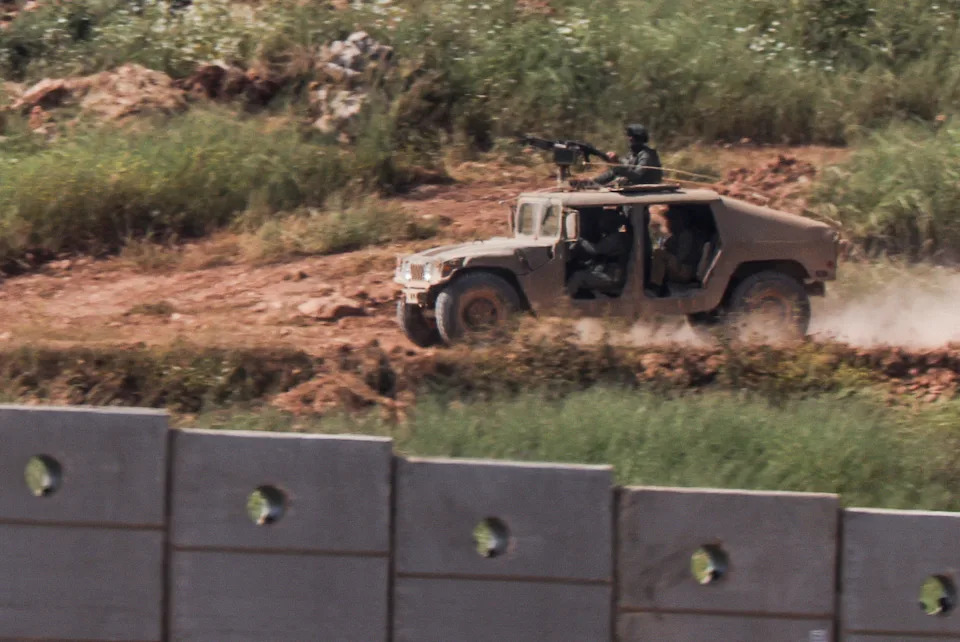
An Israeli armored vehicle drives inside Lebanon, as seen from the Israeli side of the border with Lebanon, April 24, 2026. / Credit: Florion Goga/REUTERS
U.S. Response And Trump Comments
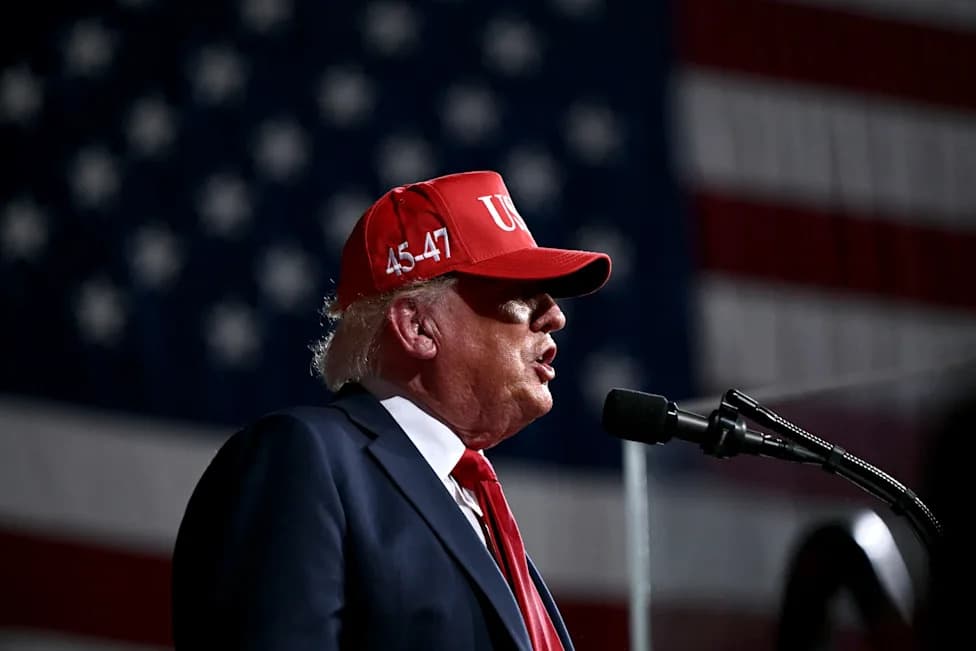
President Trump said he called off the planned trip by special envoy Steve Witkoff and Jared Kushner because he did not want to send representatives on an 18-hour flight for talks he said could be handled by secure phone lines. On Fox News he said, "If they want to talk, they can come to us, or they can call us. You know, there is a telephone." Trump reiterated that any acceptable deal must bar Iran from obtaining a nuclear weapon.
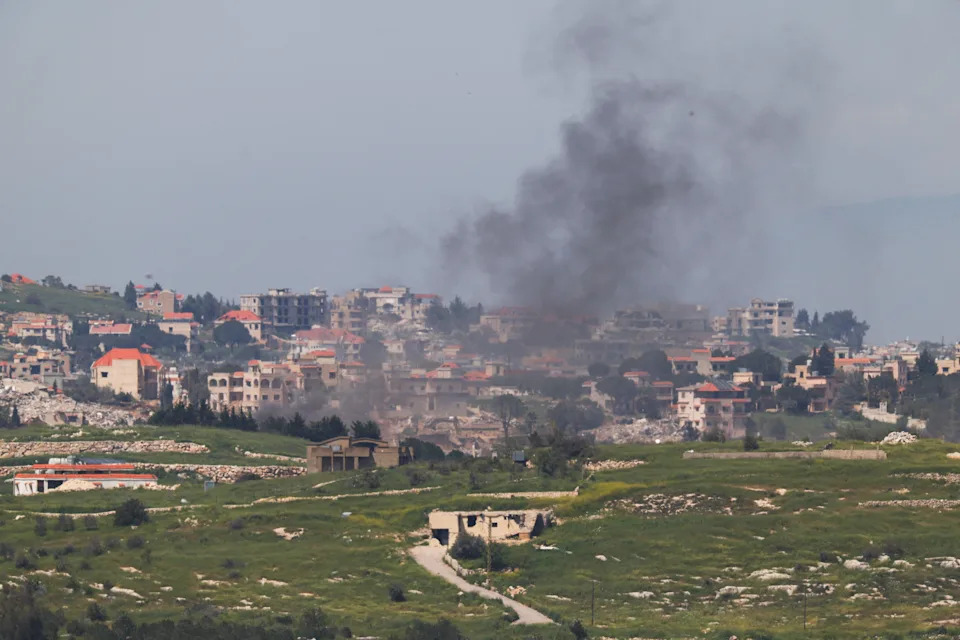
Smoke rises in Lebanon, as seen from the Israeli side of the border with Lebanon, April 24, 2026. / Credit: Florion Goga/REUTERS
Trump: "We're not sending people to travel 18 hours to meet."
Regional Diplomacy And Phone Calls
Between visits to Muscat and Islamabad, Araghchi held phone conversations with several counterparts. Iranian outlets said he spoke with French Foreign Minister Jean-Noel Barrot about the ceasefire and the potential role of European countries. Qatar's prime minister and foreign minister, Sheikh Mohammed bin Abdulrahman bin Jassim Al-Thani, urged continued mediation and called for the Strait of Hormuz to be reopened so sea lanes would not be used as a "bargaining chip or pressure tactic." Pakistan's prime minister also held a "warm and constructive" call with Iran's president, who said Iran would not negotiate while a U.S. blockade remained in place.
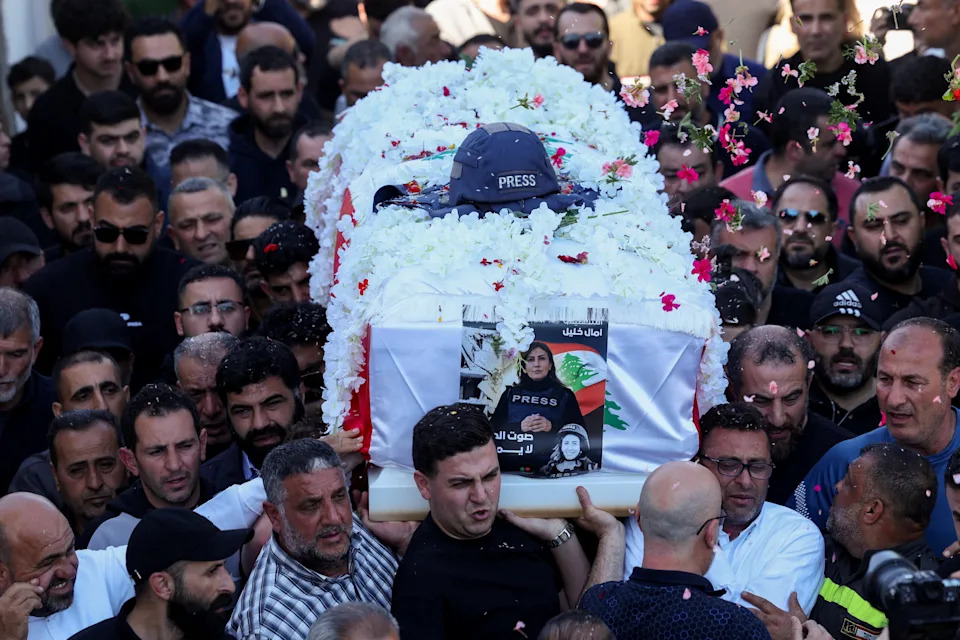
Flowers are thrown over the coffin of journalist Amal Khalil, who was killed in an Israeli strike on April 22, 2026, as mourners carry it during her funeral in Baisariyeh, Lebanon, April 23, 2026. / Credit: Aziz Taher/REUTERS
Markets And Energy Impact
Markets reacted to stalled talks and continued maritime disruption: West Texas Intermediate traded near $96.50 a barrel and Brent near $107.75, both substantially higher than pre-conflict levels. Chevron chairman and CEO Mike Wirth warned that the global energy system "has lost an incredible amount of flexibility" and said restoring flow through the Strait of Hormuz is essential to rebuild inventories and ease price pressure. Analysts note that even if the strait reopens, restoring normal logistics and inventories will take time.
Maritime And Sanctions Developments
U.S. naval forces have been active in intercepting vessels linked to Iran. CENTCOM reported an interception of the M/V Sevan in the Arabian Sea; the U.S. said the vessel complied with direction to return to Iran under escort. The U.S. Treasury sanctioned 19 tankers and multiple firms it described as a "shadow fleet" transporting Iranian oil. Tehran has accused U.S. forces of unlawfully seizing other vessels — including the M/V Touska — which U.S. officials say was subject to sanctions and where crew members failed to comply with warnings.
Violence And Ceasefire Strains
Despite paused or mediated talks, fighting continues in parts of the region. Lebanon's health ministry reported more than 2,500 fatalities in the Israel–Hezbollah fighting and thousands of wounded since early March. Both Israel and Hezbollah have accused each other of violating a fragile ceasefire that was extended earlier in April, with renewed strikes and retaliatory claims reported in southern Lebanon.
Broader Diplomatic Moves
Araghchi departed Pakistan for Moscow, where he is scheduled to meet Russian leaders. Iran's ambassador in Moscow said Tehran plans to exempt some friendly countries — including Russia — from any tolls in the Strait of Hormuz. Meanwhile, U.S. officials continue to press sanctions and financial measures: the Treasury said it froze $344 million in cryptocurrency tied to alleged Iranian activity and announced sanctions targeting tankers and firms facilitating shipments.
Outlook: With direct U.S. envoys' travel canceled and mediation continuing through regional partners, diplomacy remains fragile. Key obstacles include sequencing on sanctions relief and the U.S. insistence on verifiable limits to Iran’s nuclear activities, while the closure of the Strait of Hormuz and maritime interdictions are keeping energy markets and regional security on edge.
Help us improve.