Front Street by Brian Barth reports from three major tent cities in Silicon Valley to show that homelessness has no single, clean solution. Barth documents both the dangers of encampments—arson, drug use, and public disorder—and the surprising mutual-aid, autonomy, and community they provide. He argues that repeated sweeps are costly and disruptive, and suggests pragmatic mitigations (trash service, water, power, and low-friction aid) as less damaging alternatives to bulldozing camps.
Hobohemian Rhapsody: How Silicon Valley’s Tent Cities Resist, Rebuild, and Expose a Broken Housing System
Hobohemian Rhapsody
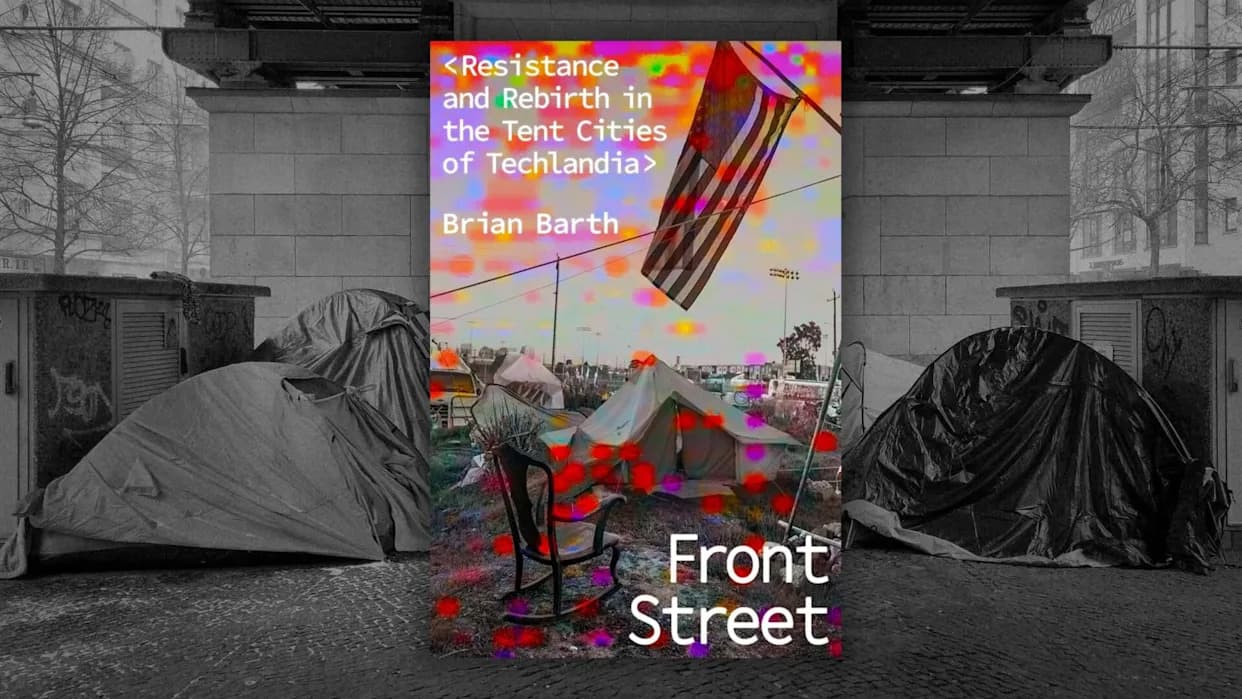
Front Street: Resistance and Rebirth in the Tent Cities of Techlandia, by Brian Barth (Astra House, 287 pages, $29)
Brian Barth's Front Street is immersive, clear-eyed reporting from three sprawling tent cities in the Bay Area. Barth embeds himself in these makeshift communities to document how people who are often written off by policymakers and neighbors create fragile, pragmatic ways of living — and how those solutions collide with the priorities of cities and private property owners.
Encampments, Community, and Contradiction
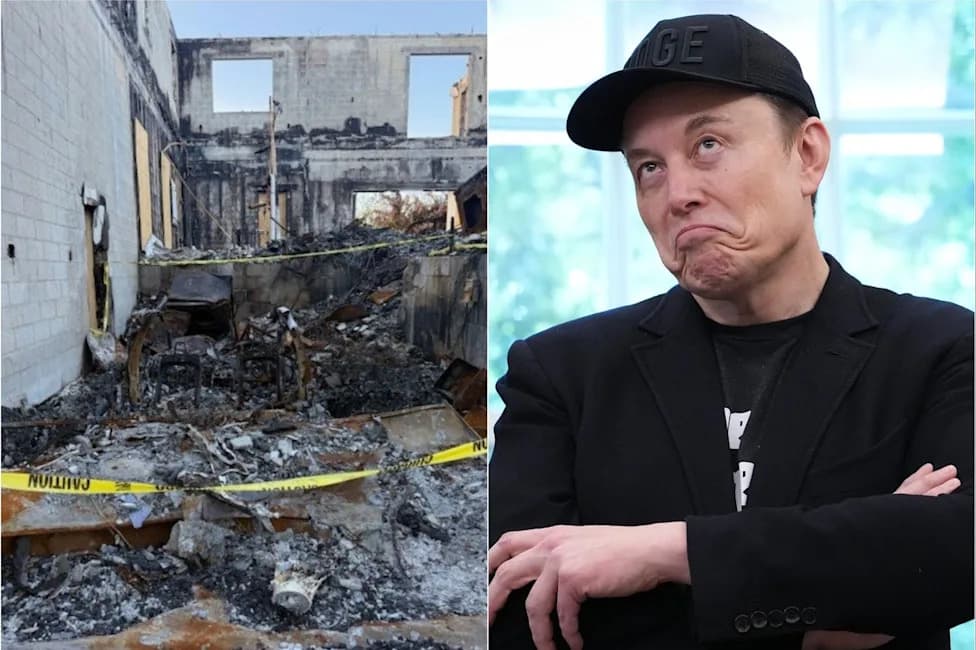
Barth spends extended time in Wood Street Commons (Oakland), the Crash Zone (near San Jose's airport), and Wolfe Camp (adjacent to Apple headquarters in Cupertino). He brings readers close to a roster of vivid characters: people who want conventional housing, people who prefer the autonomy of camp life, and those who move back and forth between both worlds. Although Barth sympathizes with many residents and champions their dignity, he does not romanticize camp life. He records thefts, arson, drug use, hypodermic needles, rats, and the daily chaos that unnerves neighbors.
Why Some Prefer Camp Life
Many inhabitants value autonomy: the ability to cook, keep furniture, host friends and form social ties that formal shelter programs often prevent. Barth quotes Wolfe Camp resident Dave, who argues that tiny institutional solutions can strip people of agency. A single woman tells Barth she feels safer in a community that watches over her than behind a barbed-wire fence with guards. At its best, camp life includes mutual aid, improvised social services, and a family-like solidarity among people alienated from their biological families.
“Affordable housing sucks because not only are you squished in this little box, you have to do all these things on time and in a certain order. I don't see that as attractive. For some of us, coming out of homelessness is worse than being in it.” — Dave, Wolfe Camp
Displacement and Public Cost
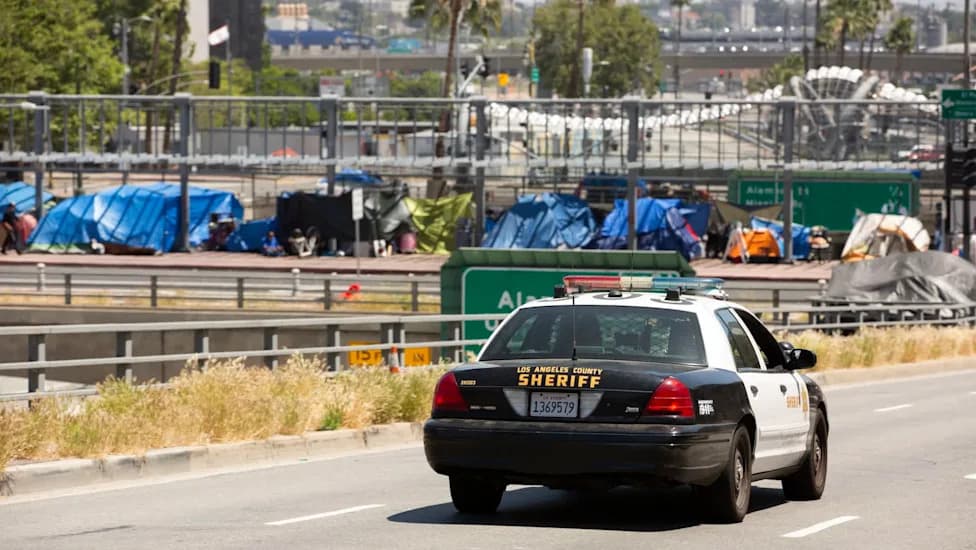
All three camps profiled in Front Street are ultimately bulldozed. Barth argues that such sweeps are largely symbolic short-term fixes: they push people out of sight rather than solving root problems. He details the public expense of repeated clearances — Caltrans reported spending $36 million to sweep 1,262 camps in 2020, and Barth cites another example where a single Los Angeles sweep cost roughly $2 million for a 200-person site.
Work, Income, and Survival Strategies
Not everyone in these communities is jobless or idle. Barth documents unconventional earnings and survival tactics: Kent, a Wolfe Camp regular, reportedly earns about $3,000 a month dumpster-diving near tech office parks. Others maintain part-time work, gigs, or occasional income while prioritizing the social benefits of camp life over institutional housing that feels constraining.
Law, Policy, and the Future of Encampments
Barth places tent cities within a broader legal and policy frame. For years, the 9th Circuit’s Martin v. City of Boise decision limited the ability of cities to criminalize sleeping in public when no shelter alternatives exist. That framework was curtailed by the U.S. Supreme Court in Grants Pass v. Johnson (June 2024), a 6–3 decision by Justice Neil Gorsuch that rejected Martin's Eighth Amendment rationale and left cities more discretion to prohibit public camping.
Barth's policy prescription is modest and pragmatic: rather than repeatedly bulldozing camps, cities could mitigate harms by providing basic services — trash pickup, water, and power — and by recognizing that many residents value autonomy and community. He also documents how small direct cash assistance and low-friction aid often produce better immediate outcomes than complex, costly programs that fail to match recipients' preferences.
Balance, Trade-Offs, and Civic Choices
Front Street forces readers to oscillate between sympathy and repulsion: between respect for the agency and solidarity found in encampments and alarm at the public-safety and quality-of-life problems they can create. Barth does not claim encampments are a panacea; he frames them as a messy, expensive, and human response to a housing and policy system that produces displacement. Ultimately, he asks whether erasing messy communities actually solves homelessness or simply imposes recurring costs and indignities on the people who have the least power.
Front Street is humane, often uncomfortable reporting that elevates voices typically dismissed in policy debates and encourages readers and officials to weigh the real costs of eviction against the modest investments that might reduce harm without stripping residents of their agency.
Help us improve.