NASA announced April 21 that laboratory analyses of a 2020 Curiosity rover sample revealed the most diverse set of organic molecules yet found on Mars. Scientists identified 21 carbon-containing molecules, seven of which are newly observed on the planet, including a nitrogen heterocycle considered a possible precursor to RNA and DNA. The sample, nicknamed "Mary Anning 3," was collected at Mount Sharp where clay-rich layers likely helped preserve the organics. While the origin of the compounds—biological or geological—remains undetermined, the discovery strengthens the case that ancient Mars had chemistry compatible with life.
NASA Announces Most Diverse Collection Of Organic Molecules On Mars — Evidence Ancient Planet Had Chemistry To Support Life
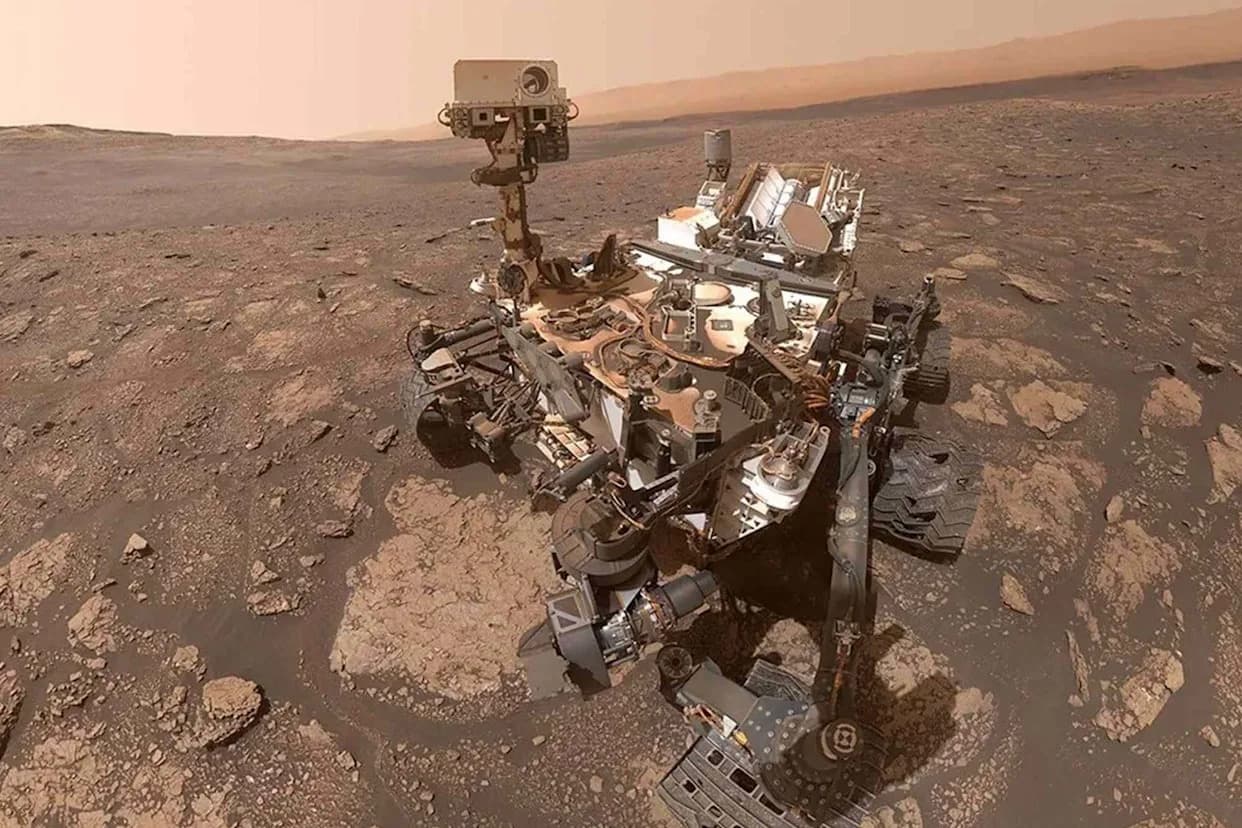
NASANASA's Curiosity Mars rover after drilling a rock sample from a spot nicknamed “Mary Anning 3"Credit: nasa.gov
NASA has confirmed the detection of a remarkably varied set of organic molecules on Mars, strengthening evidence that the ancient planet once had the chemical ingredients necessary to support life.
On April 21, the agency published laboratory results from a rock sample collected in 2020 by the Curiosity rover. Analyses show the sample contains what NASA called the "most diverse collection of organic molecules ever found on the Red Planet." In total, scientists identified 21 carbon-containing molecules, seven of which were detected on Mars for the first time.
Key Molecular Findings
Among the newly identified compounds is a nitrogen heterocycle — a ring-shaped molecule that researchers describe as a possible chemical predecessor to RNA and DNA, the nucleic acids central to genetic information. NASA cautions that there is not yet enough evidence to determine whether these organics formed through biological processes or by purely geological chemistry; both remain plausible explanations.
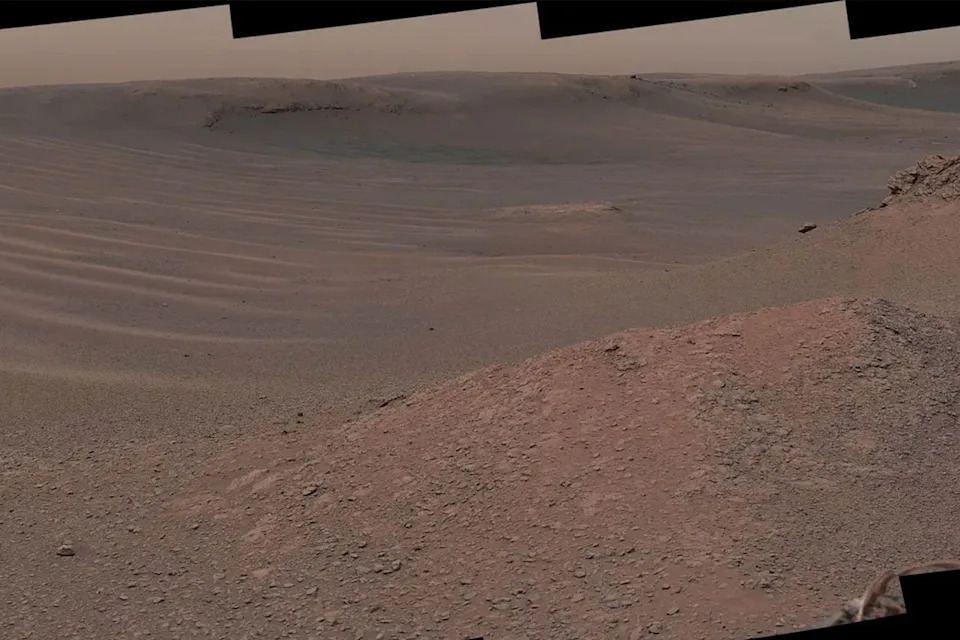
A photo of a region on Mars known as "Mount Sharp"Credit: nasa.gov
“That detection is pretty profound because these structures can be chemical precursors to more complex nitrogen-bearing molecules,” said Amy Williams, lead author of the new paper on the findings. “Nitrogen heterocycles have never been found before on the Martian surface or confirmed in Martian meteorites.”
Where The Sample Came From
The rock, nicknamed "Mary Anning 3" after a pioneering English paleontologist, was collected from Mount Sharp, a region of Gale Crater that was once home to persistent bodies of water. Repeated drying of those waterways produced clay minerals, and NASA says clay-rich layers can help preserve fragile organic compounds over geologic time.
“This is Curiosity and our team at their best. It took dozens of scientists and engineers to locate this site, drill the sample, and make these discoveries with our awesome robot,” said Ashwin Vasavada of NASA’s Jet Propulsion Laboratory. “This collection of organic molecules once again increases the prospect that Mars offered a home for life in the ancient past.”
Why It Matters
These findings do not prove that life ever existed on Mars, but they do show that ancient Martian environments contained complex organic chemistry compatible with life as we know it. The discovery will guide future missions and laboratory studies aimed at distinguishing biological signatures from abiotic chemical processes.
What’s next: Researchers will continue laboratory experiments and comparative studies with meteorites and terrestrial analogs to better understand how these molecules formed and were preserved.
Help us improve.