Reza Pahlavi, son of Iran's ousted shah, told reporters in Berlin that talks with Tehran amount to "appeasement" and urged European governments to take tougher measures to support Iranian protesters. During the visit an activist splashed red liquid on him before being detained. Pahlavi called for steps such as expelling Iranian diplomats and restoring internet access, rejected negotiations as a solution, and said he is prepared to lead a transition if the Islamic Republic falls.
Reza Pahlavi Calls Negotiations With Tehran 'Appeasement,' Urges Europe To Back Iranian Protesters
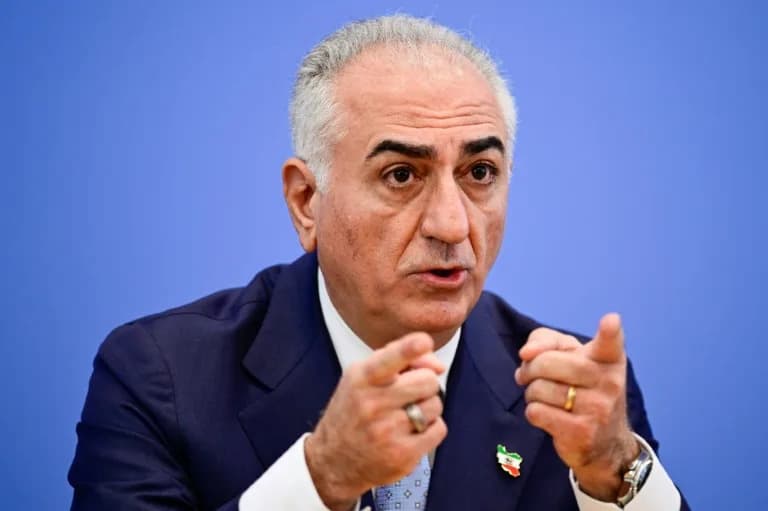
The son of Iran's last shah, exiled Crown Prince Reza Pahlavi, holds a press conference in Berlin (John MACDOUGALL)(John MACDOUGALL/AFP/AFP)
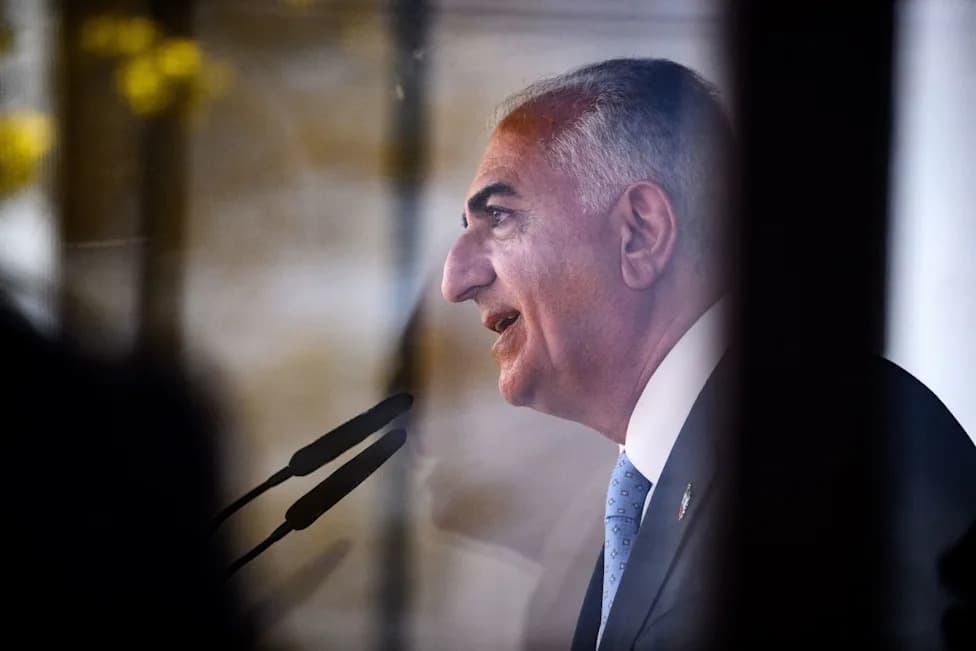
Reza Pahlavi, the 65-year-old son of Iran's deposed shah, told reporters in Berlin that negotiating with Tehran's clerical leadership amounts to "appeasement" and called on European governments to take stronger steps to support Iranian protesters.
During his visit — which followed stops in Sweden and Italy — Pahlavi was met by a mix of supporters and opponents. At one event an activist splashed red liquid on him before police detained the individual.
Addressing journalists, Pahlavi urged European governments that have stayed out of the U.S.-Israeli confrontation with Iran to pursue other measures, including expelling Iranian ambassadors and helping Iranians regain access to disrupted internet services.
"The whole narrative of ceasefire and negotiation is still based on thinking that ... you're going to deal with people who all of a sudden have become pragmatists," Pahlavi said. "I don't see that happening."
He accused Iran's leadership of repeatedly repressing dissent, saying the ruling system has "slaughtered innocent citizens by the thousands" and warning that Tehran's missile capabilities pose a potential threat to Europe. He described successive figures in power as "different faces of the same machine." These statements reflect Pahlavi's views and accusations about the Iranian government.
Pahlavi — whose father Mohammad Reza Pahlavi was overthrown in the 1979 Islamic Revolution — has said he would be willing to lead a transitional government if the Islamic Republic were to fall amid the ongoing war that began in late February. However, he is one of several figures and groups in the Iranian diaspora and has not achieved unified backing.
He has not secured formal recognition from former U.S. President Donald Trump, who has never officially met him and has publicly expressed skepticism about his ability to lead Iran. A German government spokesman said Chancellor Friedrich Merz's administration was not scheduled to meet Pahlavi, though several lawmakers planned talks.
Pahlavi said he drew encouragement from recent protests and demonstrations abroad, noting that chants of the Pahlavi name were heard at January rallies and at large pro-monarchy events in February in Munich and several North American cities. "Inside Iran, tens of millions of Iranians chanted my name, and they still do," he told reporters, adding that "today's Gen Z in Iran are my biggest supporters."
Looking ahead, he voiced hopes for more mass mobilization, saying: "The strategy is ultimately for people to be able to reclaim the streets."
Help us improve.