Key developments: Iran has vowed not to reopen the Strait of Hormuz while the U.S. enforces a naval blockade, calling such actions a violation of the ceasefire. The IRGC says it seized two ships and maritime monitors reported multiple gunboat incidents; CENTCOM says U.S. forces have turned back 31 vessels. President Trump extended the ceasefire to allow Pakistan-mediated talks, though Iran has not confirmed renewed negotiations. Separately, U.S.-brokered Israel-Lebanon talks continue amid reports of further Israeli strikes and Lebanon seeking a one-month extension of the truce.
Iran Vows to Keep Strait of Hormuz Closed While US Maintains Naval Blockade
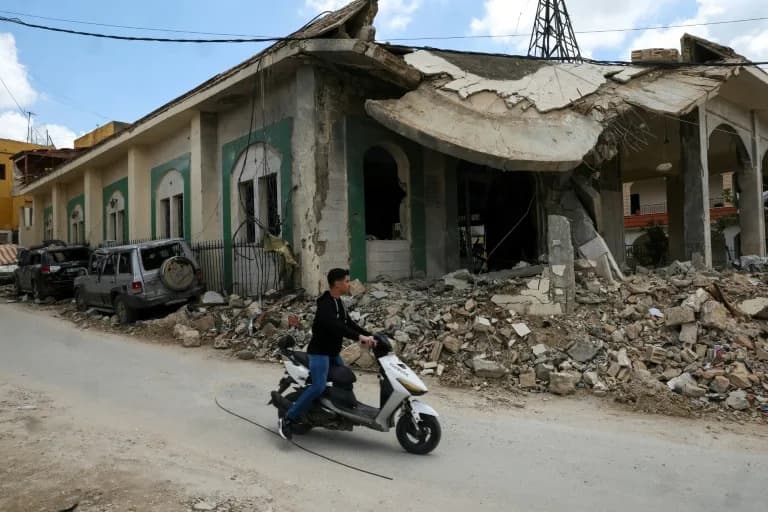
Sporadic violence has continued and Israel's military warned civilians against returning to dozens of villages in southern Lebanon (Anwar AMRO)(Anwar AMRO/AFP/AFP)
Tehran said it will not reopen the strategic Strait of Hormuz while the United States enforces a naval blockade on Iranian ports, intensifying a standoff that has overshadowed an otherwise fragile ceasefire in the wider Middle East conflict.
Although most strikes across the region have paused since the truce began, pressure around the vital shipping lane has continued, with both sides using maritime and economic measures to try to force concessions.
Naval Incidents and Seizures
Iran's Islamic Revolutionary Guard Corps (IRGC) reported forcing two vessels to shore after identifying them as violating navigation in the Strait of Hormuz. The IRGC named the ships as the Panama-flagged MSC Francesca and the Liberia-flagged Epaminondas. Panama's foreign ministry confirmed the seizure of the MSC Francesca and condemned the move as a "serious attack on maritime security".
UK-based maritime monitors said three commercial vessels reported incidents involving gunboats in the strait. One container ship reported being fired upon roughly 15 nautical miles northeast of Oman, suffering bridge damage but no casualties, according to UKMTO.
U.S. Blockade And Military Moves
CENTCOM stated on X that, since the start of the U.S. blockade of Iranian ports, U.S. forces have "directed 31 vessels to turn around or return to port." Under orders from the U.S. administration, the U.S. Navy has been attempting to block ships bound for or departing Iranian harbors to increase economic pressure on Tehran. The U.S. Defense Department also said forces intercepted and boarded a "stateless sanctioned" vessel; AFP linked that ship to Iranian activity. Both sides have accused the other of breaching the ceasefire.
In a related personnel move, the Pentagon announced the immediate departure of the Secretary of the Navy, John Phelan, without providing a reason.
Diplomacy, Ceasefire Extension And Regional Talks
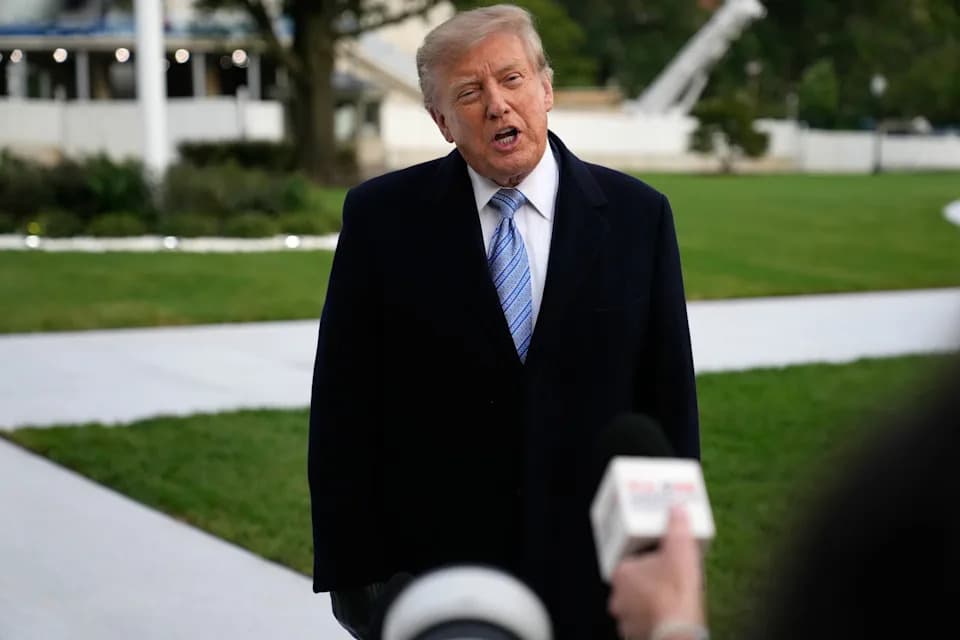
With the original ceasefire nearing expiration, U.S. President Donald Trump announced an indefinite extension to allow more time for Pakistan-brokered peace negotiations. Iran said it welcomed Pakistan's mediation but gave no direct response to the U.S. announcement. President Trump told the New York Post that talks could resume in Pakistan within days, though Iran had not confirmed participation and a planned trip by Vice President JD Vance was put on hold.
The U.S. also helped broker a separate truce between Israel and Lebanon, including Hezbollah. Despite the truce, Lebanese media reported additional Israeli strikes that killed several people. Lebanon is scheduled to ask for a one-month extension of the ceasefire in U.S.-hosted talks and will seek an end to bombing in areas where Israeli forces operate.
Economic And Human Impact
Markets reacted to the heightened maritime tensions: oil prices jumped about 4% before easing. Lebanese authorities say Israeli attacks on Lebanon have killed more than 2,450 people since the outbreak of the war. Iran's judiciary denied U.S. claims that eight women arrested in anti-government protests had been facing execution, calling the report "false news."
Bottom line: The maritime standoff around the Strait of Hormuz remains a flashpoint that could derail broader diplomatic efforts unless parties agree to meaningful safeguards for commercial shipping as part of any ceasefire implementation.
Help us improve.