The US Treasury on Tuesday imposed sanctions on 14 people and firms accused of helping Iran procure weapons components, freezing any US-held assets and barring US persons from dealing with them. The move, framed by the administration as part of an intensified pressure campaign, comes days before uncertain talks in Pakistan aimed at advancing a fragile ceasefire. President Trump said he would extend a two‑week truce while seeking a unified Iranian proposal, but Tehran has not confirmed attendance amid a US naval blockade and recent seizures of vessels.
US Announces Fresh Sanctions On Iran Ahead Of Uncertain Pakistan Talks
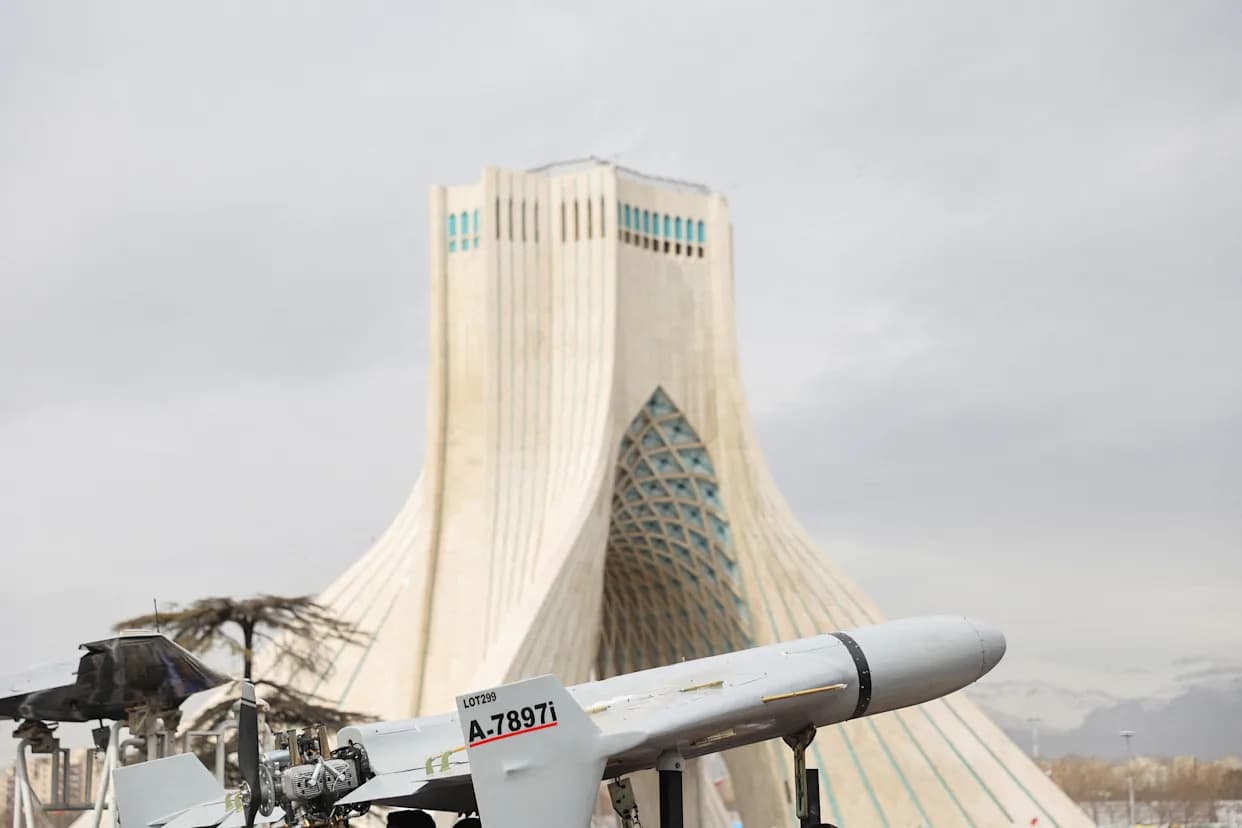
A Shahed drone on display during the 47th anniversary of the Islamic Revolution in Tehran on February 11 [File: Majid Asgaripour/WANA via Reuters]
The United States on Tuesday imposed a new round of economic sanctions on individuals and companies it says helped Iran acquire weapons components — a move that raises pressure just days before tentative talks in Pakistan intended to advance a fragile ceasefire.
The US Department of the Treasury named 14 people and entities based in Iran, Turkiye and the United Arab Emirates. Among those designated are Dubai-based Chabok FZCO, accused of procuring "sensors and other US-origin aircraft components" for Iranian carrier Mahan Air, and Kamal Sabah Balkhkanlu, identified as a money exchanger allegedly involved in procurement for Tehran.
What the Treasury Says
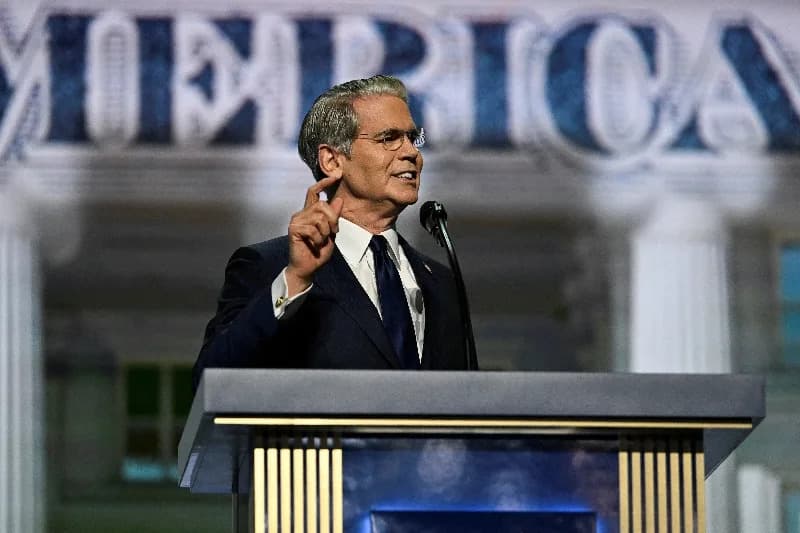
"The Iranian regime must be held accountable for its extortion of global energy markets and indiscriminate targeting of civilians with missiles and drones," Treasury Secretary Scott Bessent said in a statement.
"Under President Trump’s leadership, as part of Economic Fury, Treasury will continue to follow the money and target the Iranian regime’s recklessness and those who enable it," he added.
The sanctions freeze any assets the designated parties hold in US jurisdiction and generally bar US persons from doing business with them. The Treasury said the measures aim to disrupt networks that procure or transport weapons components for Iran as it seeks to rebuild ballistic missile production capacity.
Ceasefire, Talks And Naval Blockade
The announcement came amid uncertainty about a planned meeting between US and Iranian officials in Pakistan. Tehran has not confirmed attendance while the United States maintains a naval blockade of vessels bound for or departing Iranian ports.
Shortly after the sanctions were announced, President Trump posted on Truth Social that he would extend a two‑week ceasefire that had been due to expire on Wednesday. Trump said the pause in hostilities would continue "until such time as [Iran's] leaders and representatives can come up with a unified proposal," reversing an earlier statement that he would not extend the truce.
Iran closed the Strait of Hormuz earlier in the conflict and has intermittently sealed and reopened it as diplomatic developments have unfolded. The US military, in enforcing its blockade, has recently seized at least one Iranian vessel and ordered about 28 others to turn back, according to official reports.
Reactions And Implications
"Blockading Iranian ports is an act of war and thus a violation of the ceasefire," Iranian Foreign Minister Abbas Araghchi said on social media. "Striking a commercial vessel and taking its crew hostage is an even greater violation. Iran knows how to neutralize restrictions, how to defend its interests, and how to resist bullying."
The new sanctions underscore Washington's strategy of using financial pressure to extract concessions in negotiations, even as diplomatic prospects remain uncertain. With both sides preserving leverage — sanctions and blockades on one hand, and maritime closures and missile capabilities on the other — progress in Pakistan will depend on whether negotiators can bridge demands such as sanctions relief and security guarantees.
Help us improve.