The U.S. and Iran delivered conflicting messages about renewed direct talks as a fragile two-week ceasefire nears expiry. A recent U.S. seizure of the Iranian-flagged cargo ship Touska and Tehran's refusal to attend reported talks in Pakistan have heightened tensions and driven oil prices up. Diplomacy continues in Washington, Islamabad and Brussels, but the outlook for a negotiated settlement remains uncertain.
Trump and Iran Trade Conflicting Signals as Ceasefire Nears Expiry; Strait Tensions Push Oil Higher
Trump and Iran trade conflicting messages over prospect of talks
Overview: President Donald Trump and senior Iranian officials exchanged contradictory statements about the prospect of renewed direct talks this week as a fragile two-week ceasefire approaches expiration and a U.S. naval blockade of Iranian ports keeps tensions high. The standoff around the Strait of Hormuz intensified after U.S. forces fired on and seized an Iranian-flagged cargo vessel, prompting Tehran to call the action maritime piracy and to warn of retaliation.
Diplomatic Maneuvering
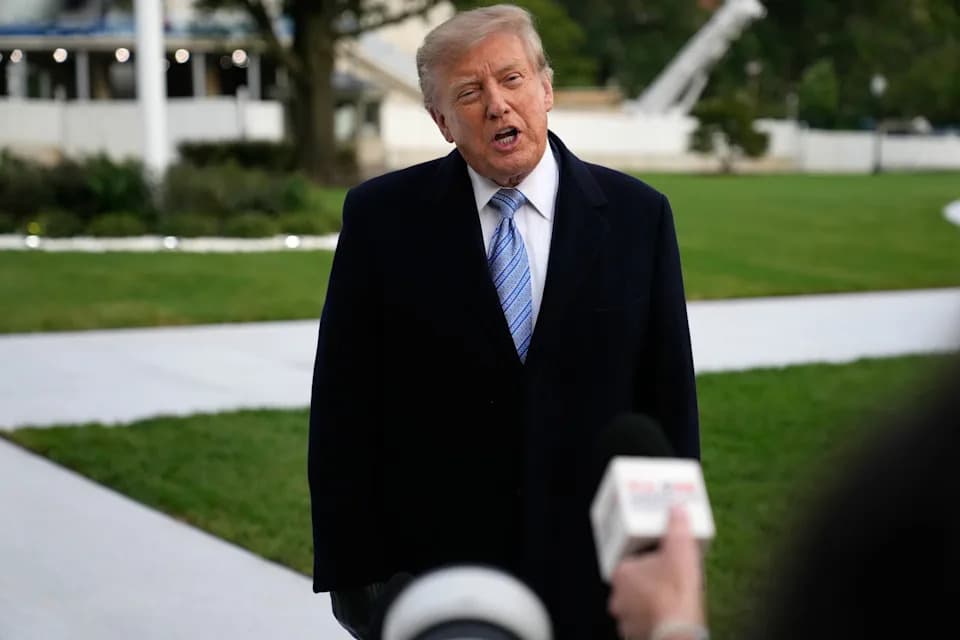
Mr. Trump said he was "under no pressure whatsoever" to make a deal with Iran and warned that if Tehran refuses U.S. terms it would "see problems like they've never seen before." The White House indicated a U.S. delegation — reportedly including Vice President JD Vance, special envoy Steve Witkoff and Jared Kushner — would travel to Pakistan for possible talks. Iranian officials and state-affiliated media, however, said Tehran had no plans to attend, citing the U.S. naval blockade and what they called excessive American demands.
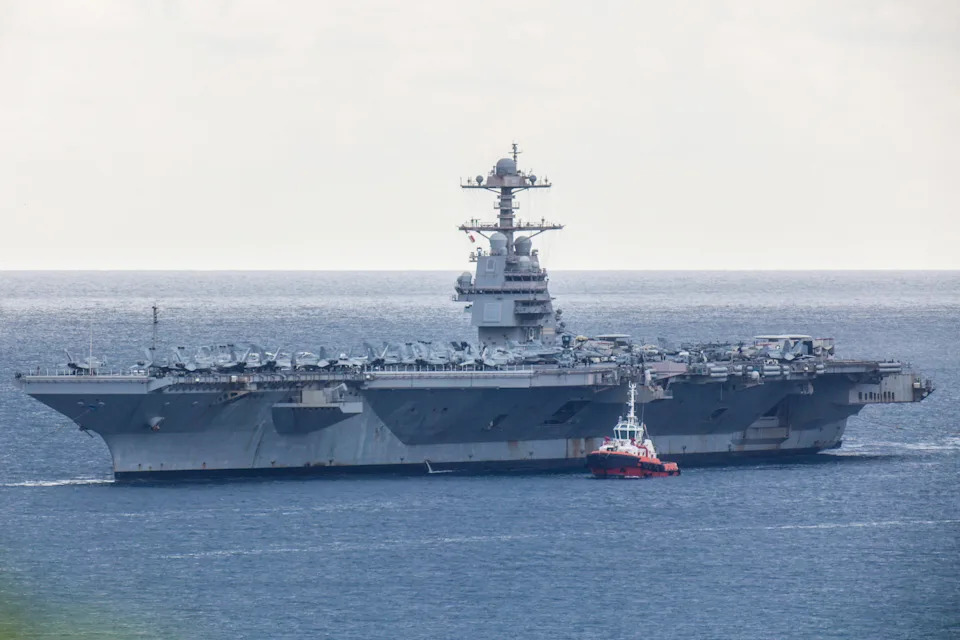
The USS Gerald R. Ford aircraft carrier arrives at the Souda Bay naval base on the island of Crete, Greece, March 23, 2026. / Credit: Reuters/Makis Kartsonakis
Military Incidents and Security
U.S. forces intercepted and seized the Iranian-flagged cargo ship Touska, which U.S. officials say ignored warnings and crossed the blockade line. Washington says the ship was subject to Treasury sanctions; Iran's military called the seizure a ceasefire violation. Separately, reports said a tanker was fired on by Iranian Revolutionary Guard gunboats and a container ship was struck by an unknown projectile.
Regional and International Responses
Reactions ranged from Nicaraguan President Daniel Ortega publicly calling Mr. Trump "mentally unstable" over the offensive, to the UAE announcing the arrest of an alleged Iran-linked cell. The EU hosted a Gaza peace conference in Brussels, and the U.S. will host a second round of ambassador-level Israel-Lebanon talks this week amid a fragile 10-day truce there.
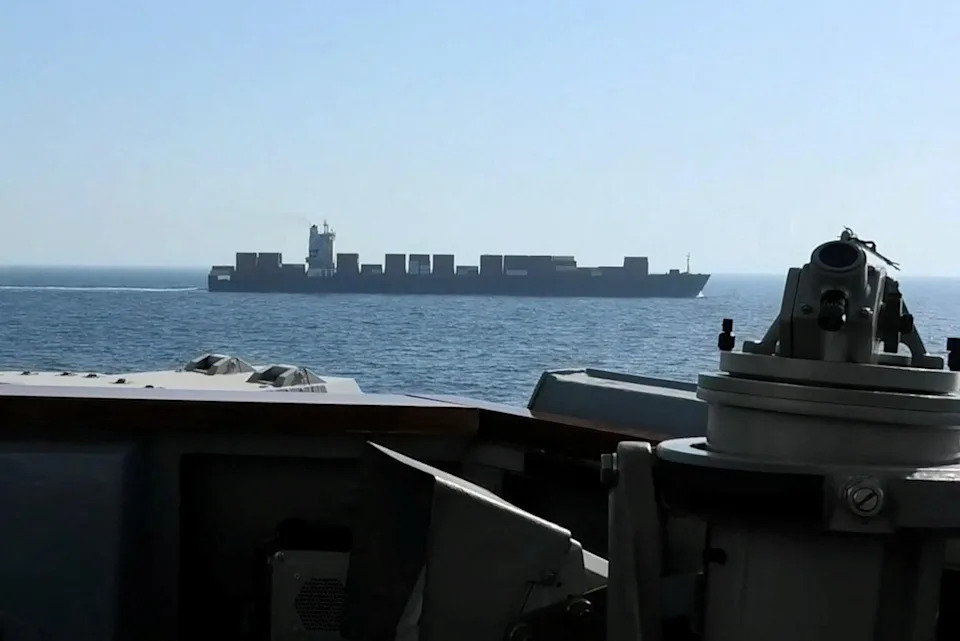
The Iranian-flagged cargo ship M/V Touska is seen from aboard the U.S. Navy Arleigh Burke-class Aegis guided missile destroyer USS Spruance, as it conducts an interception of the commercial vessel in a location given by the U.S. military as the north Arabian Sea, in a screengrab from video released by the U.S. Central Command, April 19, 2026. / Credit: CENTCOM/Handout
Human Cost and Rights Concerns
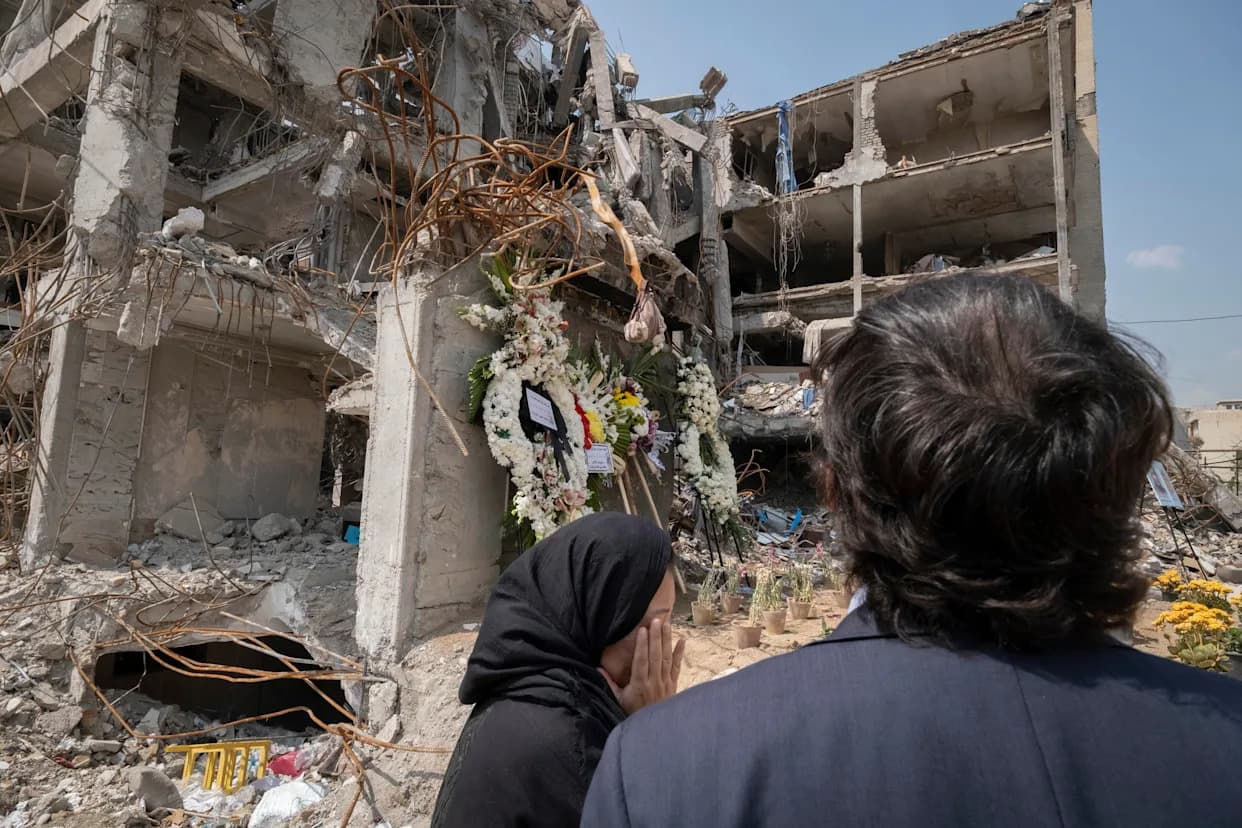
Iranian authorities reported at least 3,375 dead in the country since the strikes began, including 383 children, while Lebanese officials put deaths from Israeli strikes at 2,387 over six weeks. Iran executed two members of the banned Mujahedeen-e-Khalq (MEK), drawing condemnation from rights groups that say many executed detainees are political prisoners.
Military Posture
The U.S. is concentrating significant naval power in the region: the USS Gerald R. Ford recently transited the Suez Canal and joined other carrier strike groups, bringing U.S. carrier presence toward three in the theater within days. Iran's IRGC said it has replenished missile and drone stocks faster during the ceasefire than before the conflict.
Market Impact
Uncertainty over the Strait of Hormuz and the continuing blockade helped push Brent crude above $95 a barrel and U.S. benchmark crude toward the high $80s, while U.S. equities retraced some recent gains amid investor concern over disrupted Persian Gulf oil flows.
What's Next
With the two-week truce due to lapse this week, both sides continue public posturing: U.S. officials warn of renewed strikes if no deal is reached, while Iranian leaders insist they will not negotiate "under the shadow of threats." Diplomatic efforts in Islamabad, Washington and Brussels continue, but the path to a durable settlement remains uncertain.
Key quotes: "I am under no pressure whatsoever," President Trump said about making a deal. Iran's parliament speaker, Mohammad-Bagher Ghalibaf, said, "We do not accept negotiations under the shadow of threats."
Help us improve.